
C-Section Recovery
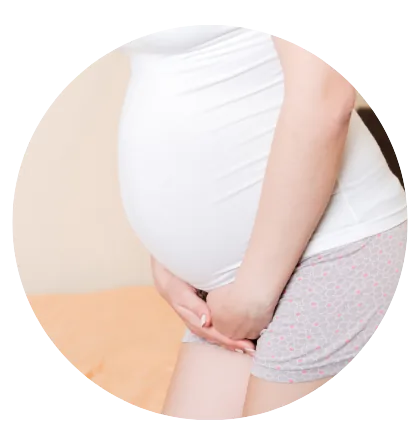
Urinary Incontinence in Pregnancy
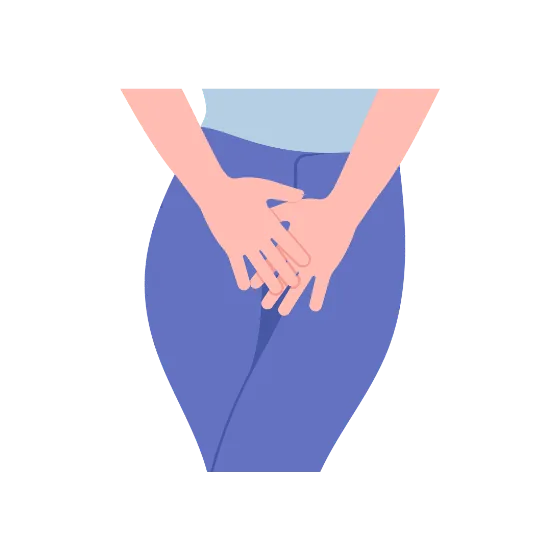
Some pregnant women leak urine, especially when they cough, sneeze, laugh or exercise. Others notice a sudden urge to urinate and leak before they can reach the toilet. The changes your body goes through during pregnancy affect the load on your pelvic floor and bladder. Although urinary incontinence is common in pregnancy, it doesn't mean you just have to put up with it. When leaking happens, how often it occurs and whether there are other symptoms are all important in the assessment.
Tuğçe Atalay
Urinary Incontinence in Pregnancy: Is Leaking When You Cough or Sneeze Normal?
What Causes Urinary Incontinence in Pregnancy?
During pregnancy, the uterus grows. As a result, the load on the bladder and pelvic floor increases. During this time, you may leak urine when you cough, sneeze or laugh; some people also experience sudden urgency and not making it to the toilet in time.
Types and Symptoms of Urinary Incontinence
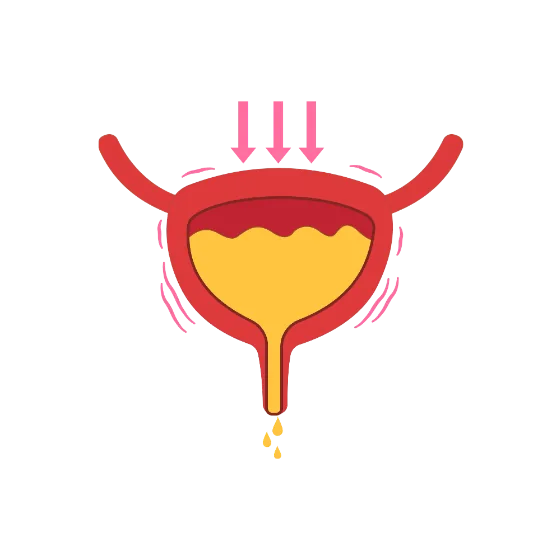
Leaking during coughing, sneezing or exercise is usually defined as stress urinary incontinence, while not making it to the toilet because of a sudden urge is called urge urinary incontinence. Both can also occur together.
Physiotherapy for Urinary Incontinence in Pregnancy
A pelvic floor physiotherapist assesses the strength of your muscles and their ability to contract and relax, then creates a personalized exercise plan. NICE recommends offering supervised pelvic floor muscle training to women with stress or mixed urinary incontinence during pregnancy.
Common and Treatable
A systematic review and meta-analysis combining 20 studies from Turkey reported an estimated prevalence of urinary incontinence in pregnancy of 35%.
"I leak a few drops of urine when I cough or sneeze."
"I suddenly need to go, and sometimes I can't make it in time."
"I never had this problem before I got pregnant; now it's started."
Urinary Incontinence in Pregnancy FAQ
Related Content

Author: Tuğçe Atalay, Specialist Physiotherapist
Last updated:
The information on this page is for general information only and does not replace diagnosis or treatment. Please consult your doctor and physiotherapist about your symptoms.
Latest Blog Posts
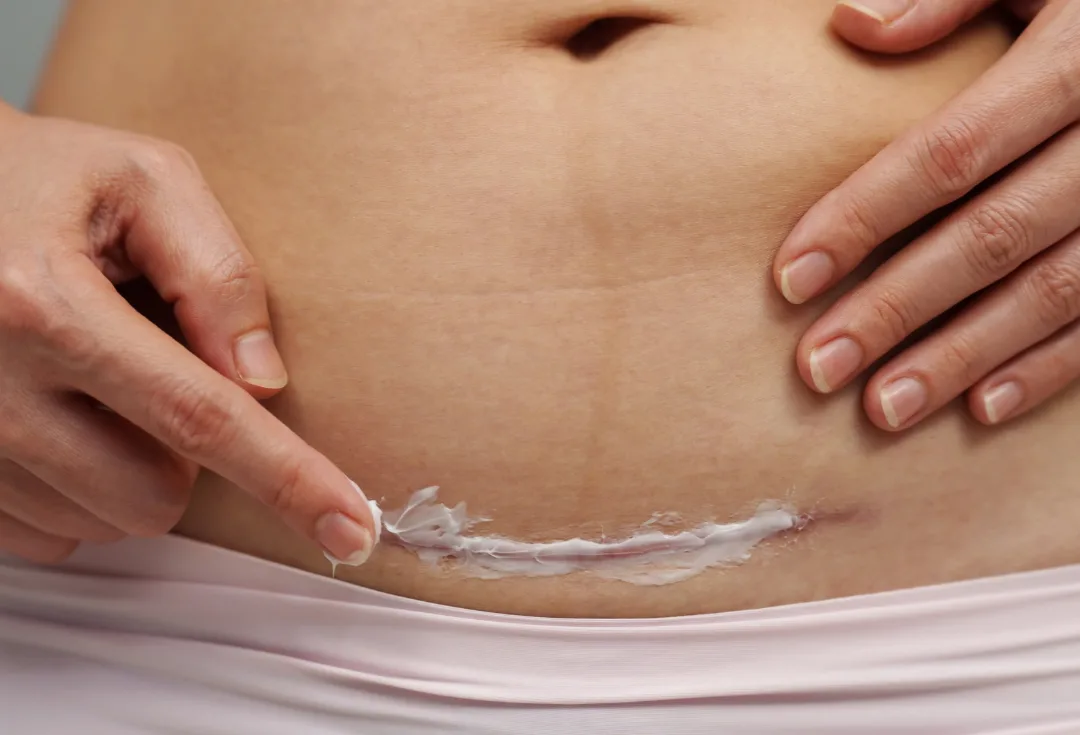
C-Section Recovery
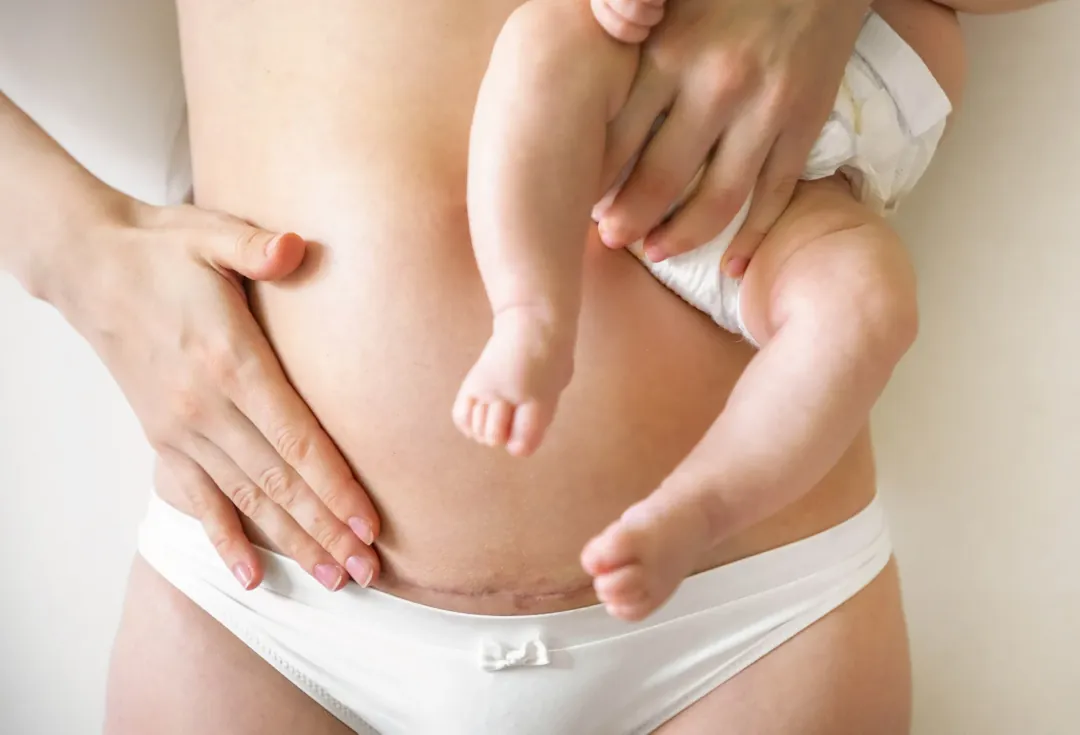
C-Section Recovery