
C-Section Recovery
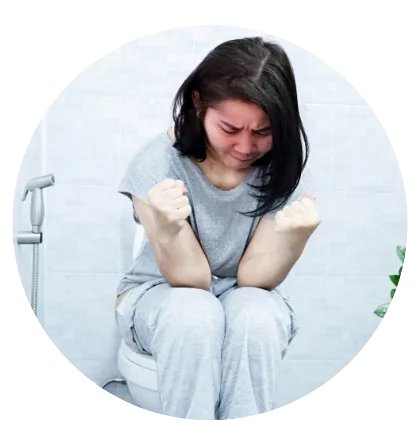
Postpartum Constipation
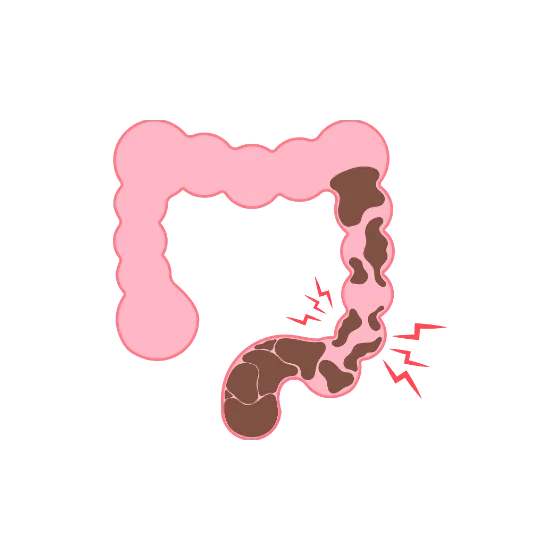
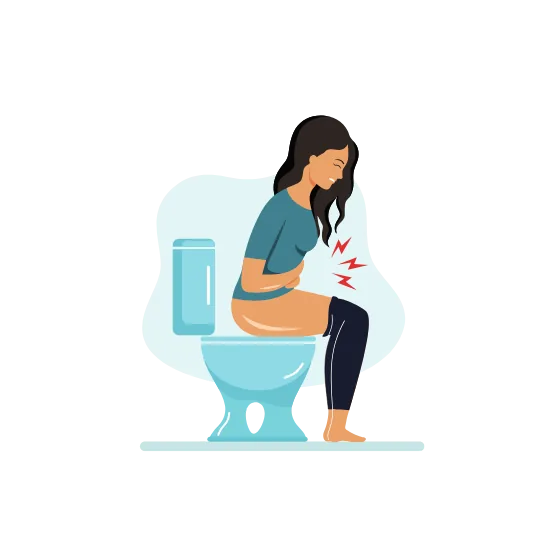
After birth, you may have difficulty passing stools, hard stools, or a feeling that your bowels haven't fully emptied. This can be linked to the changes of pregnancy and birth, as well as reduced movement, pain, sensitive stitches or anxiety about going to the bathroom. A physiotherapy assessment looks at your bowel habits, toilet posture, how you use your breath and whether your pelvic floor muscles can relax. That's because during a bowel movement, your pelvic floor muscles need not only to be strong but also to relax when needed and work in harmony with the pressure inside your abdomen. A personalized approach may include breathing and relaxation exercises, toilet posture and your everyday movement habits.
Tuğçe Atalay
Postpartum Constipation: Bowel Habits and the Role of the Pelvic Floor
Why Does Constipation Happen After Birth?
Your bowel pattern may change in the days after birth. Being less active, changes in diet and fluid intake, iron supplements, or putting off going to the bathroom because of postpartum pain and stitches can lead to constipation. Not having a bowel movement for a few days after birth can happen; however, if your symptoms continue, talk to your healthcare provider.
Straining and the Feeling of Incomplete Emptying
Hard stools, prolonged straining or a feeling that your bowels haven't fully emptied after using the toilet often go along with constipation. For some people, difficulty relaxing the pelvic floor muscles or coordinating them with the breath can make bowel movements harder. This is considered during the assessment, along with other possible causes of constipation.
How Does Physiotherapy Help with Postpartum Constipation?
A pelvic floor physiotherapist assesses how your breathing, abdominal and pelvic floor muscles work, your toilet habits and any straining during bowel movements. Depending on your needs, you learn the right toilet posture, how to use your breath and exercises to relax your pelvic floor.
Common and Treatable
An observational study of 403 women after birth reported a constipation rate of 52% in the early postpartum period.
"My stools are very hard and I have to strain for a long time to pass them."
"When I get up from the toilet, I feel like my bowels haven't fully emptied."
"I'm scared to go to the bathroom after giving birth; I think I'll damage my stitches."
Postpartum Constipation FAQ
Related Content

Author: Tuğçe Atalay, Specialist Physiotherapist
Last updated:
The information on this page is for general information only and does not replace diagnosis or treatment. Please consult your doctor and physiotherapist about your symptoms.
Latest Blog Posts
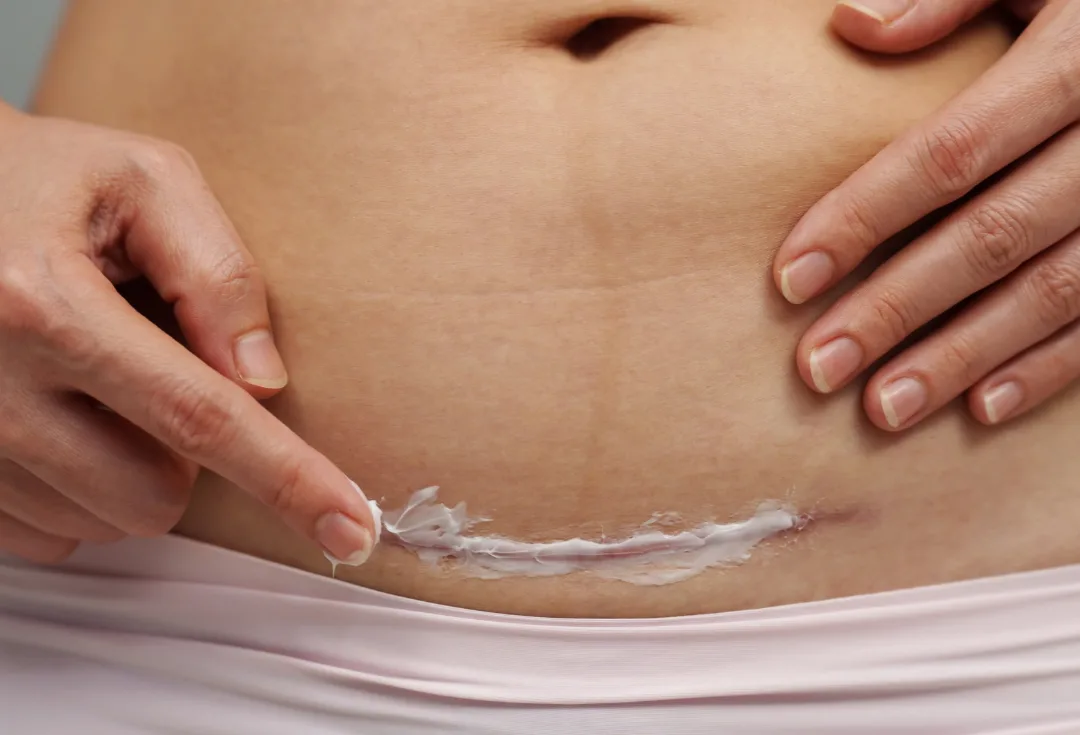
C-Section Recovery
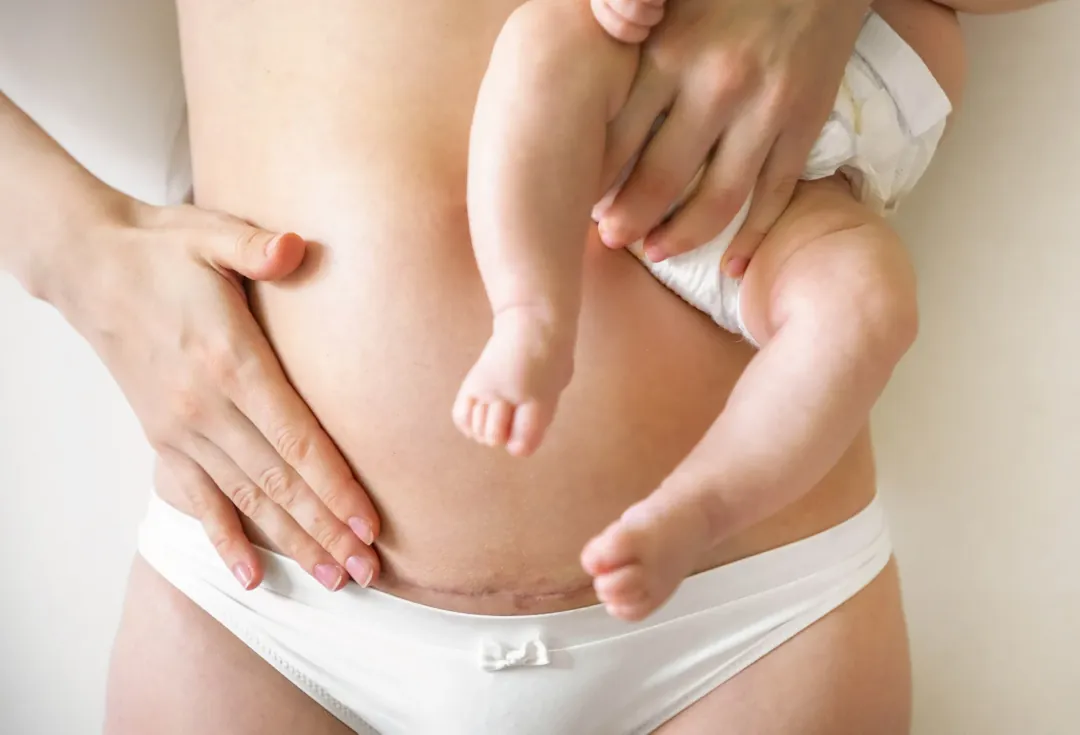
C-Section Recovery