
C-Section Recovery
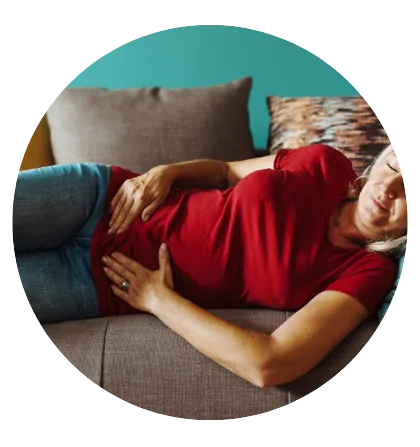
Pelvic Girdle Pain in Pregnancy
Pelvic pain in pregnancy may be felt at the front of the pelvis, in the groin, or at the back around the hips. It may get worse when you walk, climb stairs, turn over in bed or stand on one leg. The changing load on your body and the way you move during pregnancy affect the muscles and joints of the pelvic region. Where the pain is, which movements make it worse and how it affects your daily life are all important in the assessment. If your symptoms are noticeable or getting worse, you can get an assessment that is right for you.
Tuğçe Atalay
What Causes Pelvic Pain in Pregnancy? Pain in the Groin and Around the Pelvis
What Causes Pelvic Pain in Pregnancy?
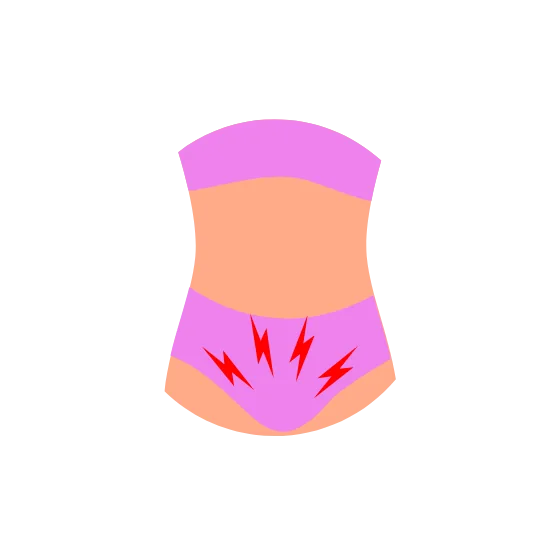
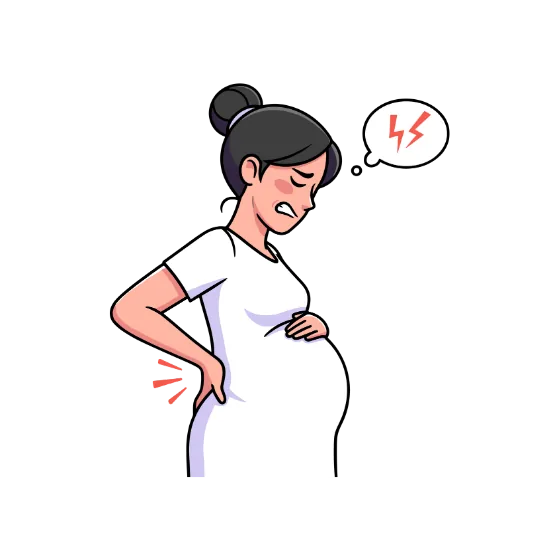
Pelvic pain in pregnancy is felt at the front of the pelvis, in the groin, in the hips or in the lower back. Pain that gets worse when walking, climbing stairs or turning over in bed may be linked to pregnancy-related pelvic girdle pain.
What Does Pelvic Girdle Pain Feel Like?
The pain may be on one side or in different areas of the pelvis; spreading your legs, standing on one leg and walking for a long time can make it worse. Symptoms vary from person to person and can make everyday movements difficult.
Physiotherapy for Pelvic Pain in Pregnancy
A physiotherapy assessment looks at which movements make the pain worse and how it affects your daily life. Your plan may include individual movement adjustments, exercises and advice to support the pelvic region.
Common and Treatable
A 2023 review reported that pelvic girdle pain affects approximately 20% of pregnant women.
"When I walk, I get pain in my groin and at the front of my pelvis."
"When I stand for a long time, my lower back and hips hurt."
"I feel an ache deep in my hip when I turn over in bed."
Pelvic Girdle Pain in Pregnancy FAQ
Related Content

Author: Tuğçe Atalay, Specialist Physiotherapist
Last updated:
The information on this page is for general information only and does not replace diagnosis or treatment. Please consult your doctor and physiotherapist about your symptoms.
Latest Blog Posts
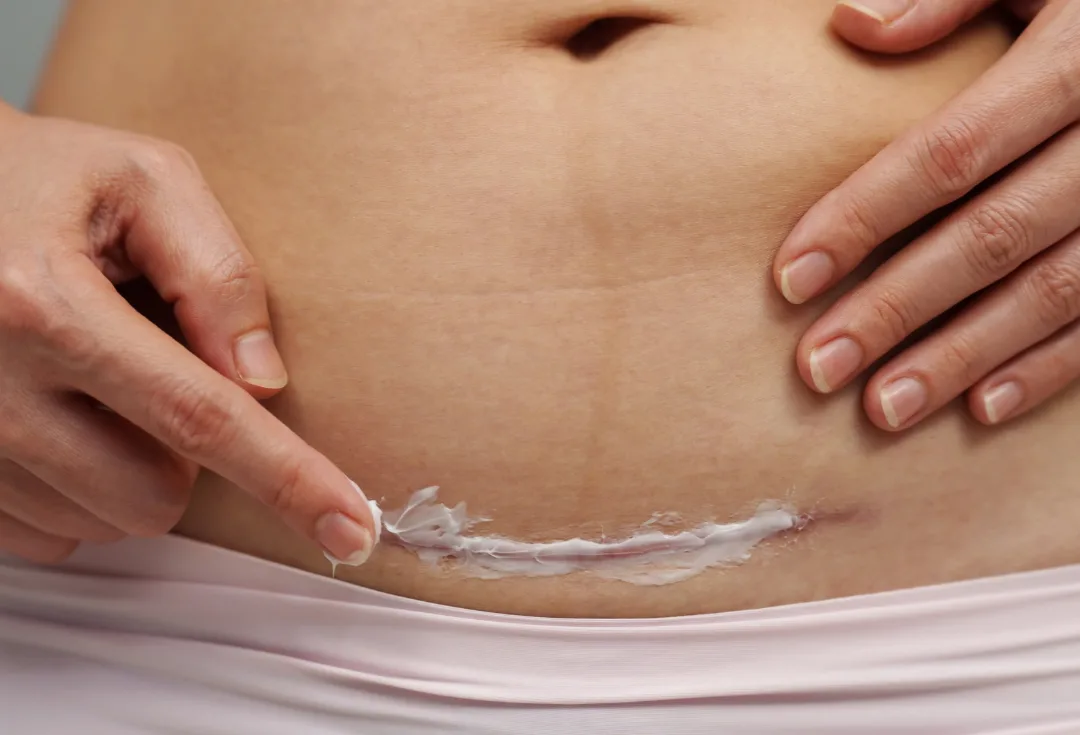
C-Section Recovery
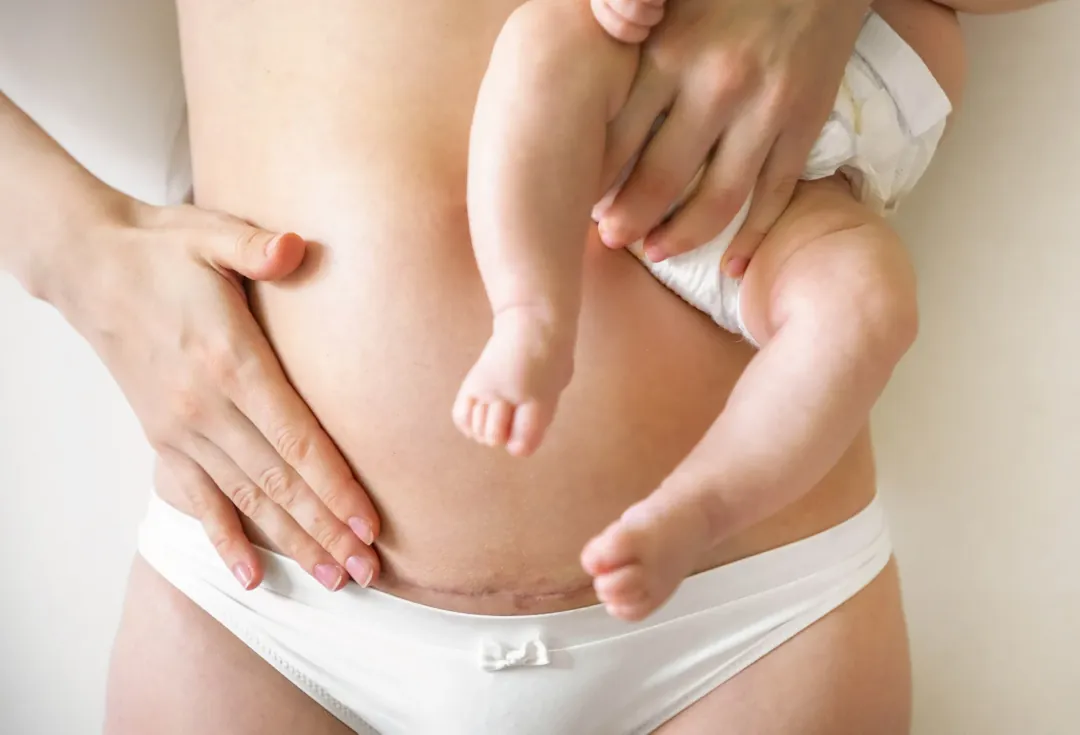
C-Section Recovery