

C-Section Recovery
Episiotomy and Perineal Rehabilitation
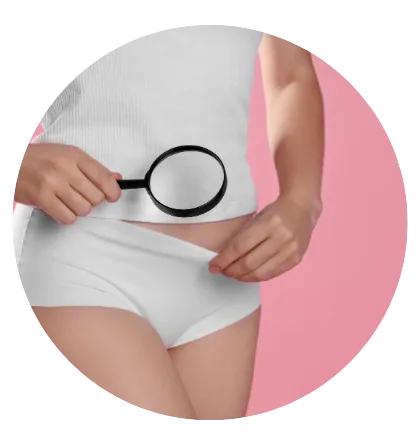
An episiotomy is a surgical cut made in the perineum during vaginal birth, and healing varies from person to person. During recovery you may feel pain, tenderness or a pulling sensation when sitting, walking or using the toilet. A physiotherapy assessment looks at how your symptoms affect daily life, how you breathe, and how well your pelvic floor muscles can contract and relax. Once the wound has fully healed, tissue mobility and the scar itself are also assessed. Rehabilitation includes comfortable positions, breathing and relaxation work, pelvic floor coordination and a gradual return to daily activities.
Tuğçe Atalay
Perineal Rehabilitation After Episiotomy: Pain, Healing and Physiotherapy
What Does the Physiotherapy Assessment Cover?
We start by talking about the injury that occurred during birth, how healing is going and which activities are difficult for you. The physiotherapist assesses your symptoms during movements such as sitting, walking and getting out of bed, as well as your breathing and your pelvic floor muscles’ ability to contract and relax.
Caring for the Perineal Scar and Tissue Sensitivity
Once the wound has fully healed, the perineal scar is assessed for sensitivity to touch, how it moves with the surrounding tissue and the tension it creates during daily activities. Depending on the findings, gentle touch, sensory awareness work or movement around the scar may be planned.
Pelvic Floor Recovery and Returning to Daily Activities
Rehabilitation is not only about strengthening muscles; being able to relax the pelvic floor when needed and use it correctly during movement matters just as much. Depending on your needs, the work focuses on breathing coordination, muscle awareness, adapting everyday movements and a gradual return to exercise. If you had a third- or fourth-degree tear, physiotherapy can be planned in coordination with your postpartum care team.
Common and Treatable
A review of 19 studies including about 1,900 women with an episiotomy or birth-related perineal injury reported that some supportive treatments may help signs of healing appear earlier.
"When I sit, I feel stinging and pulling at my stitches."
"My perineal scar hurts during sex."
"The wound has healed, but the area around the scar is still tender."
Episiotomy and Perineal Rehabilitation FAQ

Author: Tuğçe Atalay, Specialist Physiotherapist
Last updated:
The information on this page is for general information only and does not replace diagnosis or treatment. Please consult your doctor and physiotherapist about your symptoms.
Latest Blog Posts
C-Section Recovery
C-Section Recovery