
C-Section Recovery
Birth Preparation Classes
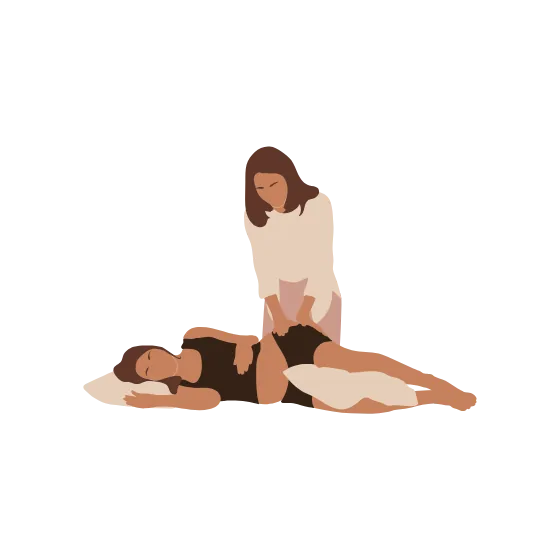
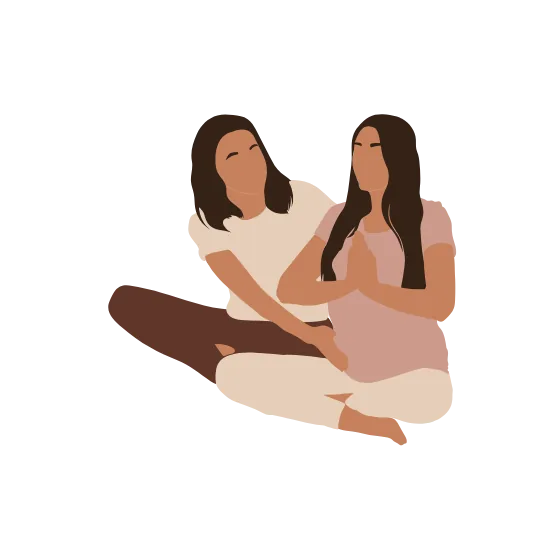
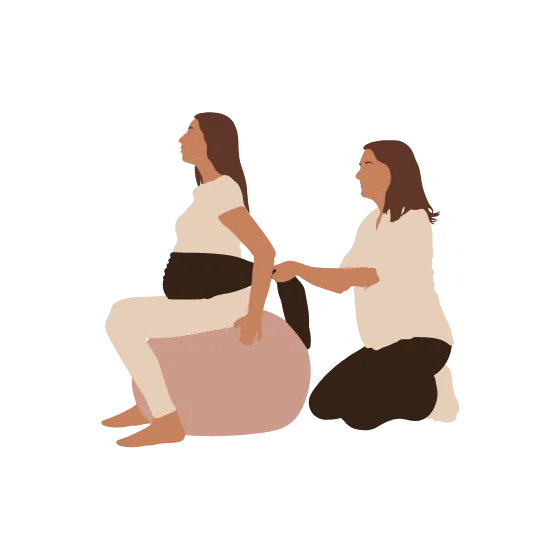
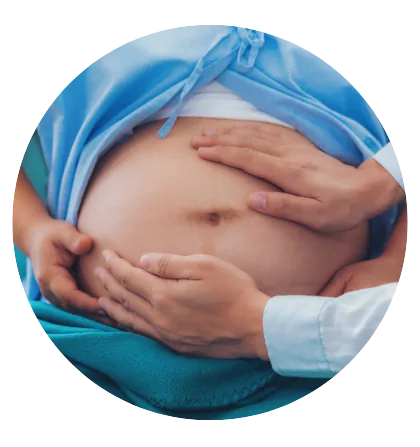
Birth preparation classes help you understand the birth process and learn how you can support your body through it. From a physiotherapist's perspective, the classes focus on how breathing relates to movement, on relaxation, on changing positions, and on your pelvic floor's ability to contract and let go. Moving and trying different positions during contractions can help you feel more comfortable. Breathing and pelvic floor coordination during the pushing stage are also part of the class. The content is tailored to your week of pregnancy, your needs and your healthcare team's recommendations.
Tuğçe Atalay
Birth Preparation Classes: Getting to Know Birth Through Breath, Movement and the Pelvic Floor
Body Awareness and Mind-Body Connection
In these classes, you practice noticing how your body responds to breathing, tension and relaxation. Through body awareness exercises, you learn to observe what you feel during birth and to move according to your needs.
Breath, Movement and the Pelvic Floor
We work on how your breath, your movement and your pelvic floor muscles coordinate with one another. By trying different positions and practicing contracting and relaxing your pelvic floor, you discover the options that feel comfortable for you.
Physical Preparation for Labor and Birth
Beyond sharing information about birth, the classes make room for hands-on, physical experience. With breathing, relaxation and movement exercises, you get to practice in advance the skills you can use during labor. The World Health Organization also supports the use of methods such as breathing, relaxation and movement during labor, according to the woman's preference.
Common and Treatable
A 2025 study found that people who attended antenatal education had a lower fear of childbirth.
"I want to better understand what will happen in my body during birth."
"I want to try out which birth positions might feel comfortable for me."
"I don't know how to relax my pelvic floor muscles."
Birth Preparation Classes FAQ
Related Content

Author: Tuğçe Atalay, Specialist Physiotherapist
Last updated:
The information on this page is for general information only and does not replace diagnosis or treatment. Please consult your doctor and physiotherapist about your symptoms.
Latest Blog Posts
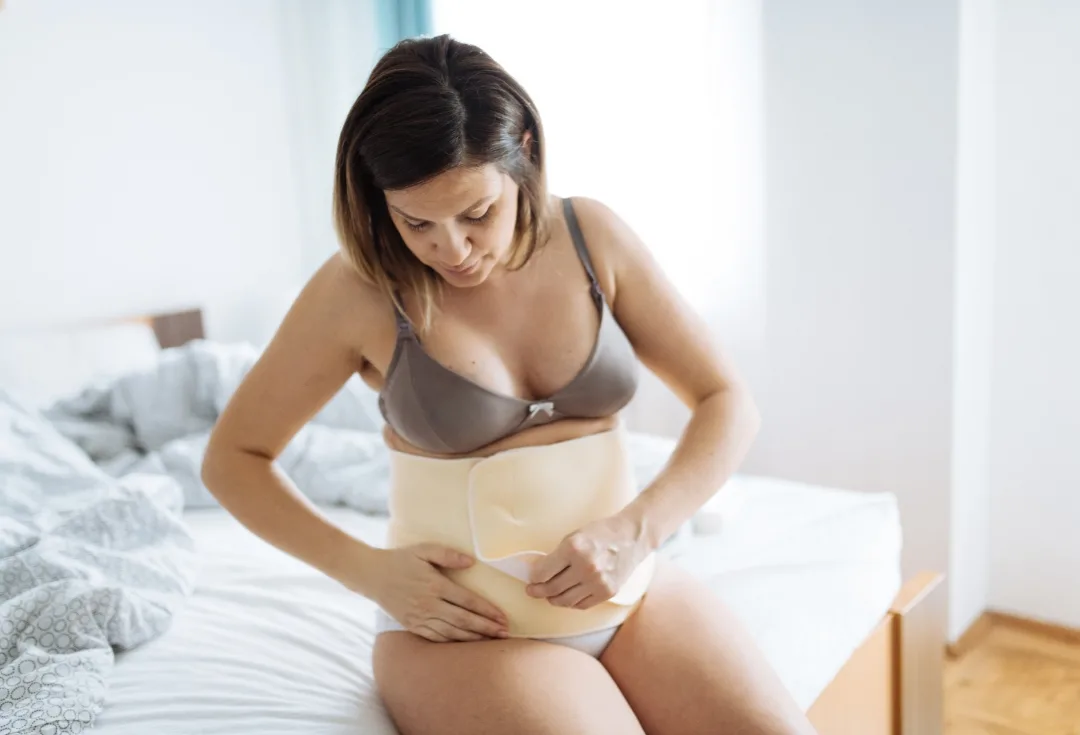
C-Section Recovery
C-Section Recovery