

C-Section Recovery
Diastasis Recti (Abdominal Separation)
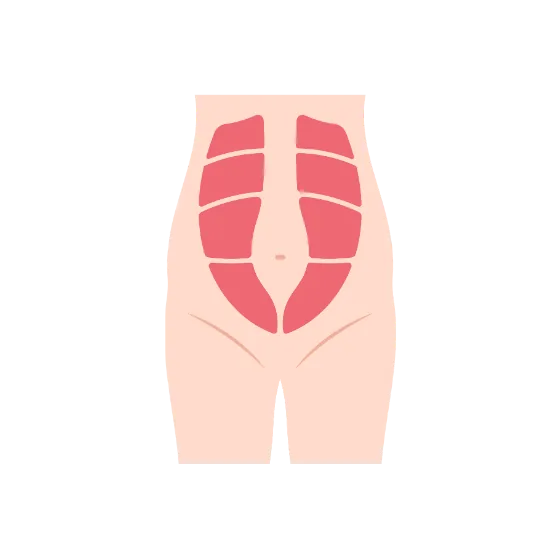
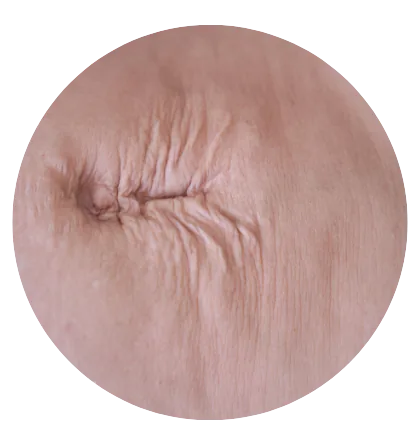
Diastasis recti occurs when the abdominal muscles move apart along the midline and the connective tissue between them widens. After birth, you may notice it as doming along the middle of your belly, a feeling of weakness in your core, or difficulty with certain movements. However, it isn't right to judge how well someone functions just by looking at the belly or measuring the width of the gap between the muscles. A physiotherapy assessment considers the tension and function of the abdominal wall together with breathing, trunk control and everyday movement. The exercise plan aims to gradually strengthen the abdominal muscles according to your needs and to manage pressure during movement. Because the same exercise program may not suit everyone, a personalized roadmap is created after the assessment.
Tuğçe Atalay
Diastasis Recti After Birth (Abdominal Separation): Assessment and Physiotherapy
Changes in the Abdominal Wall After Pregnancy
As the belly grows during pregnancy, the connective tissue in the middle of the abdominal muscles stretches and the distance between the muscles increases. This change may persist for a while after birth. Noticing a bulge along the midline of your belly does not by itself mean you have diastasis recti; an assessment is always needed.
How Can Midline Doming Affect Everyday Movement?
You may see doming along the middle of your belly when getting out of bed, bending forward or lifting your baby. Some people feel weakness in the abdominal area or have trouble with control during movement; others have no noticeable symptoms. The type of symptoms and their effect on daily life vary from person to person.
Physiotherapy Assessment for Diastasis Recti
A physiotherapy assessment considers the strength and movement of the abdominal wall together with breathing, trunk control and daily activities. Exercises are planned gradually based on your symptoms and goals. The aim is not only to reduce the distance between the muscles but to improve the function of the abdominal wall and your control during movement. Physiotherapy is one of the approaches that can be considered before surgical options.
Common and Treatable
In a study following 300 first-time pregnant women, a gap between the abdominal muscles was found in about 60 of every 100 women at 6 weeks after birth and in 33 at 1 year.
"When I get out of bed, a ridge appears in the middle of my belly."
"I find it hard to control my belly when I lift my baby."
"I noticed a gap between my abdominal muscles; I don't know which movements I can do."
Diastasis Recti (Abdominal Separation) FAQ

Author: Tuğçe Atalay, Specialist Physiotherapist
Last updated:
The information on this page is for general information only and does not replace diagnosis or treatment. Please consult your doctor and physiotherapist about your symptoms.
Latest Blog Posts
C-Section Recovery
C-Section Recovery