
C-Section Recovery
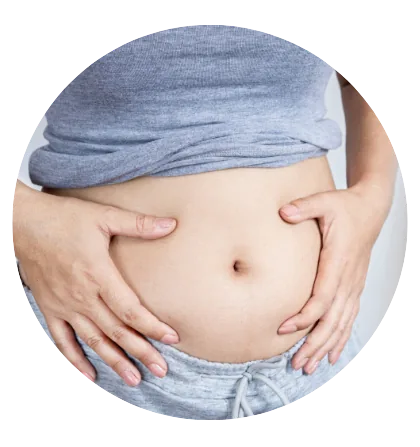
Constipation in Pregnancy
Constipation in pregnancy may show up as fewer bowel movements, hard stools or straining on the toilet. Hormonal changes during pregnancy can slow down bowel movements. Your diet, how much you move during the day and taking iron supplements are also among the factors that can affect your bowel habits. In some people, constipation comes with bloating, abdominal discomfort or a feeling of incomplete emptying. These symptoms don't look the same in every pregnancy and can vary from person to person.
Tuğçe Atalay
What Causes Constipation in Pregnancy? Symptoms and Changes in Bowel Habits
What Causes Constipation in Pregnancy?
Hormonal changes in pregnancy can slow down bowel movements. Iron supplements, changes in your diet and moving less during the day can also lead to constipation.
What Are the Symptoms of Constipation?
Infrequent bowel movements, hard stools, straining and a feeling of not fully emptying your bowels can occur with constipation. These symptoms may lead you to spend a long time on the toilet or to strain during bowel movements.
Physiotherapy Support for Constipation in Pregnancy
A physiotherapy assessment looks at how your breathing, abdominal muscles and pelvic floor muscles work together during bowel movements. Depending on your needs, we work on toilet positioning, relaxation and habits for emptying your bowels without straining.
Common and Treatable
A meta-analysis published in 2024 combining 13 studies calculated the global prevalence of constipation in pregnancy at 32.4%.
"Since I got pregnant, I go to the bathroom less often."
"Even after I go, I feel like my bowels haven't fully emptied."
"I spend a long time on the toilet but can't go easily."
Constipation in Pregnancy FAQ
Related Content

Author: Tuğçe Atalay, Specialist Physiotherapist
Last updated:
The information on this page is for general information only and does not replace diagnosis or treatment. Please consult your doctor and physiotherapist about your symptoms.
Latest Blog Posts
C-Section Recovery
C-Section Recovery