

C-Section Recovery
Tailbone Pain in Pregnancy
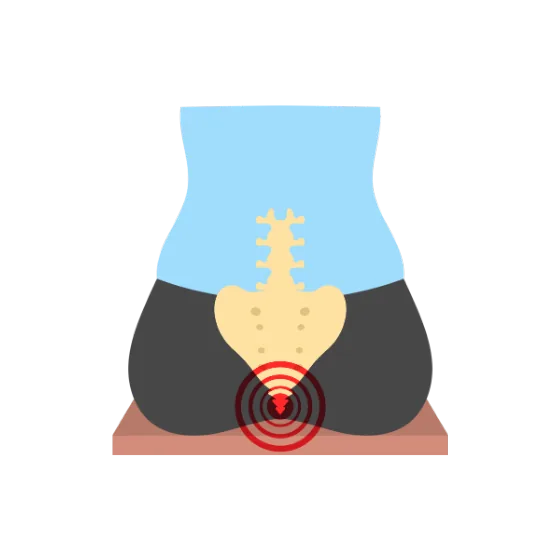
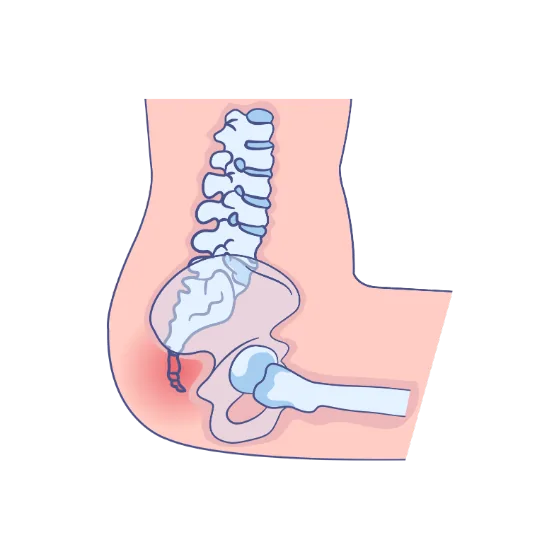
Tailbone pain in pregnancy is felt especially when sitting or when standing up after sitting. As your belly grows, changes in your posture and the way you move affect the load on this area. The pain may get worse with prolonged sitting, and the tailbone may feel tender when pressed. If the pain affects your daily movements or sleep, you can get it assessed.
Tuğçe Atalay
What Causes Tailbone Pain in Pregnancy?
Why Does Tailbone Pain Happen in Pregnancy?
Changes in posture and increased load during pregnancy can cause pressure and tenderness around the tailbone (coccyx). The attachment of the pelvic floor muscles to the tailbone, a previous tailbone injury or prolonged sitting can also affect the pain.
Symptoms of Tailbone Pain
The pain usually becomes noticeable when sitting, getting up from a seated position or bending forward. Some people also notice increased tenderness when using the toilet, especially during bowel movements.
Physiotherapy for Tailbone Pain in Pregnancy
A physiotherapy assessment looks at the movements that make the pain worse, how you sit and how your pelvic floor muscles function. Your plan may include individual posture and movement advice, soothing exercises and appropriate manual therapy techniques.
Common and Treatable
In a study conducted in Turkey, tailbone pain was found in 39 (33%) of 118 third-trimester participants with pelvic girdle pain.
"When I sit, I feel a stabbing pain and pressure in my tailbone."
"My tailbone hurts when I have a bowel movement."
"As my pregnancy has progressed, sitting has become harder for me."
Tailbone Pain in Pregnancy FAQ

Author: Tuğçe Atalay, Specialist Physiotherapist
Last updated:
The information on this page is for general information only and does not replace diagnosis or treatment. Please consult your doctor and physiotherapist about your symptoms.
Latest Blog Posts
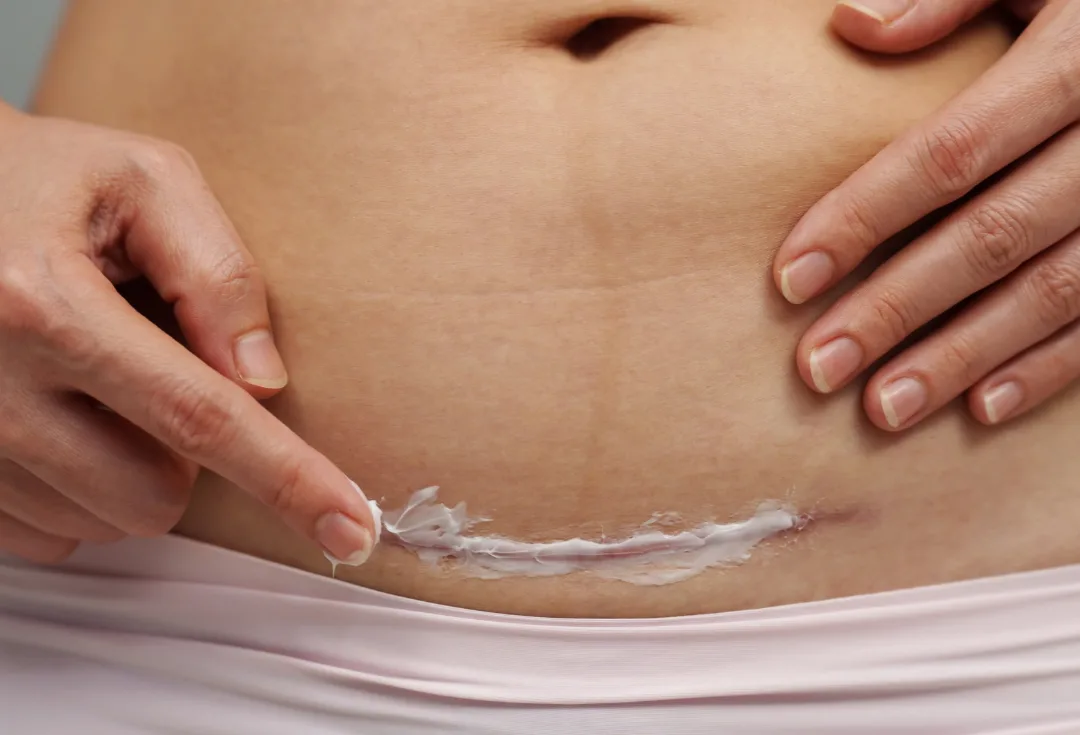
C-Section Recovery
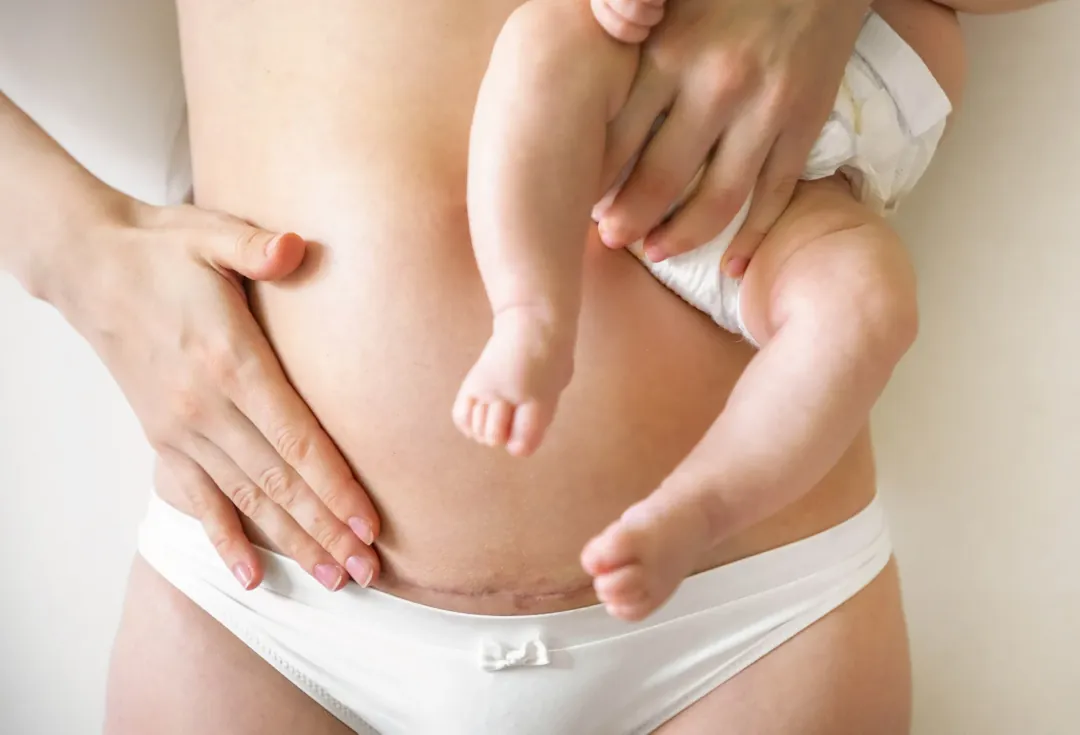
C-Section Recovery