
C-Section Recovery
Returning to Exercise After Birth
There is no one-size-fits-all timeline for returning to exercise after birth. The type of birth, how healing is going and your symptoms are all considered together. In the early weeks, once you feel ready and your healthcare team sees no reason not to, you can start with light walks and gentle movement. The length and intensity of exercise are then increased gradually according to how your body responds. A physiotherapy assessment looks at abdominal wall and pelvic floor function, breathing, pain, and symptoms such as urinary or fecal leakage and a feeling of vaginal pressure. If you have a C-section incision or a perineal injury, how it is healing also shapes your exercise plan.
Tuğçe Atalay
Returning to Exercise After Birth: A Safe, Gradual Start
Physiotherapy Assessment Before Returning to Exercise
The assessment covers your birth history, pain, bleeding, incision or perineal healing and any difficulties with daily activities. The physiotherapist assesses your breathing, abdominal wall and pelvic floor muscle function together during walking and basic strength movements. This way, your exercise plan is based on your current capacity, not just the calendar.
Progressing Gradually From Daily Movement to Strength Training
At first, short walks and comfortable everyday movements may be preferred. After that, exercises that build trunk, hip and leg strength are progressed based on your control and symptoms during exercise. If pain, urinary leakage or pelvic pressure becomes noticeable after exercise, the load and choice of movements are reviewed.
Preparing for Running and High-Impact Exercise
Running, jumping and high-intensity training require more strength and impact tolerance. In the physiotherapy assessment, your return is planned with functional skills such as walking, standing on one leg, balance and strength in mind. If you had a C-section or a birth complication, you should talk to your doctor before increasing the intensity of exercise. NICE recommends returning to activities when you feel fully recovered and have no pain or physical limitations.
Common and Treatable
The 2025 Canadian guideline recommends gradually building up exercise in the first year after birth to a total of 120 minutes—about 2 hours—per week; this is not a starting goal but a target to work toward according to each person and their symptoms.
"I want to get back to working out after birth, but I don’t know which exercise to start with."
"After exercise, I feel heaviness and pressure in my vagina."
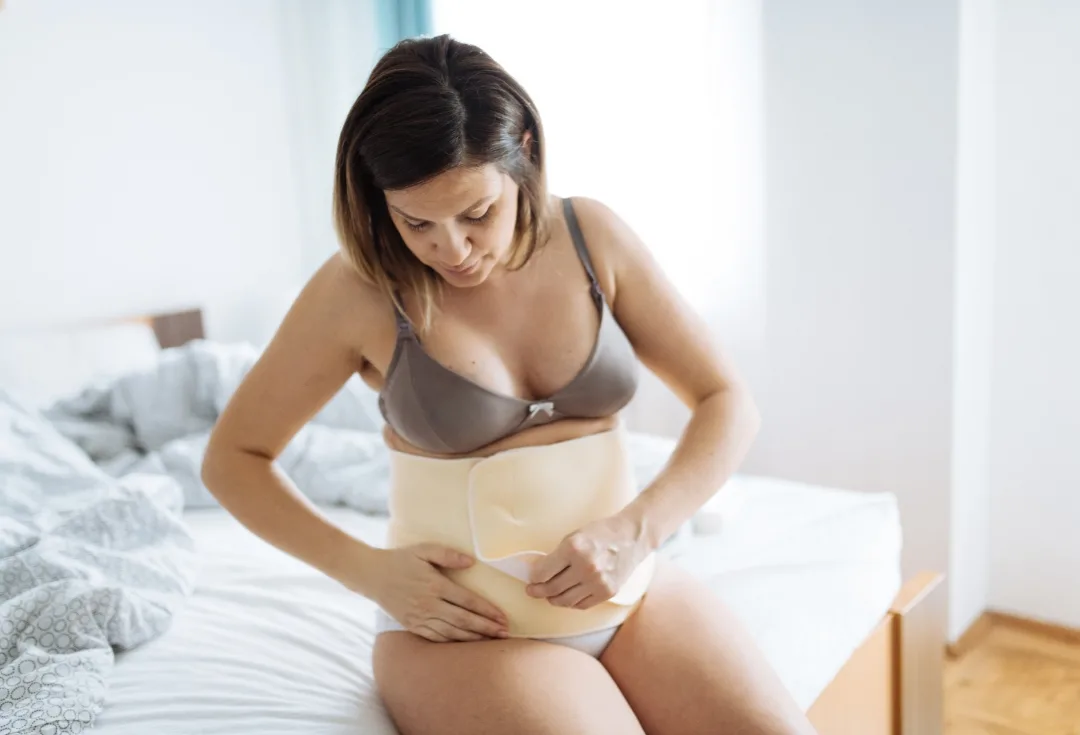
"After my C-section, I feel pulling at my incision when I move."
Returning to Exercise After Birth FAQ

Author: Tuğçe Atalay, Specialist Physiotherapist
Last updated:
The information on this page is for general information only and does not replace diagnosis or treatment. Please consult your doctor and physiotherapist about your symptoms.
Latest Blog Posts
C-Section Recovery
C-Section Recovery