
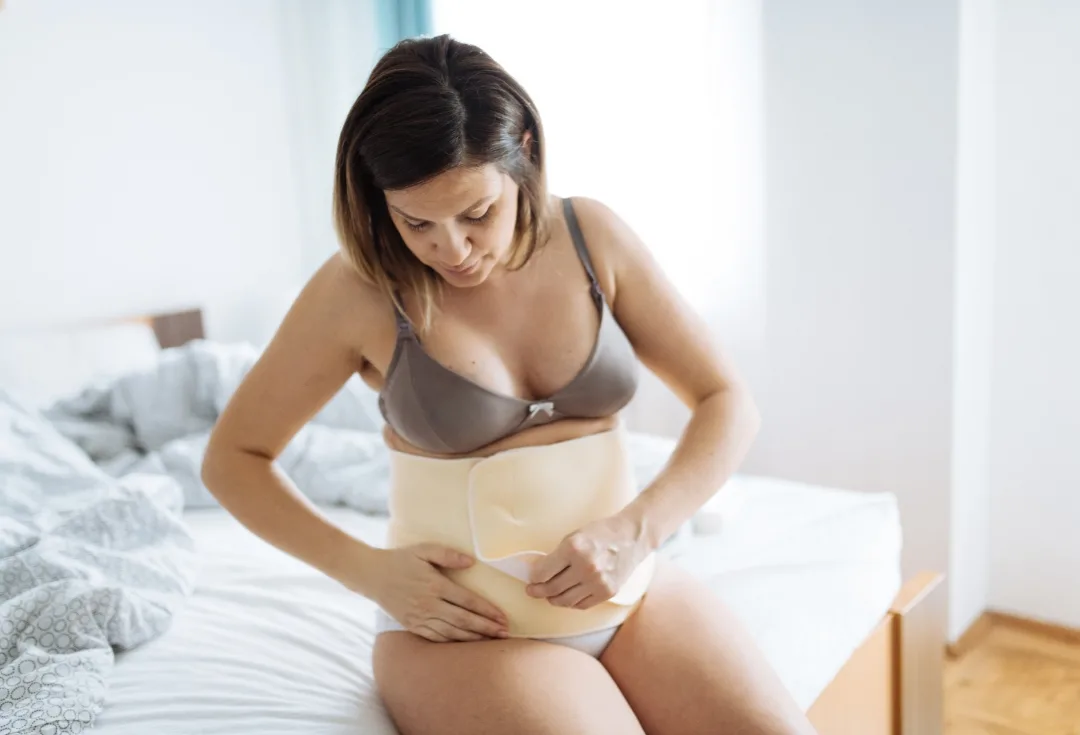
C-Section Recovery
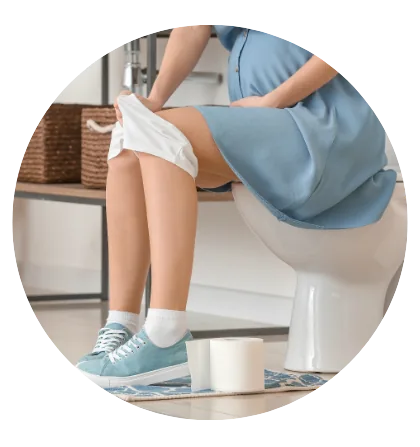
Hemorrhoids in Pregnancy
Hemorrhoids in pregnancy occur when the veins around the anus become swollen. Constipation and straining on the toilet increase pressure in this area and make symptoms more noticeable. You may feel swelling, itching, tenderness or pain around the anus. Some people also notice bleeding during bowel movements. Because these symptoms can also have causes other than hemorrhoids, it is important to talk to your doctor, especially if there is bleeding.
Common and Treatable
In a study that followed 280 people throughout pregnancy and the first month after birth, 40.7% of participants were diagnosed with hemorrhoids.
"I get pain and burning around my anus when I go to the bathroom."
"I feel itching and swelling around my anus."
"I strain a lot on the toilet, and afterwards I'm in pain."
Hemorrhoids in Pregnancy FAQ
Related Content

Author: Tuğçe Atalay, Specialist Physiotherapist
Last updated:
The information on this page is for general information only and does not replace diagnosis or treatment. Please consult your doctor and physiotherapist about your symptoms.
Latest Blog Posts
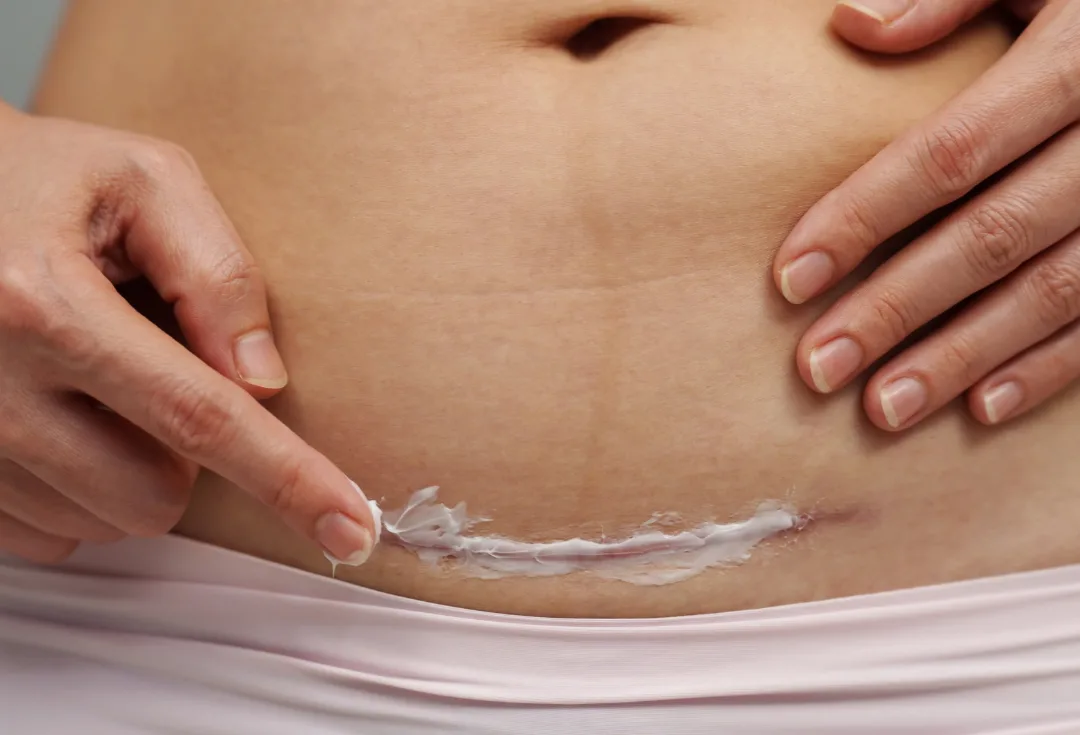
C-Section Recovery
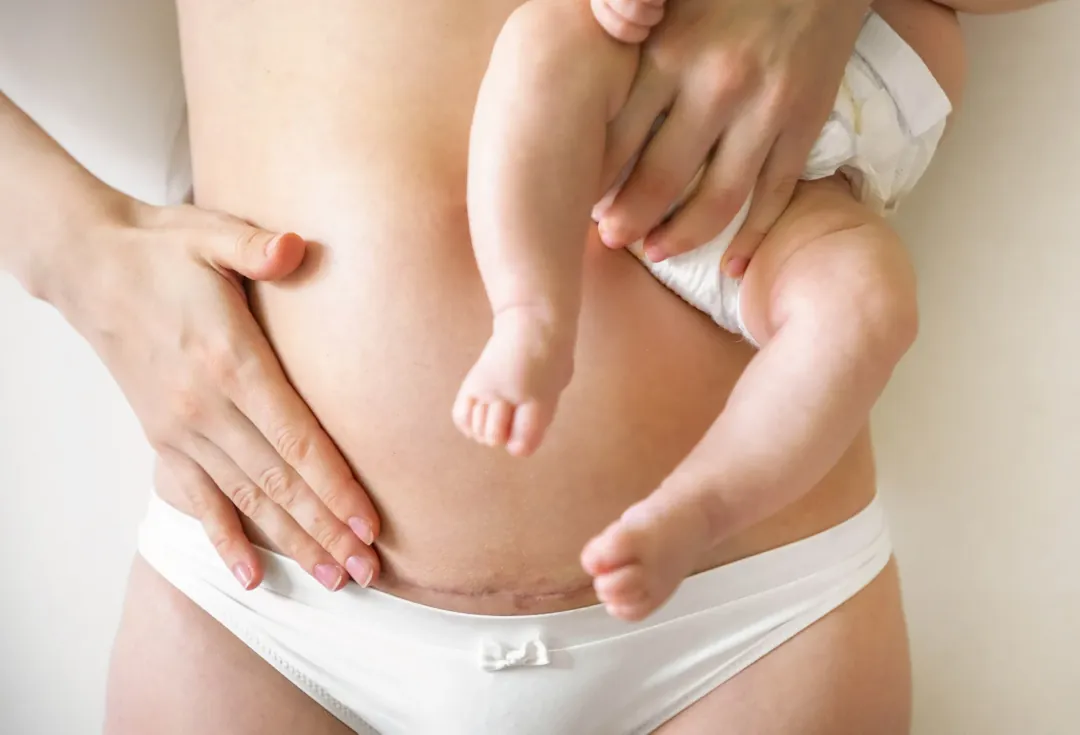
C-Section Recovery