
C-Section Recovery
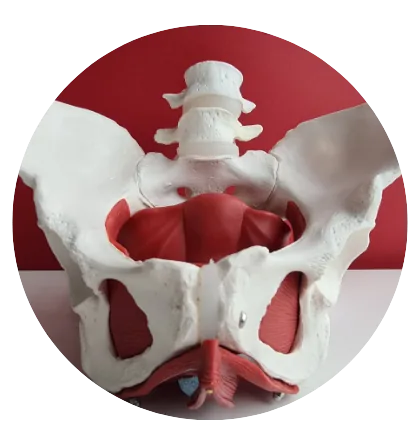
Pelvic Floor Assessment Before Pregnancy
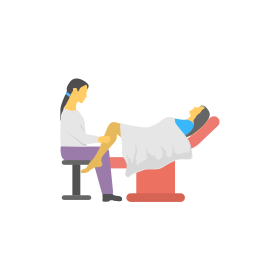
A pelvic floor assessment before pregnancy helps you understand any current symptoms and how you use your body. It is especially useful if you have urinary incontinence, constipation, pelvic pain or pain during sex, or if you have been treated for these issues before. The consultation covers your bladder and bowel habits, pain history, daily activities and exercise background. The physiotherapist assesses how your breathing, abdominal wall and pelvic floor muscles contract, relax and coordinate, according to your needs. Based on the findings, a personalized preparation plan is created covering exercise, relaxation, breathing and daily habits.
Tuğçe Atalay
Pelvic Floor Assessment Before Pregnancy: Get to Know Your Body and Prepare
Your Symptoms and Pre-Pregnancy Health History
In the first consultation, we talk about your bladder and bowel habits, pelvic pain, sexual function, previous surgeries and activities you find difficult in daily life. This information determines which areas the assessment should focus on. NICE also recommends that a pelvic floor assessment covers urinary, bowel, prolapse, sexual function and chronic pelvic pain history.
How Your Muscles Contract, Relax and Coordinate
It is not only the strength of the pelvic floor muscles that is assessed, but also their ability to relax when needed and to work in harmony with your breathing. The contribution of the abdominal wall and hip muscles during movement is also taken into account.
Your Personalized Physiotherapy Plan
Based on the assessment findings, pelvic floor exercises, relaxation and body awareness work, breathing coordination or manual therapy approaches are planned. For example, the program for someone who struggles to contract their muscles is not the same as for someone who has difficulty relaxing them. NICE recommends that pelvic floor muscle training with a physiotherapist be tailored to the person’s ability to contract and relax, their symptoms and their goals.
Pelvic Floor Assessment Before Pregnancy FAQ
Related Content

Author: Tuğçe Atalay, Specialist Physiotherapist
Last updated:
The information on this page is for general information only and does not replace diagnosis or treatment. Please consult your doctor and physiotherapist about your symptoms.
Latest Blog Posts

C-Section Recovery

C-Section Recovery