
C-Section Recovery
Pelvic Organ Prolapse After Birth
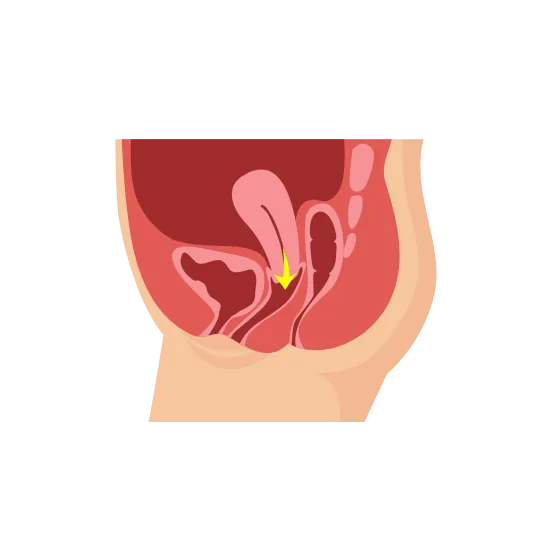
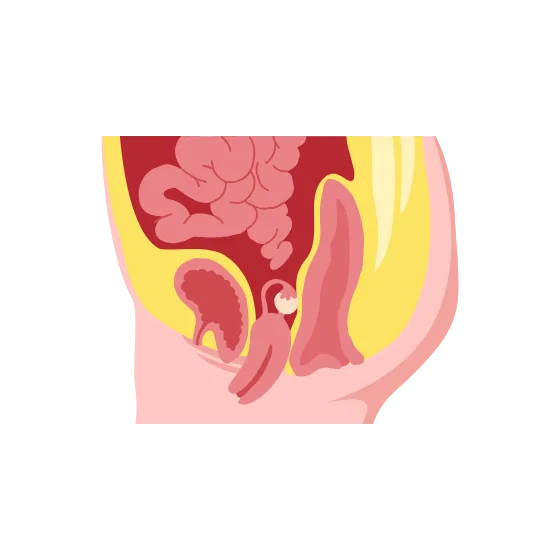
Pelvic organ prolapse occurs when organs such as the bladder, uterus or bowel shift down toward the vagina. After birth, you may notice a feeling of fullness or downward pressure in the vagina, or a bulge you can feel. These symptoms may change over the course of the day, after standing for a long time or with physical activity. A physiotherapy assessment looks at your symptoms, your birth history and how they relate to your daily activities, and examines the strength, relaxation and coordination of your breathing, abdominal wall and pelvic floor muscles. Depending on your symptoms and goals, the physiotherapy plan includes pelvic floor training, pressure management, biofeedback and a gradual return to daily activities.
Tuğçe Atalay
Pelvic Organ Prolapse After Birth: Symptoms and Physiotherapy Assessment
Pressure and a Dragging Sensation in the Pelvis After Birth
In pelvic organ prolapse, the bladder, uterus or bowel may lose support and descend toward the vagina. After birth, you may notice fullness or pressure in the vagina, a dragging-down sensation, or a bulge you can feel at the vaginal opening.
How Can Prolapse Symptoms After Birth Affect Daily Life?
For some people, the feeling of pressure increases after standing for long periods or later in the day. Changes may also occur when urinating, emptying the bowels or during sex. Symptom severity varies from person to person; the type or degree of prolapse cannot be determined from sensations alone.
Assessment and Support with Pelvic Floor Physiotherapy
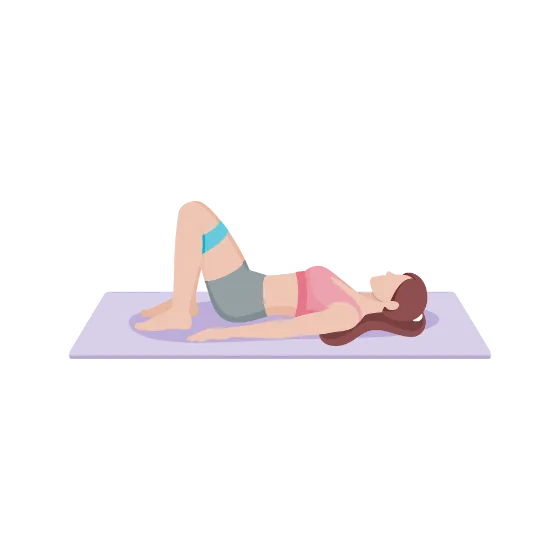
A physiotherapy assessment looks at your symptoms, your birth history, and the contraction, relaxation and endurance of your pelvic floor muscles. Based on the findings, exercises, breathing work and adjustments to daily activities are planned. NICE recommends considering supervised pelvic floor muscle training for women with symptoms.
Common and Treatable
In a study following 300 first-time pregnant women, pelvic organ prolapse detected on examination at different follow-up points was found in 0 to 10 of every 100 women.
"At the end of the day, I feel a downward pressure in my vagina."
"I noticed a bulge I can feel at the vaginal opening."
"Since giving birth, the way I empty my bladder or bowels has changed."
Pelvic Organ Prolapse After Birth FAQ

Author: Tuğçe Atalay, Specialist Physiotherapist
Last updated:
The information on this page is for general information only and does not replace diagnosis or treatment. Please consult your doctor and physiotherapist about your symptoms.
Latest Blog Posts
C-Section Recovery
C-Section Recovery