
C-Section Recovery
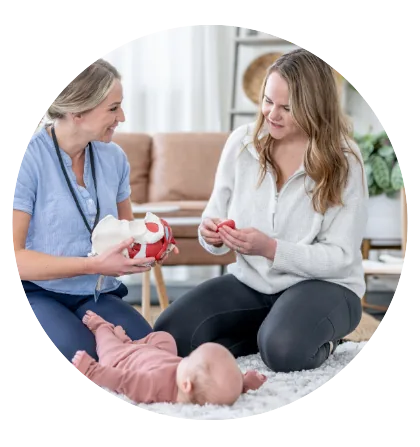
Postpartum Pelvic Floor Rehabilitation
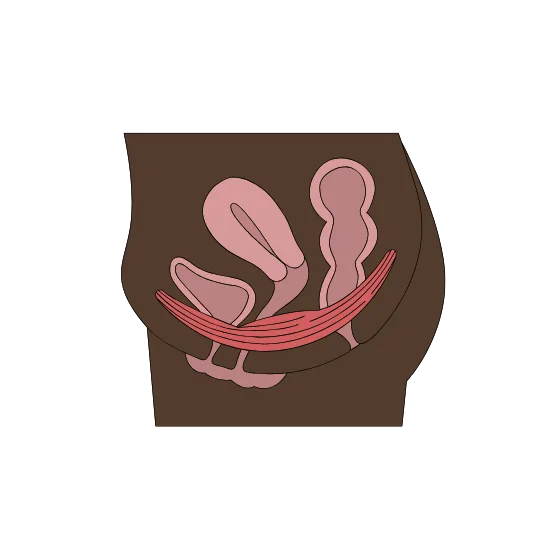
A postpartum pelvic floor assessment is a physiotherapy evaluation designed to understand how your body is functioning after birth and what you need. In the appointment, we talk about your birth and recovery, as well as your bladder and bowel habits, any pain or feeling of pressure, and the situations you find difficult in daily life. The physiotherapist assesses your breathing, your abdominal wall, the way you move, and your ability to sense, contract and relax your pelvic floor muscles. Pelvic floor health is not only about muscle strength; being able to relax and having the muscles work at the right moment matter too. Your physiotherapy plan is based on your findings and goals; not every new mother receives the same exercise program.
Tuğçe Atalay
Postpartum Pelvic Floor Assessment and Physiotherapy
Postpartum Pelvic Floor Assessment
The assessment covers how you gave birth, your recovery and any symptoms such as bladder or bowel problems, pain or a feeling of vaginal pressure. Breathing and the function of your abdominal and pelvic floor muscles are also addressed according to your needs.
Your Personalized Physiotherapy Plan
Your physiotherapy plan is built around the needs identified in the assessment. It may include exercises to contract and relax your pelvic floor muscles, EMG biofeedback, breathing and movement coordination, or suggestions for adapting daily activities.
Returning to Daily Life and Exercise
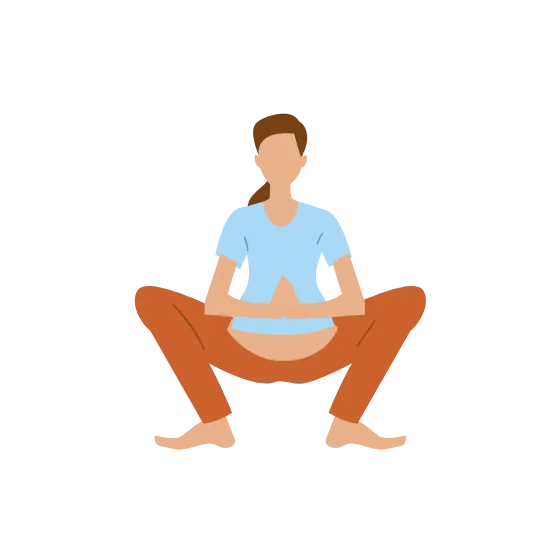
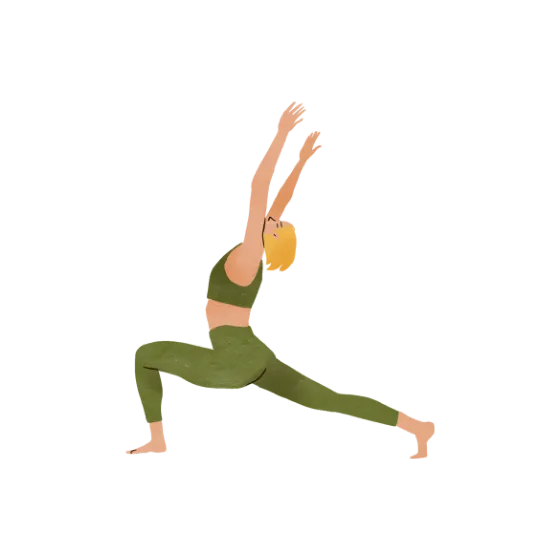
Together we look at your everyday needs, such as lifting your baby, standing for long periods or getting back to exercise. The goal is to plan movement options and exercises step by step, in line with your recovery.
Common and Treatable
A study of the first year after birth reported that, across seven randomized controlled trials with 1,930 participants, pelvic floor muscle training reduced the likelihood of urinary incontinence by 37% compared with control groups.
"Since giving birth, I leak urine when I cough."
"I feel a downward pressure or heaviness in my vagina."
"I have pain during sex since giving birth."
Postpartum Pelvic Floor Rehabilitation FAQ

Author: Tuğçe Atalay, Specialist Physiotherapist
Last updated:
The information on this page is for general information only and does not replace diagnosis or treatment. Please consult your doctor and physiotherapist about your symptoms.
Latest Blog Posts
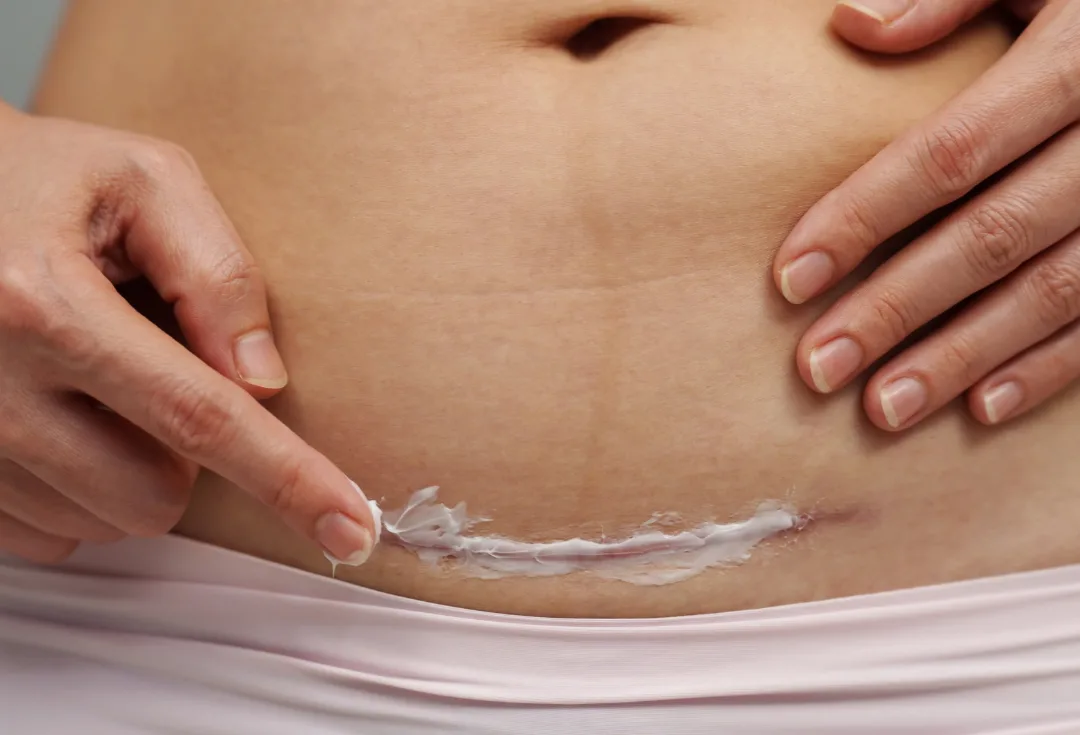
C-Section Recovery
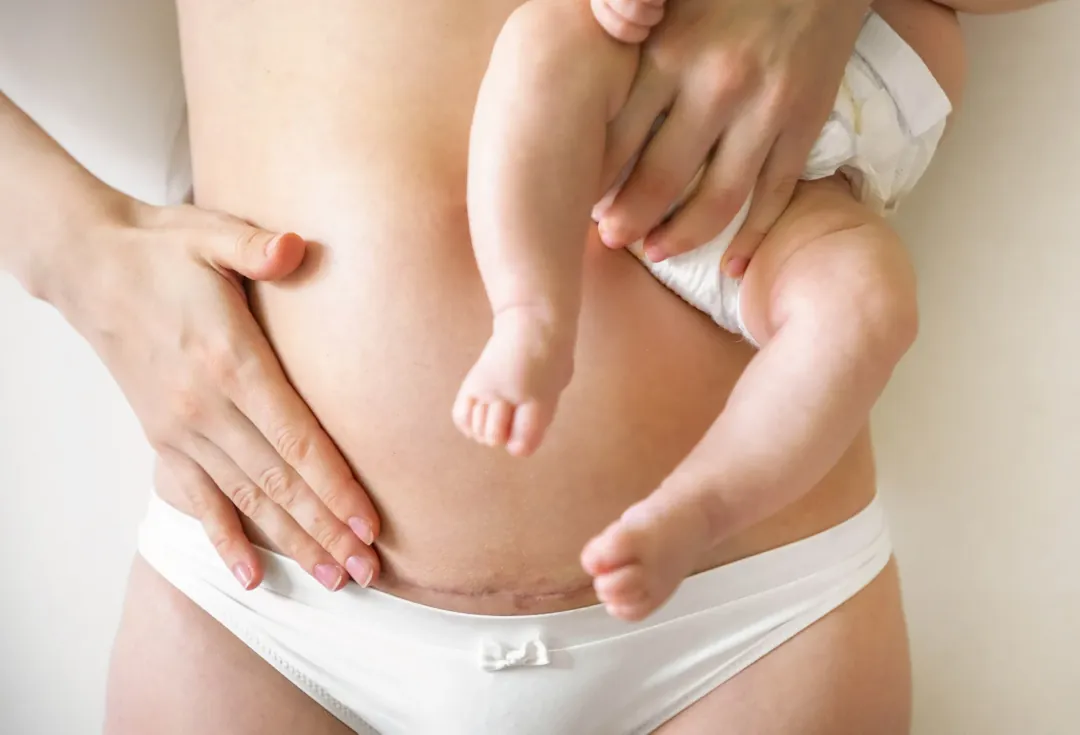
C-Section Recovery