
C-Section Recovery
Back and Hip Pain in Pregnancy
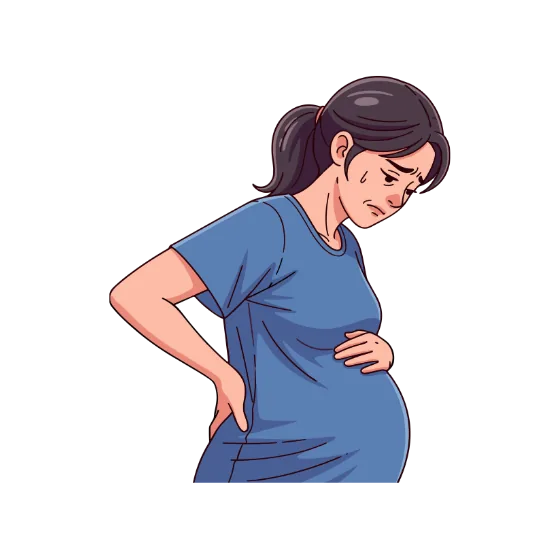
Lower back and hip pain is very common during pregnancy. As your belly grows, your body's weight distribution and the way you move change, which affects the load on the tissues around your lower back and pelvis. But the pain can't always be explained by weight gain alone. Previous back pain, daily activities and other individual factors can also play a role. You may feel the pain in your lower back, on one or both sides of your hips, or at the front of your pelvis. It may become more noticeable when you walk, climb stairs or turn over in bed. If your symptoms affect your daily life, it is important to understand the cause and find the approach that is right for you.
Tuğçe Atalay
Back and Hip Pain in Pregnancy: Why Does It Happen and What Does It Feel Like?
What Causes Back and Hip Pain in Pregnancy?
During pregnancy, pain around the lower back and hips may get worse when you walk, climb stairs, turn over in bed or stand on one leg. Sometimes the pain is also felt in the groin, the back of the hip or the thighs.
What Is Assessed During a Physiotherapy Evaluation?
Your physiotherapist finds out which movements trigger the pain and how it affects your daily life. Your hip and back movements, muscle function and movement habits are assessed, and a plan suited to you is prepared.
Physiotherapy for Back and Hip Pain in Pregnancy
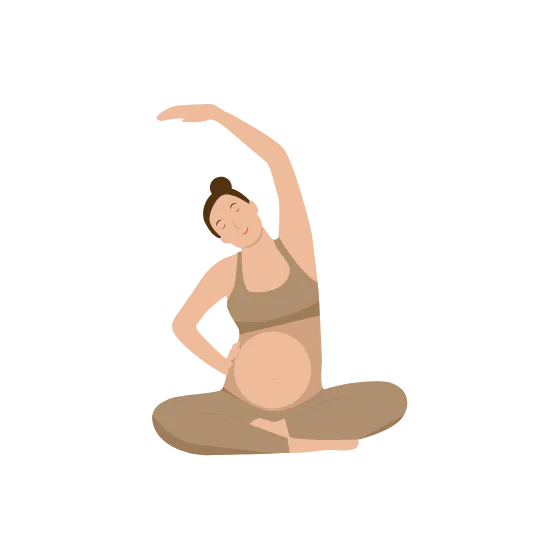
Physiotherapy aims to ease pain, make movement easier and help you carry on with daily activities more comfortably. Your plan includes personalized exercises, advice on adapting movement, and pregnancy-safe manual therapy techniques.
Common and Treatable
The prevalence of pain involving the lower back and pelvic region during pregnancy is 63%.
"When I walk, I get pain running from my lower back to my hip."
"My lower back gets really tired when I stand for a long time."
"I can't sleep comfortably because of the pain."
Back and Hip Pain in Pregnancy FAQ

Author: Tuğçe Atalay, Specialist Physiotherapist
Last updated:
The information on this page is for general information only and does not replace diagnosis or treatment. Please consult your doctor and physiotherapist about your symptoms.
Latest Blog Posts
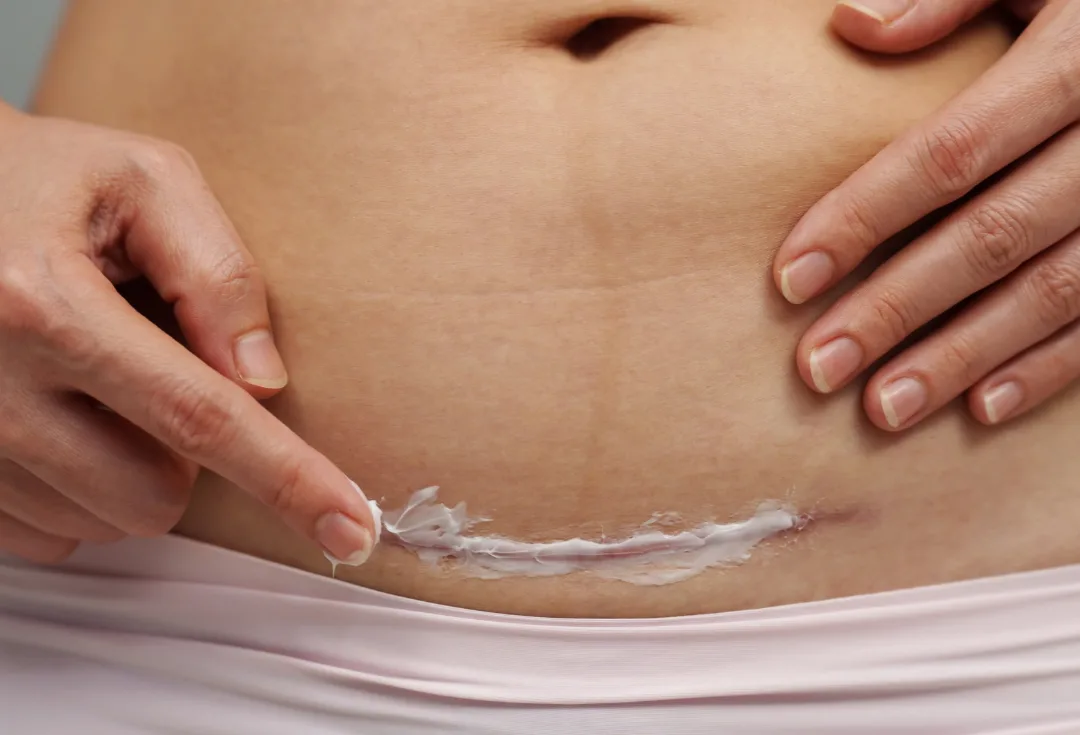
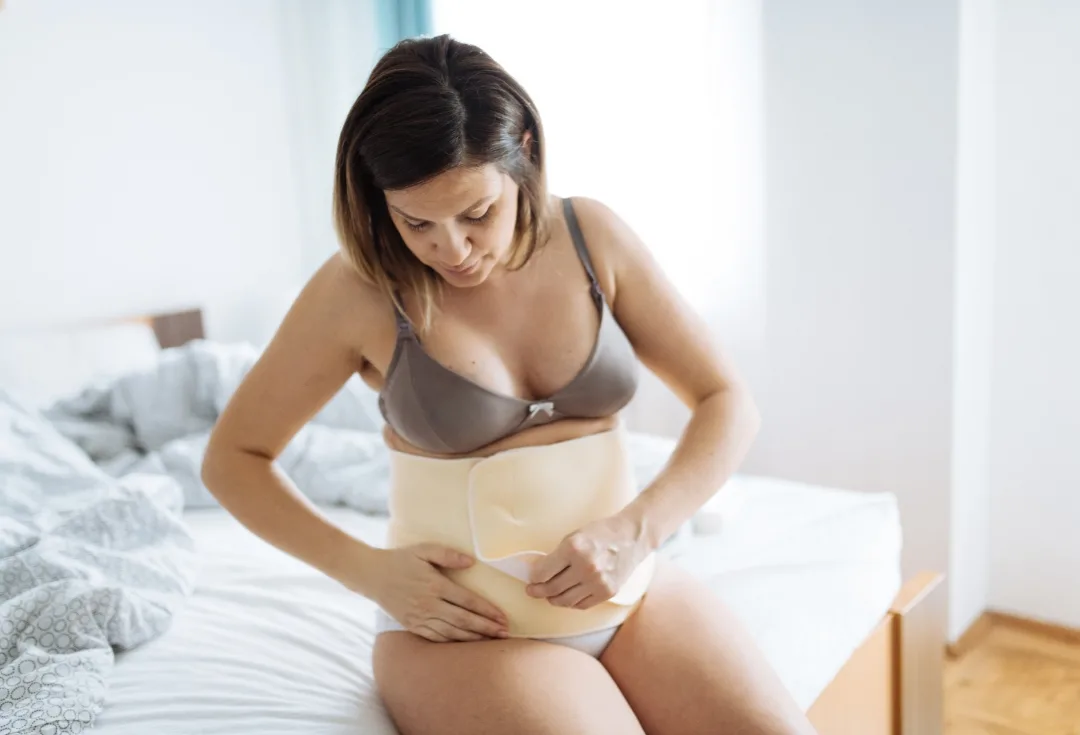
C-Section Recovery
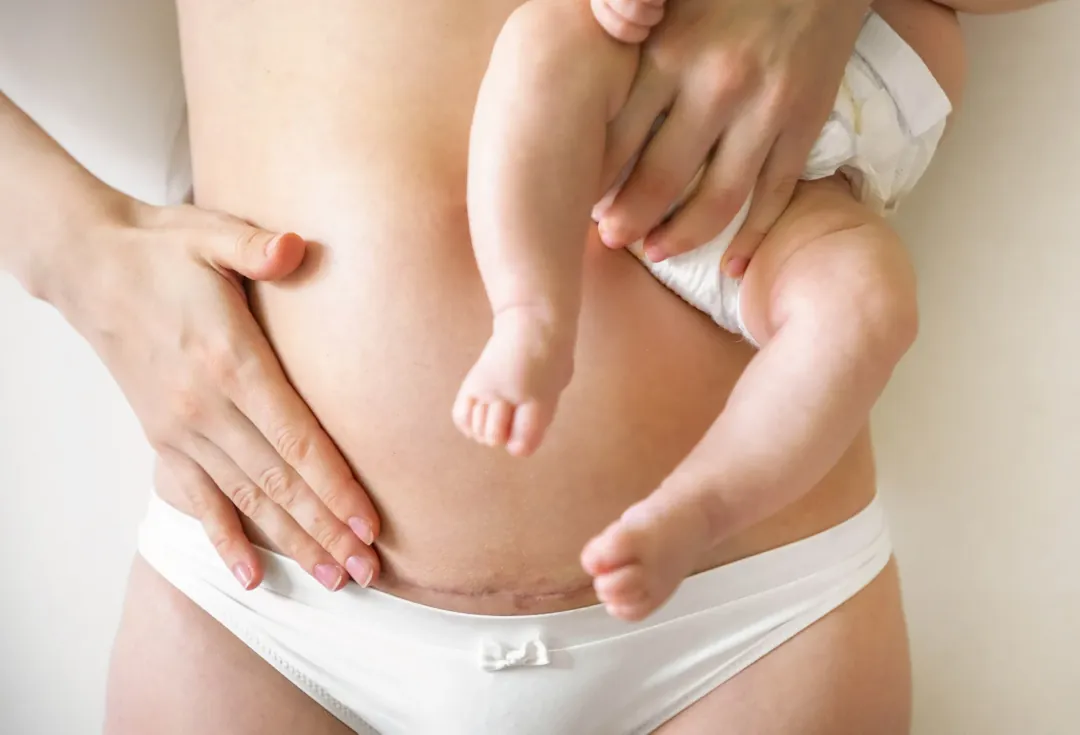
C-Section Recovery