
C-Section Recovery
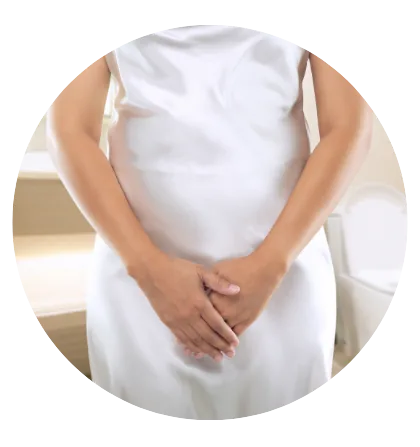
Postpartum Urinary Incontinence
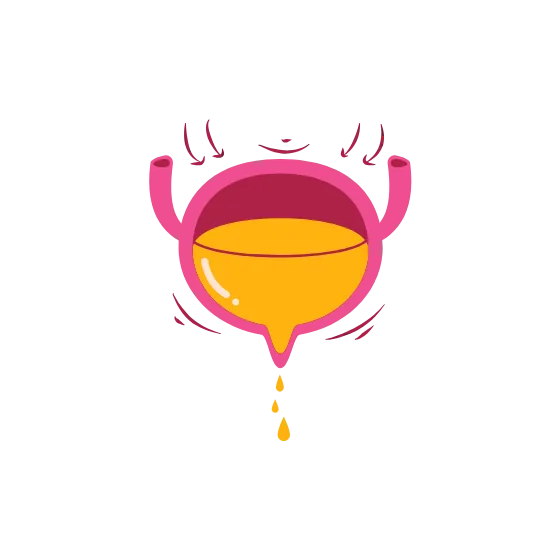
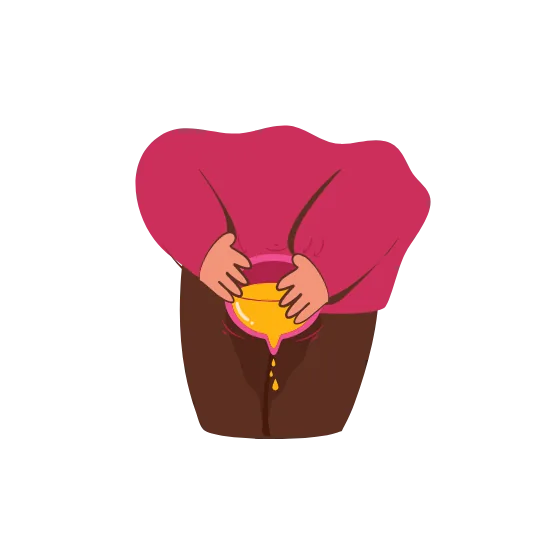
Urinary incontinence after birth may show up in some women when they cough, sneeze, laugh or exercise, and in others together with a sudden urge to urinate. It stems from the physical changes associated with pregnancy and birth. It is not something to be embarrassed about. A physiotherapy assessment looks at your birth history, when your symptoms started and how they affect your daily life. Your breathing, abdominal wall, and the contraction, relaxation and coordination of your pelvic floor muscles are also assessed according to your needs. Based on the findings, exercises, bladder habits and adjustments to daily activities are planned individually for you.
Tuğçe Atalay
Postpartum Urinary Incontinence: Causes and Pelvic Floor Assessment
What Does Urinary Incontinence After Birth Look Like?
Leaking urine when you cough, sneeze, laugh or exercise may be stress urinary incontinence. Not making it to the bathroom in time because of a sudden urge is urge incontinence; some people experience both.
Pelvic Floor Physiotherapy Assessment
In the assessment, we talk about when the leaking happens, how often it occurs and how it affects your daily life. Beyond the strength of your pelvic floor muscles, we also look at their ability to contract, relax and engage at the right moment.
Your Personalized Physiotherapy Plan
Your exercise program is based on the assessment findings; giving everyone the same Kegel exercise is not the right approach. Depending on the type of incontinence, we work on pelvic floor muscle training, bladder habits or muscle coordination during everyday movements. NICE recommends at least three months of supervised pelvic floor muscle training as the first-line option for stress or mixed urinary incontinence.
Common and Treatable
A 2023 study covering 32 studies and 28,303 women reported postpartum urinary incontinence in 26% of women.
"Since giving birth, I leak a few drops of urine when I cough."
"I had a C-section, but I started leaking urine anyway."
"I get a sudden urge to go and sometimes I don't make it in time."
Postpartum Urinary Incontinence FAQ

Author: Tuğçe Atalay, Specialist Physiotherapist
Last updated:
The information on this page is for general information only and does not replace diagnosis or treatment. Please consult your doctor and physiotherapist about your symptoms.
Latest Blog Posts
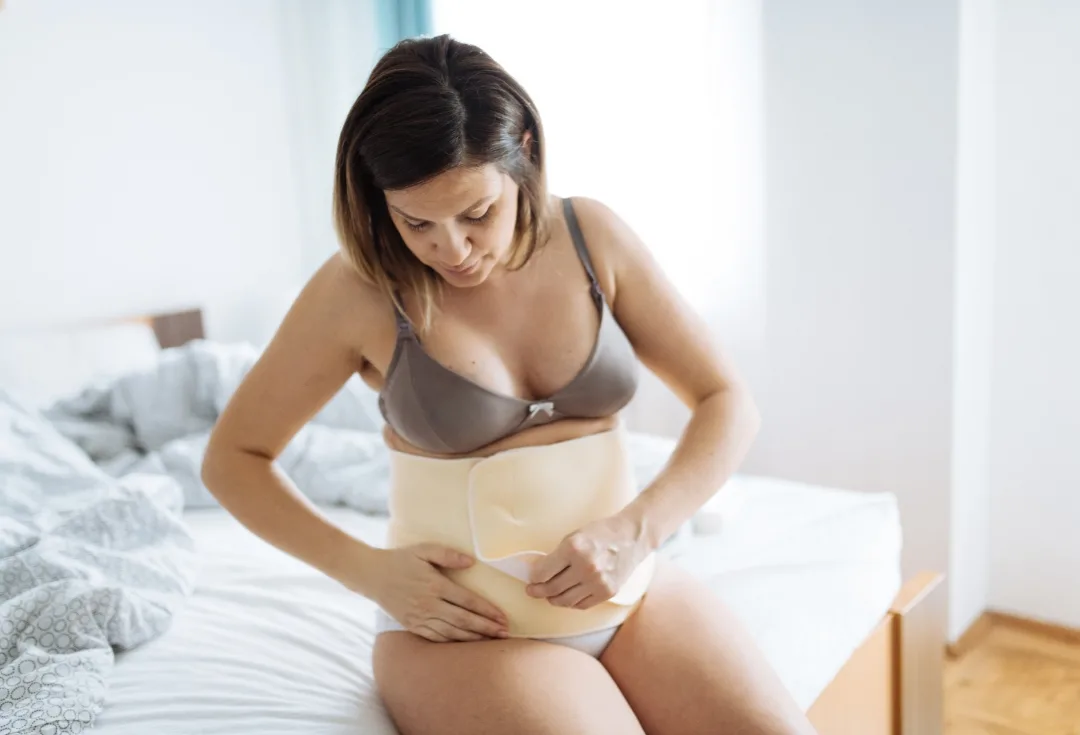
C-Section Recovery
C-Section Recovery