

C-Section Recovery
Swelling and Leg Pain in Pregnancy
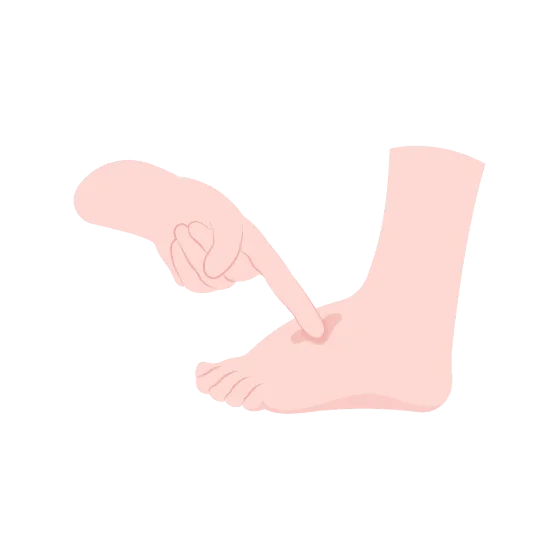
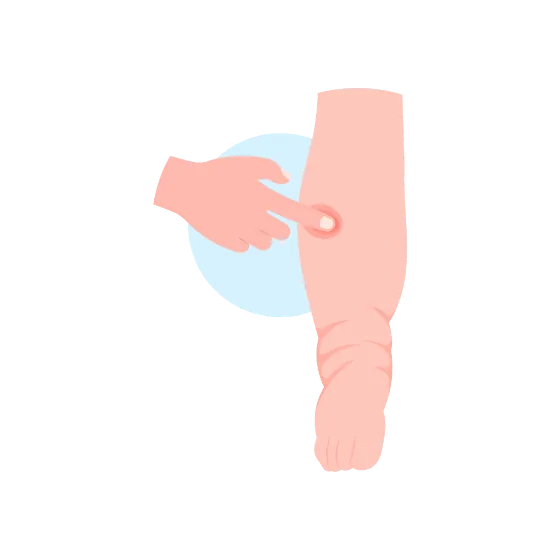
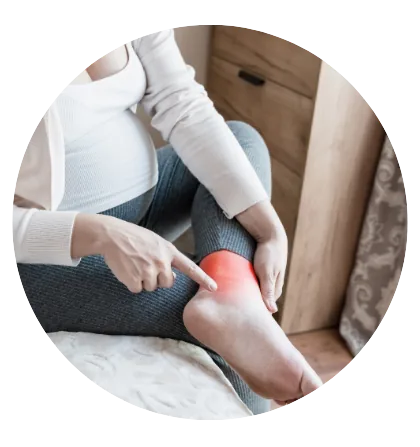
During pregnancy, you may notice swelling, especially in your ankles and feet, as the day goes on. This may come with heaviness or aching in your legs, or leg cramps at night. In a physiotherapy assessment, we consider not only when the swelling started and where it is, but also how it affects walking, standing and ankle movement. However, if you have sudden swelling, redness, warmth or tenderness in one leg, seek medical attention without delay.
Tuğçe Atalay
Swelling and Leg Pain in Pregnancy: What Matters from a Physiotherapist's Perspective?
What Causes Swelling and Leg Pain in Pregnancy?
As pregnancy progresses, mild swelling in the feet and ankles may occur; standing for long periods or hot weather can make it worse. You may also experience leg cramps and a feeling of heaviness in your legs.
What Do Swelling and Pain in the Legs Feel Like?
Swelling is usually most noticeable in the feet and ankles; it may increase during the day and ease with rest. Leg pain may take the form of cramps; however, swelling and pain that start suddenly in one leg should be assessed separately.
Physiotherapy for Leg Pain in Pregnancy
A physiotherapy assessment looks at your activity level, the swelling and pain in your legs, and your daily habits. If appropriate, pregnancy-safe movements such as walking and ankle exercises are planned.
Common and Treatable
In a cross-sectional study of 205 pregnant participants in the third trimester, 58% of participants reported leg cramps.
"My ankles swell a lot toward the evening."
"I wonder whether my swelling is normal in pregnancy."
"My legs feel heavy and tight."
Swelling and Leg Pain in Pregnancy FAQ
Related Content

Author: Tuğçe Atalay, Specialist Physiotherapist
Last updated:
The information on this page is for general information only and does not replace diagnosis or treatment. Please consult your doctor and physiotherapist about your symptoms.
Latest Blog Posts

C-Section Recovery
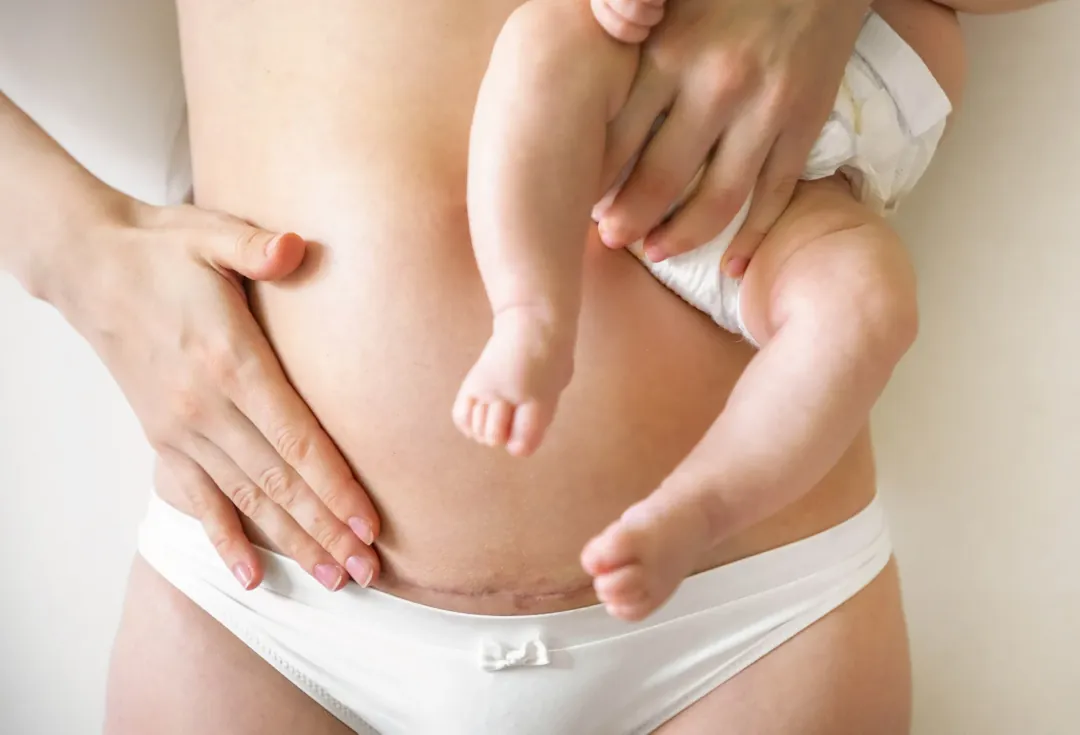
C-Section Recovery