
C-Section Recovery
Physiotherapy After a C-Section
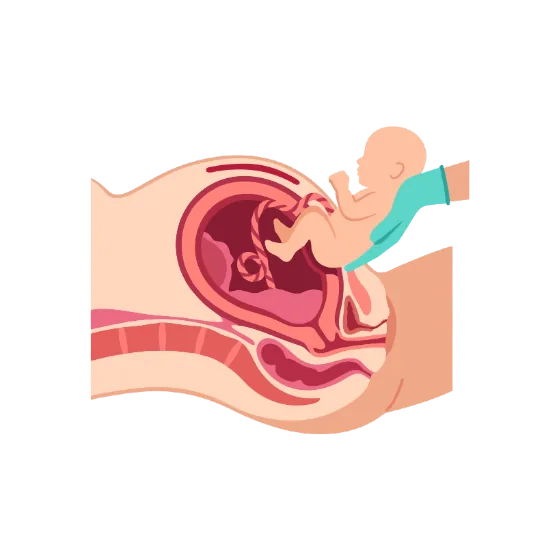
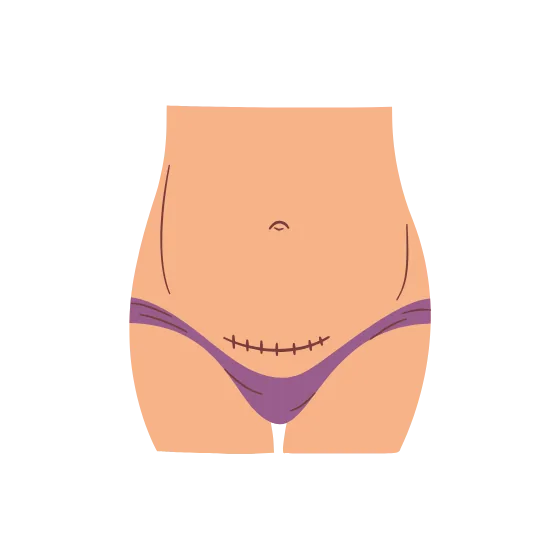
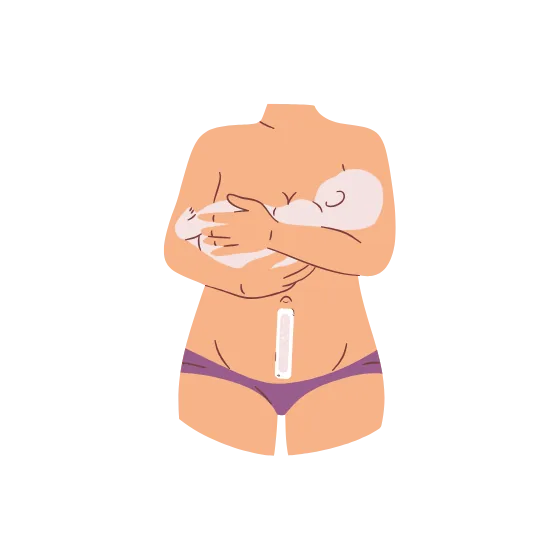
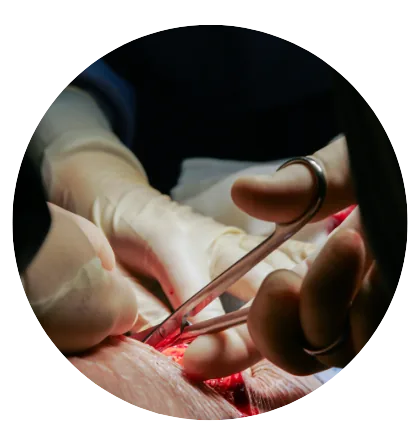
A C-section is a surgical birth that involves an incision in the abdominal wall and the uterus. Recovery varies from person to person. In the first days, getting out of bed safely and taking short walks, as advised by your healthcare team, make it easier to move. As healing progresses, exercises are planned gradually, taking into account the sensitivity around the incision, your everyday movements and your needs. The physiotherapy approach addresses how your breathing, trunk control, abdominal wall and pelvic floor muscles work together. Work or exercises around the incision are considered with tissue healing and your healthcare team's recommendations in mind.
Tuğçe Atalay
Physiotherapy After a C-Section: Recovery and Safe Movement
Moving in the Early Days After a C-Section
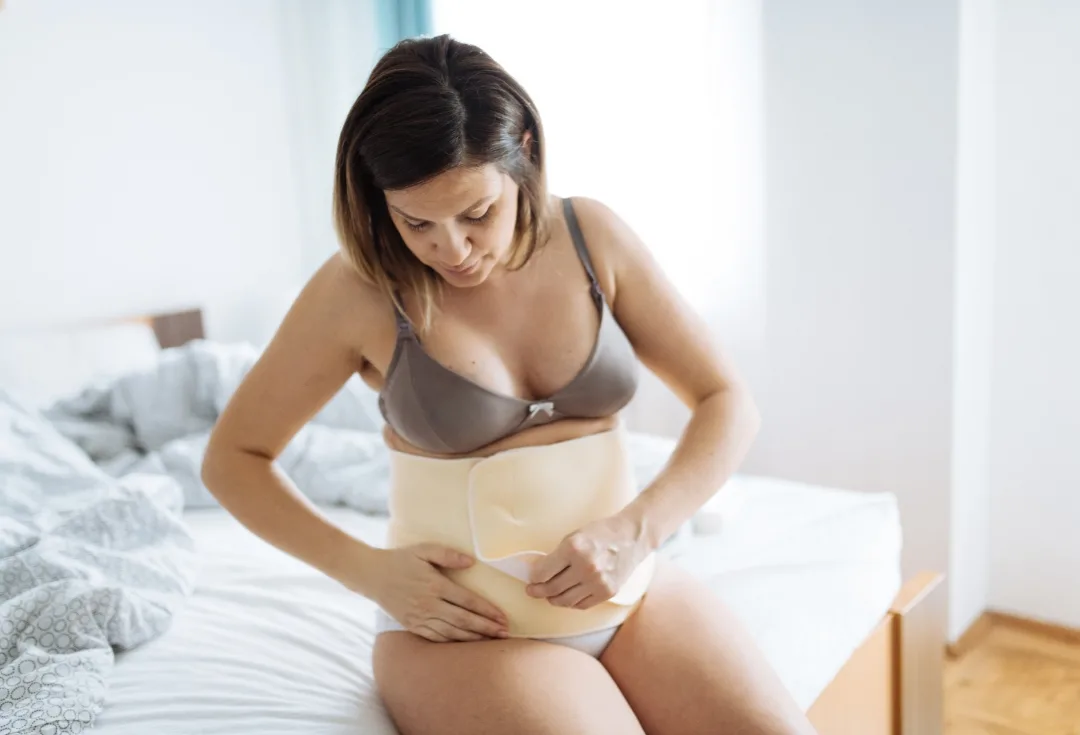
In the early stage of recovery, everyday movements such as getting out of bed and short walks can be organized according to your healthcare team's advice. The physiotherapist works with you on ways to reduce discomfort around the incision while moving and on how to use your breath. Noticing which movements increase pain also helps you plan your daily activities more comfortably.
C-Section Scar Sensitivity and the Abdominal Wall
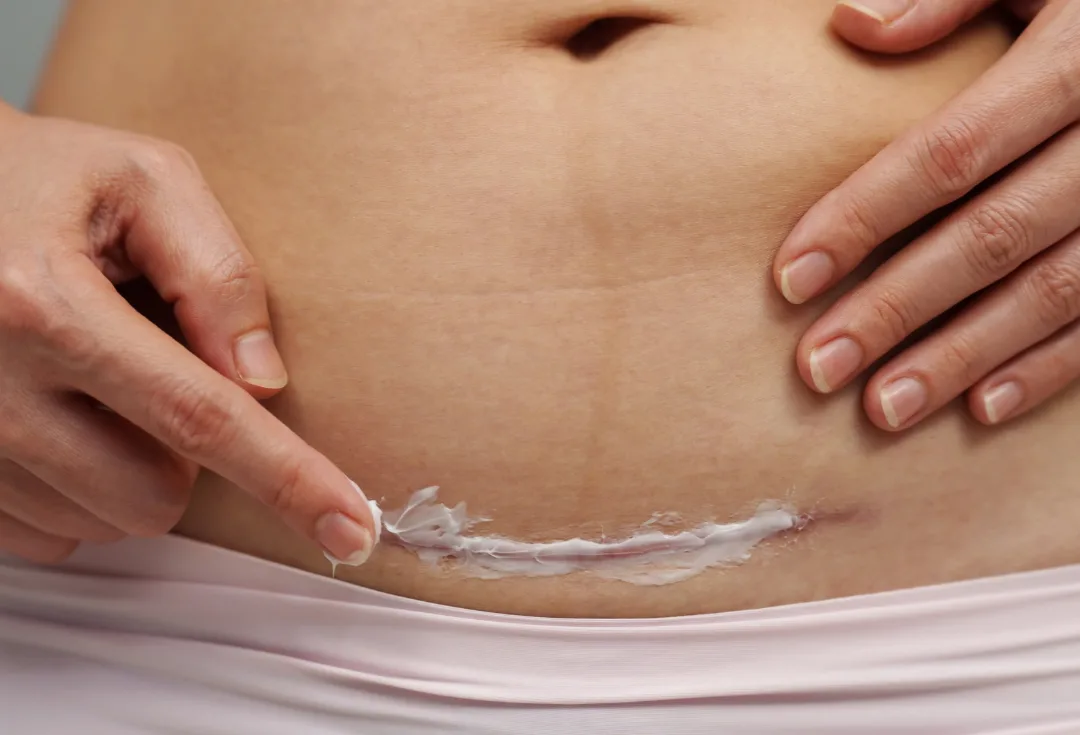
You may have tenderness, tightness or sensitivity to touch around the incision. Once the incision has fully healed, the physiotherapy assessment looks at the mobility of the scar and the sensitivity of the surrounding tissue. The scar should not be massaged before the wound has closed or if there is discharge or any sign of infection.
Gradual Return to Exercise and the Pelvic Floor
There is no single date for returning to exercise that fits everyone; your healing, pain and postpartum symptoms are taken into account. NICE recommends that after a C-section, you return to activities including exercise when you feel fully recovered and have no physical restrictions or pain. The physiotherapy plan can assess your abdominal wall, pelvic floor, breathing and everyday movement capacity together.
Common and Treatable
In a study of 64 women in Turkey, the group that followed a planned movement program starting 6 hours after a C-section and lasting 48 hours had earlier return of bowel function, as well as less pain and bloating.
"When I get out of bed, my incision feels like it is pulling."
"The area around my C-section scar is still numb and tender to the touch."
"The area around my scar feels tight; is it okay to massage it?"
Physiotherapy After a C-Section FAQ

Author: Tuğçe Atalay, Specialist Physiotherapist
Last updated:
The information on this page is for general information only and does not replace diagnosis or treatment. Please consult your doctor and physiotherapist about your symptoms.
Latest Blog Posts
C-Section Recovery
C-Section Recovery