
C-Section Recovery

Postpartum Pelvic Pain
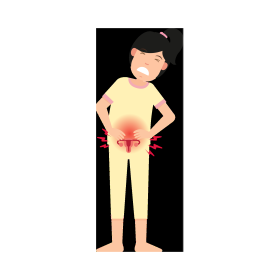
After birth, pelvic pain can be felt in the groin, around the pelvic bones, at the tailbone or in the perineum. It may become more noticeable when walking, climbing stairs, turning over in bed or carrying your baby. Sometimes pelvic girdle pain that began in pregnancy continues after birth; at other times different symptoms appear that are related to the birth and tissue healing. That is why the assessment considers your birth history as well as where the pain is and how it relates to everyday movements. The physiotherapist assesses movement, breathing, trunk control, muscle strength and the ability to relax according to your needs, and builds a plan from there.
Tuğçe Atalay
Postpartum Pelvic Pain: Causes and Physiotherapy Assessment
Where the Pelvic Pain Is and How It Relates to Daily Movement
The pain may be felt in the groin, at the front of the pelvis, around the hips, in the lower back or at the tailbone. The physiotherapist assesses how the pain changes with activities such as walking, climbing stairs, turning in bed and carrying your baby. This way, the rehabilitation plan focuses not only on the painful area but also on the movements you find difficult in everyday life.
Assessing Muscle, Joint and Pelvic Floor Function
The assessment looks at the strength, coordination and relaxation ability of the trunk, hip and pelvic floor muscles. It examines how the pelvis and trunk share the load during movement; a pelvic floor assessment is carried out based on your symptoms and with your consent. The type of birth, any birth injuries and how healing is progressing also guide the assessment.
Personalized Rehabilitation for Pelvic Pain
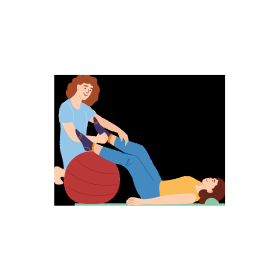
The physiotherapy plan includes work to build your movement tolerance, adapt daily activities and improve coordination between the trunk, hips and pelvic floor. The type and difficulty of exercises are set gradually according to your symptoms. For pelvic girdle pain, physiotherapy assessment is one of the approaches included in clinical guidelines.
Common and Treatable
A review of three studies on pelvic girdle pain that began in pregnancy reported that about one in three women with pain still had symptoms 3 months after birth, and in about 9 out of every 100 women the pain persisted 2 years later.
"I feel pressure at the front of my pelvis when I carry my baby."
"When I go for a walk, my hips and tailbone ache."
"I get groin pain when I turn over in bed."
Postpartum Pelvic Pain FAQ

Author: Tuğçe Atalay, Specialist Physiotherapist
Last updated:
The information on this page is for general information only and does not replace diagnosis or treatment. Please consult your doctor and physiotherapist about your symptoms.
Latest Blog Posts
C-Section Recovery
C-Section Recovery