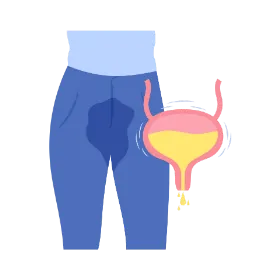

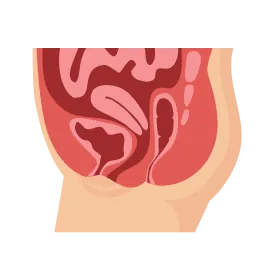

Urinary Incontinence

Urinary Incontinence

Urinary incontinence is very common among women, yet rarely talked about. It affects your everyday quality of life and can be linked to weak or dysfunctional pelvic floor muscles. If you leak when you laugh, cough or suddenly feel the urge to go, you are not alone. The good news is that with the right assessment and physiotherapy, this problem can be solved. Don't accept urinary incontinence as your fate; together, we can explore the way forward.
Tuğçe Atalay

Don't Let Urinary Incontinence Run Your Life

Why Am I Leaking Urine?

Pregnancy, childbirth, menopause and weak pelvic floor muscles are among the most common causes of urinary incontinence.
There are different types, such as stress incontinence (leaking when you laugh or cough), urge incontinence and mixed incontinence.

How Is It Assessed?

The assessment includes a detailed medical history, an examination of the pelvic floor muscles and, if needed, a bladder diary.
The goal is to identify the causes and needs that are specific to you.

Can It Be Treated?

Yes! Personalized pelvic floor physiotherapy, exercises, and breathing and awareness work lead to successful results.
Our goal is to help you regain control.

Common and Treatable

About 30-40% of women experience urinary incontinence at some point in their lives. In men, the rate is around 10-15%.

"I leak urine when I laugh, cough or sneeze."
"I suddenly need to go, but I can't make it to the bathroom in time."
"I constantly feel the need to go to the bathroom, so going out has become really hard."

Urinary Incontinence FAQ

No, urinary incontinence is not normal. Although it is often seen as a natural part of aging, in most cases it is a preventable and treatable health problem.

The main causes of urinary incontinence in women are:
Pregnancy and childbirth: weakening of the pelvic floor muscles
Menopause: weaker support of the bladder and urethra as estrogen levels fall
Obesity: increased intra-abdominal pressure
Chronic constipation: excess strain on the pelvic muscles
Urinary tract infections

Conditions that can cause urinary incontinence in men include:
Enlarged prostate (BPH): it can press on the bladder and make urinary control harder.
Prostate surgery: the ability to hold urine may be reduced after surgery.
Neurological conditions: bladder control can be impaired by Parkinson's disease, MS or after a stroke.
Diabetes: it can affect bladder function through nerve damage.

Urinary incontinence can take different forms:
Stress incontinence: leaking urine when you cough, sneeze, laugh or lift something heavy.
Urge incontinence (overactive bladder): leaking urine together with a sudden feeling that you won't make it to the bathroom in time.
Mixed incontinence: stress and urge incontinence occurring together.
Overflow incontinence: leaking or dribbling because the bladder does not empty completely.

Treatment for urinary incontinence depends on the cause:
Holistic pelvic floor therapy: personalized exercises to restore muscle function and improve control.
Body awareness and bladder training: regulating your toilet habits and learning to control your bladder.
Diet and lifestyle changes: adjusting fluid intake and avoiding foods and drinks that irritate the bladder.
Medical treatment or surgery: medication or an operation when necessary, on a doctor's recommendation.

Yes. Strengthening the pelvic floor muscles and restoring their function is a highly effective approach for women and men with urinary incontinence. However, it is important to work the right muscles; when the exercises are done incorrectly, they may be less effective.

During childbirth, the pelvic floor muscles, nerves and connective tissues are put under strain. Many women experience urinary incontinence after giving birth, including women who had a C-section. With postpartum pelvic floor rehabilitation, this can be brought under control.

Yes! Excess weight increases intra-abdominal pressure and puts extra load on the bladder and pelvic floor muscles. Research shows that losing weight can reduce urinary incontinence symptoms by up to 50%.

No! If you feel as though you can't empty your bladder completely, this may be related to overflow incontinence or bladder dysfunction. It is important to talk to a pelvic floor physiotherapist about it.

Yes! For most people, urinary incontinence can be treated without surgery. It can be brought under control with pelvic floor therapy, bladder training, lifestyle changes and, in some cases, medication.

These products may offer short-term relief, but they do not solve the underlying pelvic floor dysfunction. A lasting solution requires the muscles to regain their function, and that is possible with the right exercises, breathing and awareness.

Tuğçe Atalay

Author: , Specialist Physiotherapist

Last updated:

The information on this page is for general information only and does not replace diagnosis or treatment. Please consult your doctor and physiotherapist about your symptoms.

Back to Top