
Overactive Bladder
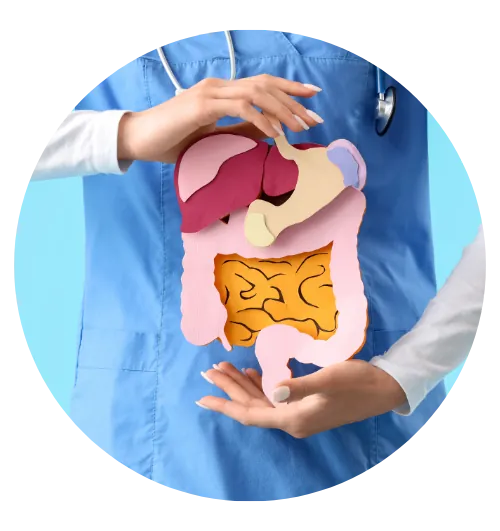
Hirschsprung's Disease
Hirschsprung's disease is a condition in which nerve cells are missing from part of the bowel from birth, which affects bowel movements and the passing of stool. The main treatment is surgery; however, some children continue to have bowel problems after surgery, such as constipation, difficulty passing stool, fecal incontinence, or stool soiling in their underwear. In these cases, how the child uses their pelvic floor and abdominal muscles during bowel movements, whether they can relax these muscles enough, and their bowel control can be assessed together. In suitable children, pelvic floor physiotherapy can be used alongside surgical and medical treatment to support muscle coordination, the mechanics of passing stool, and bowel control.
Common and Treatable
A study of children who had a Soave procedure for Hirschsprung's disease and continued to have fecal incontinence reported that pelvic floor muscle training and biofeedback significantly improved bowel control.
"My child had surgery for Hirschsprung's, but the constipation hasn't gone away."
"I'm looking for an additional treatment to support my child's bowel control after Hirschsprung's surgery."
"My child often has stool soiling in their underwear."
Hirschsprung's Disease FAQ
Related Content

Author: Tuğçe Atalay, Specialist Physiotherapist
Last updated:
The information on this page is for general information only and does not replace diagnosis or treatment. Please consult your doctor and physiotherapist about your symptoms.
Latest Blog Posts

Diastasis Recti
Postpartum Recovery
Painful Intercourse (Dyspareunia)
Vaginismus