
Overactive Bladder
Tailbone Pain (Coccydynia)
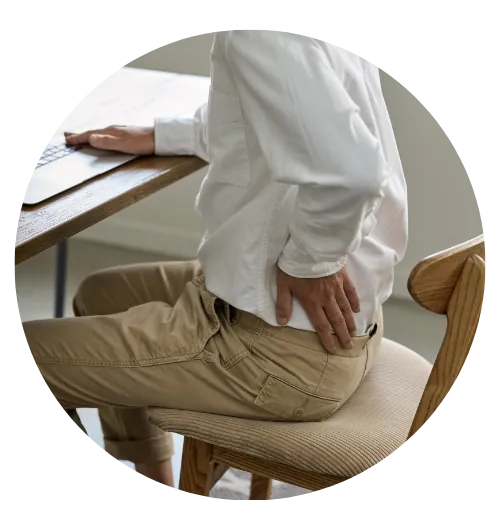
A stabbing feeling when you sit, straining on the toilet, pain that gets worse when you stay still for a long time... All of these can come from tension or trauma in the tailbone (coccyx) area. Falls, a difficult birth, poor sitting posture and pelvic floor dysfunction in particular can make the tailbone sensitive. Over time, pain in this area can affect daily life and become chronic. Fortunately, with the right physiotherapy approach, tailbone pain can be brought under control and you can regain your quality of life.
Tailbone pain, medically known as coccydynia, is a problem that lowers quality of life but is often ignored. It is especially common in people who sit for long periods, have given birth, have had a fall or have chronic pelvic pain. Sometimes it develops even without any obvious trauma.
Where is the tailbone?
The tailbone is the small bony structure at the very bottom of the spine, called the "coccyx." It is actually what remains of our tail. It is one of the points that carry the body's weight when you sit, and it is surrounded by many muscles, ligaments and nerves.
What causes tailbone pain?
Tailbone pain can have many causes. Here are the most common:
-
Trauma after a fall or impact
-
Prolonged sitting (especially on hard surfaces)
-
Strain during childbirth
-
Poor posture / sitting habits
-
Tension in the pelvic floor muscles
-
Musculoskeletal imbalances (the relationship between the lower back, upper back and pelvis)
-
In some cases, no cause can be found (idiopathic)
What are the symptoms of tailbone pain?
-
Pain, especially when sitting or getting up from a seated position
-
A feeling of discomfort spreading to the lower back
-
Pressure or pain during bowel movements
-
Tenderness during or after intercourse
-
Pain that gets worse during your period (in some women)
How is tailbone pain treated with rehabilitation?
The most important message here is this: You don't have to put up with this pain.
Physiotherapy can achieve very good results for tailbone pain. My clinical approach includes the following steps:
- Detailed posture and movement analysis
- Pelvic floor muscle assessment
- Manual therapy and mobilization techniques
- Breathing and body awareness exercises
- Training in correct sitting and movement in daily life
- A home exercise program and, if needed, kinesiology taping
In some cases, biofeedback, deep tissue release techniques or nervous system regulation work may also be included in the process.
Not all tailbone pain is the same
Every client's pain has different causes. That's why you need an individualized assessment and a holistic approach, not copy-and-paste exercises. If your tailbone pain has lasted for weeks, if sitting has become an ordeal or if it is affecting your daily life, it is very important to get specialist support.
Tailbone Pain (Coccydynia) FAQ
Related Content

Author: Tuğçe Atalay, Specialist Physiotherapist
Last updated:
The information on this page is for general information only and does not replace diagnosis or treatment. Please consult your doctor and physiotherapist about your symptoms.
Latest Blog Posts

Diastasis Recti
Postpartum Recovery

Painful Intercourse (Dyspareunia)
Vaginismus