Overactive Bladder
What Causes Frequent Urination? When Is It Not Normal?
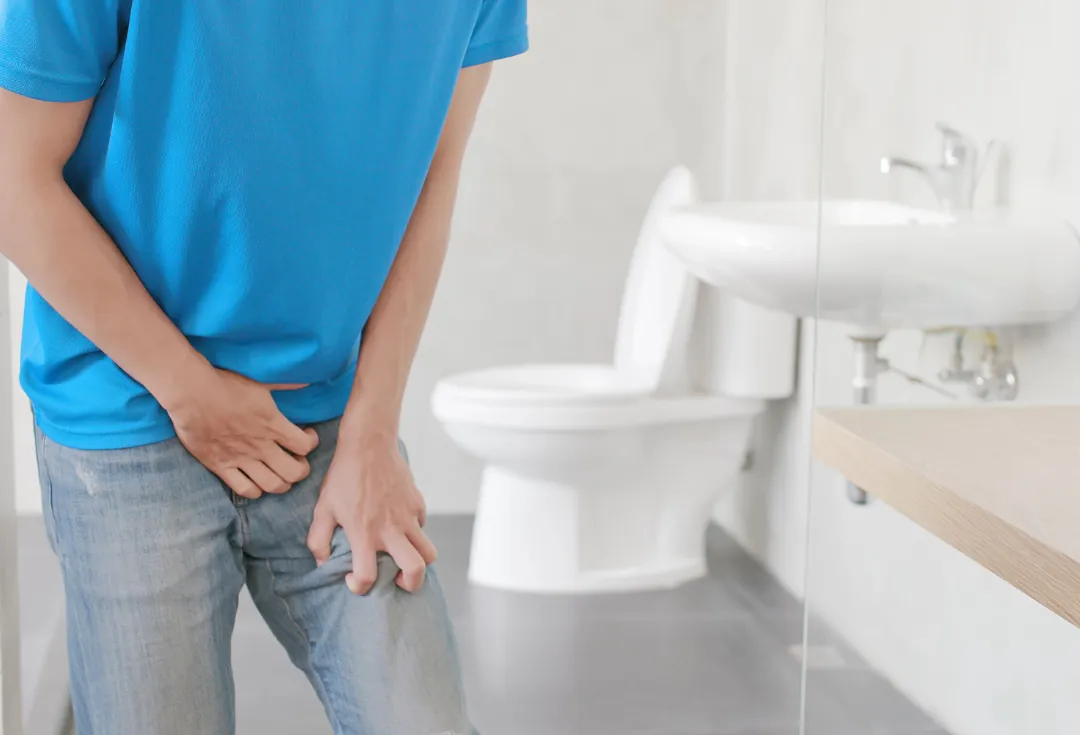
Frequent urination means feeling the need to go to the bathroom more often than usual during the day. On its own, it does not always mean you have a medical condition; it can increase temporarily for simple reasons such as drinking a lot of water, having tea or coffee, or cold weather. However, if it makes you plan your day around bathrooms, interrupts your sleep at night or makes you worry that you “won’t make it to the toilet,” it should be assessed.
How many times a day is it normal to pee?
There is no single “normal number” that applies to everyone. How much fluid you drink, caffeine and alcohol intake, medications, the weather, sleep patterns and other health problems can all change how often you urinate.
The International Continence Society (ICS) defines increased daytime frequency as needing to urinate more often than the person considers normal for themselves. That is why it is not just the number that matters, but also sudden urgency, waking at night, leakage, pain and the impact on your quality of life.
What causes frequent urination?
1. Drinking too much fluid, caffeine or alcohol
Tea, coffee, energy drinks, cola and alcohol can increase urine production or make the bladder more sensitive in some people. Especially when consumed later in the day, they can increase how often you get up at night to urinate.
This does not mean you “need to drink less water.” But it can be helpful to notice how your fluid intake is spread across the day and which drinks make your symptoms worse.
2. Urinary tract infection
If frequent urination comes with burning, stinging, foul-smelling or cloudy urine, or groin pain, a urinary tract infection should be considered. In this case, you need to see a physician without losing time on self-directed exercises or bladder training.
3. Overactive bladder
With overactive bladder, you feel a sudden need to go to the bathroom that is hard to put off. This urgency can come with frequent urination, waking at night and sometimes urinary incontinence.
The issue here is not just a “small” bladder. The signals the bladder sends as it fills, the nervous system, habits, bowel function and the coordination of the pelvic floor muscles can all play a part.
4. How the pelvic floor muscles work
The pelvic floor muscles are not simply strong or weak; they need to be able to contract when needed and relax when needed.
If the muscles are constantly tense or do not work in coordination with the bladder, the following symptoms may occur:
-
Frequent urination
-
A sudden feeling of urgency
-
Passing only small amounts of urine
-
A feeling of incomplete emptying
-
Difficulty starting to urinate
-
Pressure, pain or tension in the pelvic area
-
Constipation or difficulty passing stool
That is why recommending the same Kegel exercises to everyone is not the right approach. Some people need strengthening, while for others relaxation, breathing and coordination work may come first.
5. Constipation
The bowel and bladder sit in the same area and are neighboring organs that affect each other. Long-term constipation can put pressure on the bladder, increase the feeling of urgency and make it harder for the pelvic floor to work properly.
That is why it is important to also talk about bowel habits with someone who has frequent urination.
6. Prostate-related problems in men
In men, if frequent urination comes with a weak urine stream, stop-and-start urination, straining, dribbling or a feeling of incomplete emptying, the prostate or other conditions that affect urine outflow should be assessed.
Not everyone with an enlarged prostate has the same symptoms. For some, the main problem may be urgency and frequent urination. So instead of thinking “I pee a lot, so I must just be drinking too much water,” the full picture of symptoms should be considered.
7. Frequent urination at night
Waking up one or more times at night to urinate is important, especially if it disrupts your sleep and causes daytime fatigue. The cause may not be the bladder alone.
Getting up at night to urinate can be related to evening fluid intake, sleep disorders, diabetes, certain heart, blood vessel or kidney diseases, medications, prostate problems or the bladder’s storage function. That is why frequent urination at night should not be attributed to a single cause.
When should you see a doctor about frequent urination?
If you have any of the following symptoms, you need to be assessed by a physician:
-
Burning, stinging or pain when urinating
-
Blood in the urine
-
Fever, chills, nausea or flank/back pain
-
Inability to urinate or a marked feeling of incomplete emptying
-
New and rapidly worsening urinary incontinence
-
Unexplained weight loss, excessive thirst or marked fatigue
-
New urinary symptoms during pregnancy
-
Frequently recurring urinary tract infections
Blood in the urine should always be evaluated.
How does pelvic floor physiotherapy help with frequent urination?
First, the source of the problem needs to be understood. Pelvic floor physiotherapy is not just about “strengthening muscles.” Your bladder habits, fluid intake, constipation, breathing pattern, the ability of your pelvic floor muscles to contract and relax, your posture and any accompanying pain are assessed together.
Depending on your needs, the program may include:
-
A bladder diary and adjusting toilet habits
-
Bladder training
-
Techniques for managing moments of urgency
-
Diaphragmatic breathing and pelvic floor coordination exercises
-
Strengthening or relaxing the pelvic floor muscles
-
Biofeedback
-
Constipation management and training in proper bowel emptying
-
Identifying triggers in daily life
A bladder diary lets you record when and how much fluid you drink, how many times you go to the bathroom, roughly how much urine you pass and whether there was leakage or urgency. This record helps assess your symptoms more clearly than describing them from memory alone.
Frequently asked questions
Does drinking a lot of water cause frequent urination?
Yes. Drinking a large amount of fluid in a short time in particular can increase how often you need to go. However, cutting back on fluids too much is not the solution; dark urine and insufficient fluid intake can also irritate the bladder.
Does coffee make you pee more often?
For some people, yes. Coffee can both increase urine production and trigger bladder sensitivity. If you have symptoms, you can try adjusting how much coffee you drink and when, before cutting it out completely.
Can frequent urination be a sign of diabetes?
If frequent urination comes with excessive thirst, dry mouth, fatigue or weight loss, diabetes should also be considered. This requires a physician’s evaluation and the necessary blood and urine tests.
Do Kegels help with frequent urination?
Not always. If the pelvic floor muscles are weak, exercise can be helpful; however, if the muscles are already tense, there is a coordination problem or there is pain, squeezing exercises alone can make symptoms worse. The right approach should be determined after an assessment.
Is it normal to get up twice a night to pee?
It is not right to decide based on a number alone. However, if getting up at night disrupts your sleep, causes daytime fatigue or has started recently, the cause should be assessed.
Conclusion
Frequent urination is usually not an unsolvable problem. What matters is not to normalize the symptom or simply cut back on water, but to understand its cause correctly.
Once urinary tract infection, prostate problems, metabolic causes and other medical conditions have been ruled out, bladder habits, bowel function, breathing and the way the pelvic floor muscles work can be an important part of the symptoms. Individually planned pelvic floor physiotherapy can play a supportive role in assessing and managing this process.

Author: Tuğçe Atalay, Specialist Physiotherapist
Last updated:
The information on this page is for general information only and does not replace diagnosis or treatment. Please consult your doctor and physiotherapist about your symptoms.