



Overactive Bladder

Daytime Wetting
Daytime wetting in children is closely linked to irregular bladder muscle activity (bladder dysfunction), poor pelvic floor coordination and differences in sensory awareness. Pelvic floor physiotherapy focuses on bladder training, toilet awareness and the balance between nerves and muscles. Your child learns not only to stay dry but also to trust their body.
Tuğçe Atalay
Don’t Ignore Daytime Wetting!
It’s Not Just “Carelessness”
Children who wet themselves during the day are often absorbed in play, have been holding back the urge to go, or simply did not notice it. But this is not only a behavioral issue; it also involves the nervous system, sensory awareness and muscle control.
The Role of the Pelvic Floor Muscles
Pelvic floor muscles that are too tense or too weak can make it harder to notice a full bladder in time and to hold urine. Because these children do not know how to use their muscles, “accidents” happen often.
Effective, Medication-Free Support: Physiotherapy
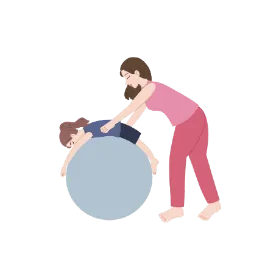
Through play-based exercises, children develop pelvic floor awareness, toilet routines and relaxation skills. This way, control grows stronger not only physically but also emotionally — and self-confidence is rebuilt.
Common and Treatable
Research shows that about 8-10% of children between the ages of 4 and 12 have daytime wetting, and it is more common in girls than in boys.
"She wets herself before she gets to the toilet. She always notices at the last minute."
"He gets so caught up in playing that he doesn’t notice he needs to go."
"Suddenly we see their pants are wet, and they don’t even seem to have noticed."
Daytime Wetting FAQ
Related Content

Author: Tuğçe Atalay, Specialist Physiotherapist
Last updated:
The information on this page is for general information only and does not replace diagnosis or treatment. Please consult your doctor and physiotherapist about your symptoms.
Latest Blog Posts

Diastasis Recti
Postpartum Recovery

Painful Intercourse (Dyspareunia)
Vaginismus