

Overactive Bladder
Overactive Bladder
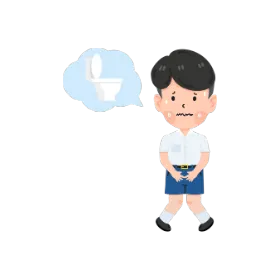
Overactive bladder makes a child feel the need to pee before the bladder is full. It comes with sudden urgency, leaking before reaching the toilet and going to the bathroom many times a day. This is not something your child does on purpose. It is the bladder muscle contracting uncontrollably. With physiotherapy, your child learns to understand their body, read bladder signals correctly and control the pelvic floor muscles. It is possible to go to the toilet calmly and on time, rather than at the first early signal.
Tuğçe Atalay
Is Your Child’s Bladder Overactive?
Early Signals, Sudden Reactions
In overactive bladder, the bladder muscle contracts too early and too much, causing sudden urgency and leaks. These children go to the toilet very often and frequently leak before they get there.
Sensory Awareness and Bladder Training
Children often do not understand where this sense of urgency comes from. Physiotherapy strengthens both sensory awareness and communication between the bladder and the brain.
The Role of the Pelvic Floor Muscles
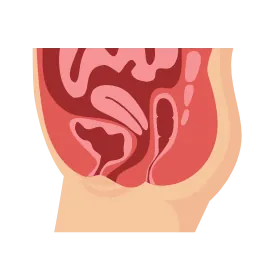
When the pelvic floor muscles work correctly, the bladder can “wait” longer. Children who gain muscle control can stay dry for longer, and the stress of rushing to the toilet decreases.
Common and Treatable
Overactive bladder affects about 5-12% of preschool-age children, and this rate may be even higher when combined with bedwetting and daytime wetting.
"He goes to the toilet more than ten times a day, always in a rush."
"She leaks before she makes it to the toilet, so leaving the house is always stressful."
"He just can’t stay dry for long. We’re always on edge, waiting for the next accident."
Overactive Bladder FAQ
Related Content

Author: Tuğçe Atalay, Specialist Physiotherapist
Last updated:
The information on this page is for general information only and does not replace diagnosis or treatment. Please consult your doctor and physiotherapist about your symptoms.
Latest Blog Posts

Diastasis Recti
Postpartum Recovery
Painful Intercourse (Dyspareunia)
Vaginismus