
Overactive Bladder
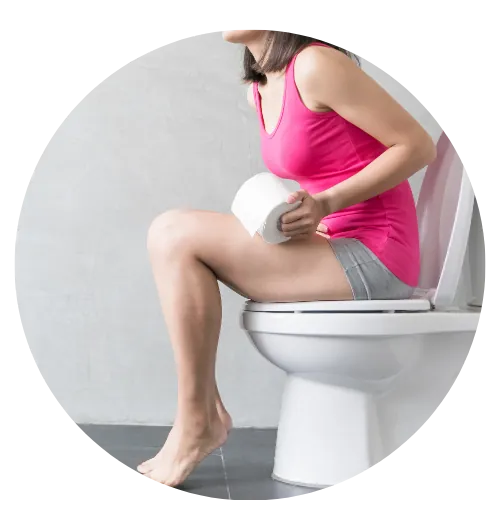
Constipation
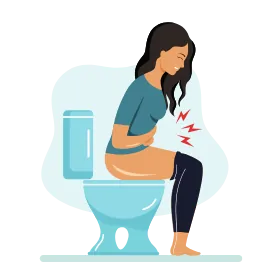
Chronic constipation is a common problem that affects your daily life and quality of life. By improving the function of your pelvic floor, you can ease your bowel movements and get rid of that bloated feeling. Personalized exercises guided by a physiotherapist improve your toilet habits and address the root causes of constipation. Get professional support for healthy digestion and a more comfortable life!
Tuğçe Atalay
Chronic Constipation
Understand the Causes Behind Constipation
Constipation can have many different causes, such as poor eating habits, inactivity, stress or problems with the pelvic floor muscles. A pelvic floor that is too tense or works too weakly can have a negative effect on your bowel movements. With the right assessment and a personalized approach, it is possible to identify the underlying cause of your constipation and plan effective therapy.
Support Your Bowels with the Right Exercises
Constipation can be reduced with specific exercises that support pelvic floor function and physiotherapy methods that regulate bowel habits. Body awareness exercises and breathing techniques that make the pelvic floor more flexible ease your bowel movements, regulate your toilet habits and improve your quality of life.
Get Physiotherapy Support for Lasting Relief
You don't have to fight chronic constipation on your own. Personalized treatment with specialist physiotherapists can improve your bowel function for the long term. Make use of physiotherapy for your bowel health and overall comfort, and take a step toward lasting relief.
Common and Treatable
Constipation affects about 16% of the adult population worldwide, and the rate rises to as much as 33% in people over 60.
"I spend a very long time on the toilet, and sometimes I get a headache from straining."
"Going to the bathroom has become a struggle for me. Sometimes I can't go for days."
"Even though I'm careful about what I eat, I just can't get into a regular rhythm."
Constipation FAQ

Author: Tuğçe Atalay, Specialist Physiotherapist
Last updated:
The information on this page is for general information only and does not replace diagnosis or treatment. Please consult your doctor and physiotherapist about your symptoms.
Latest Blog Posts

Diastasis Recti
Postpartum Recovery
Painful Intercourse (Dyspareunia)
Vaginismus