


Overactive Bladder

Pelvic Organ Prolapse
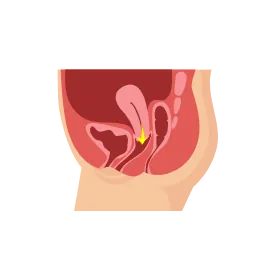
Pelvic organ prolapse is a common condition that affects women’s quality of life. If you live with it, the right exercises can support your pelvic floor and reduce your symptoms. A regular program guided by a physiotherapist helps you carry on with your daily activities comfortably. Discover professional support for a healthy, active and confident life!
Tuğçe Atalay
Address Your Concerns About Pelvic Organ Prolapse
Recognize the Symptoms
Pelvic organ prolapse can show up as a feeling of heaviness in the lower abdomen, pressure in the vaginal area and urinary incontinence. Early diagnosis can quickly bring comfort back to your daily life.
Get Stronger with the Right Exercises
By supporting your pelvic floor with the right exercises under your physiotherapist’s guidance, you can reduce symptoms and keep the prolapse from progressing. Take back control with regular exercise.
Regain Your Confidence
Improve your pelvic health and quality of life with our professional support. An active, comfortable and confident life is possible!
Pelvic Organ Prolapse FAQ

Author: Tuğçe Atalay, Specialist Physiotherapist
Last updated:
The information on this page is for general information only and does not replace diagnosis or treatment. Please consult your doctor and physiotherapist about your symptoms.
Latest Blog Posts

Diastasis Recti
Postpartum Recovery

Painful Intercourse (Dyspareunia)
Vaginismus