
Overactive Bladder

Menopause
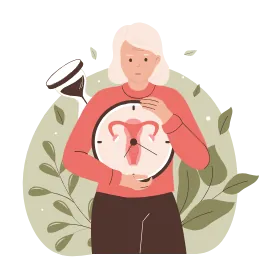
During menopause, hormonal changes can lead to problems such as urinary incontinence, vaginal dryness, pelvic pain and low sexual desire. Don’t let these changes weaken your connection with your body. Pelvic floor physiotherapy helps your muscles regain their function and improves your quality of life. Step into this new phase with strength through exercise, breathing and body awareness. Your body may change, but you stay in control!
Tuğçe Atalay
Menopause: Not an End, but a Transformation
Changes That Come with Menopause
As estrogen levels fall during menopause, complaints such as urinary incontinence, vaginal dryness, pelvic pain and low sexual desire become common. These physiological changes can affect both your daily quality of life and your self-confidence.
The Role of the Pelvic Floor Muscles
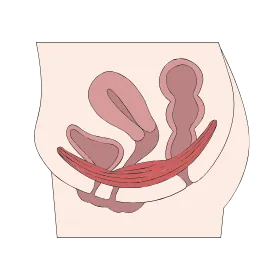
The pelvic floor muscles help support organs such as the bladder, uterus and bowel. With menopause, these muscles lose some of their function, which can lead to problems with urination, bowel movements and sexual function.
Ease This Transition with Physiotherapy
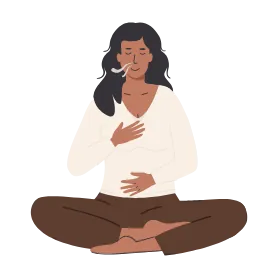
Pelvic floor physiotherapy helps your muscles become functional again, builds awareness and reduces symptoms. With exercise, breathing work and body awareness techniques, you can go through this phase more comfortably.
Common and Treatable
After menopause, approximately 30–50% of women experience urinary incontinence, 15–20% pelvic pain and 40–60% sexual dysfunction.
"I leak before I can make it to the toilet."
"I wake up at night needing to pee."
"Sex hurts."
Menopause FAQ

Author: Tuğçe Atalay, Specialist Physiotherapist
Last updated:
The information on this page is for general information only and does not replace diagnosis or treatment. Please consult your doctor and physiotherapist about your symptoms.
Latest Blog Posts

Diastasis Recti
Postpartum Recovery

Painful Intercourse (Dyspareunia)
Vaginismus