


Overactive Bladder

Pregnancy and Childbirth
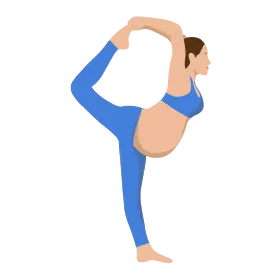
Because of the intense strain it puts on your body, pregnancy has been compared to running a marathon — the load you carry is heavy. While your OB-GYN focuses on preventing and treating complications, your physiotherapist helps you support your muscles for more effective pushing, a shorter labor, a lower risk of injury during birth and much more. Whether you are in your first trimester or two weeks from your due date, physiotherapy can make a life-changing difference.
Tuğçe Atalay
Feel Good in Every Trimester
Stay Active During Pregnancy
Throughout pregnancy, your body adapts rapidly under the influence of hormonal changes. During this time, you may notice clear changes in your posture, spine and pelvis. Physiotherapy programs starting in the first trimester help you reduce pain, protect your pelvic floor function and maintain a safe level of physical activity.
Prepare for Birth with Confidence
As your due date approaches, your physiotherapist focuses on preparing you for a comfortable, informed birth experience. The support I provide includes:
-
Exercises that improve the function and flexibility of the pelvic floor muscles
-
Guidance on safe, effective birthing positions and correct pushing techniques
-
Perineal massage to reduce the risk of tearing
-
Pain management and breathing exercises that ease labor
Take Care of Yourself and Your Baby
Every session begins with a detailed assessment of your personal needs and the changes you are going through. How often you come depends on your due date and your individual situation, although many expectant mothers find weekly sessions until birth effective. Together, we can create the plan that suits you and your baby best.
Common and Treatable
50% of pregnant women experience pain. Physiotherapy has been proven to help prevent and treat pregnancy pain, reduce the risk of perineal trauma and shorten labor.
"I feel stabbing pain and pressure in my groin, as if the baby’s whole weight is sitting there."
"I have trouble holding my urine; sometimes I feel like I won’t make it to the toilet."
"My due date is so close, and I don’t know how to push."
Pregnancy and Childbirth FAQ

Author: Tuğçe Atalay, Specialist Physiotherapist
Last updated:
The information on this page is for general information only and does not replace diagnosis or treatment. Please consult your doctor and physiotherapist about your symptoms.
Latest Blog Posts

Diastasis Recti
Postpartum Recovery

Painful Intercourse (Dyspareunia)
Vaginismus