Postpartum Recovery

Why Hasn’t My Belly Gone Down After Birth? Diastasis Recti Symptoms, Self-Test and Treatment
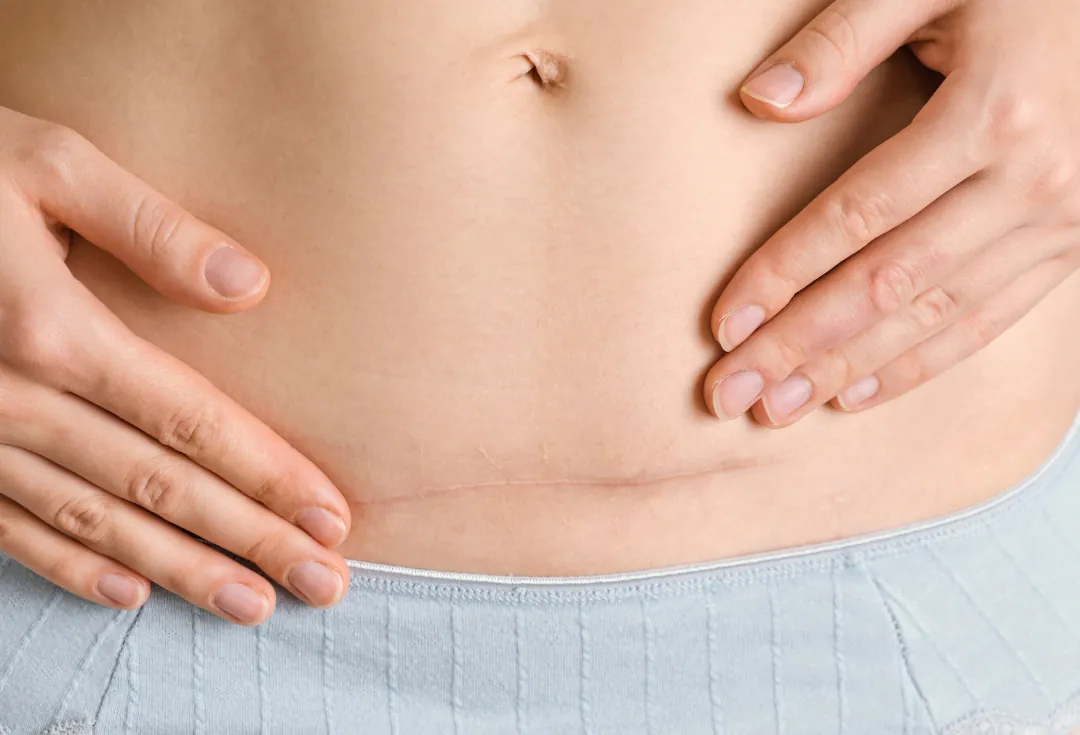
If most of the weight is gone after giving birth but your belly still sticks out as if you were pregnant, it is not necessarily just fat or bloating. A bulge along the midline, especially when you get out of bed, lift your baby or tighten your abdominal muscles, may be diastasis recti (abdominal separation).
Diastasis recti is common after childbirth and is often noticed with the question “Have my abdominal muscles separated?” But it is not only about how many centimeters wide the gap is. How your abdominal wall manages the loads of daily life, your breathing, your posture, your pelvic floor muscles and your ability to control intra-abdominal pressure also matter.
What is diastasis recti?
Diastasis recti is the stretching and widening of the connective tissue (linea alba) between the right and left rectus abdominis muscles at the front of the abdomen, due to pregnancy, increased intra-abdominal pressure or other causes. It is commonly described as “abdominal muscle separation.”
During pregnancy, the growing uterus, hormonal changes and stretching of the abdominal wall cause this process. After birth, the tissues take time to recover. In some people the gap and control of the abdominal wall improve noticeably in the first months, while in others it can persist for longer.
Short answer: A postpartum belly is not always diastasis recti. Fat tissue, swelling, bowel bloating, posture and abdominal wall control can also affect how it looks. That is why diagnosing it based only on what you see in the mirror is not reliable.
What are the symptoms of diastasis recti?
Diastasis recti does not always cause pain. The most commonly noticed sign is a bulge or doming along the midline of the abdomen. It may also come with:
-
A soft, gap-like feeling around the belly button or along the midline
-
Peaking/bulging along the midline when getting out of bed, coughing or lifting
-
Difficulty using your abdominal muscles effectively
-
A feeling of looseness in the belly or “weakness in the core”
-
Changes in posture, discomfort in the low back or around the pelvis
-
A feeling that you cannot rely on your abdomen when moving in daily life
Not everyone with low back pain, urinary incontinence or pelvic floor symptoms has diastasis recti, and not everyone with diastasis recti has these problems. Still, assessing the abdominal wall and pelvic floor together is valuable for planning the right exercises.
Is my belly diastasis recti, fat or bloating?
There is no single-photo answer to this question. Fat tissue usually creates a more evenly spread appearance. Bloating can change during the day with what you eat and your bowel habits. With diastasis recti, a bulge that becomes more visible along the midline, especially with effort or when sitting up, may stand out.
However, these are not definitive diagnostic criteria. The tension of the abdominal wall, the depth of the gap, how the tissue behaves under load and any signs of a hernia should be assessed by a physiotherapist or physician.
Can you test for diastasis recti at home?
At home, you can lie on your back with your knees bent, lift your head and shoulders very slightly and gently feel along the midline around your belly button. You may notice a gap, softness or doming.
But this method is for screening only and does not give a diagnosis. “How many fingers wide is the gap?” is not a sufficient assessment on its own. Finger width varies from person to person; in addition, the depth of the gap, the tension of the connective tissue and how the abdominal wall responds to pressure are at least as important as the width. When needed, a clinical examination and ultrasound can provide a more detailed assessment.
Does diastasis recti go away on its own?
Natural recovery can occur in the first weeks and months after birth. That said, it is also possible to work on abdominal wall control, breathing coordination and everyday movement habits months or even years after giving birth.
The goal here is not just to “close the gap.” The aim is for your abdominal wall to manage pressure better, for bulging during daily activities to decrease, for you to feel stronger and more secure, and for any accompanying symptoms to be addressed.
Which exercises should you avoid with diastasis recti?
There is no single list of forbidden exercises for everyone. Crunches, double leg raises, intense plank variations or heavy loads can make it harder for some people to manage intra-abdominal pressure in the early period. These movements are not automatically harmful in themselves; what matters is whether marked doming appears along the midline during the movement, whether you hold your breath and whether the load suits your current capacity.
If you notice the following signs, it is a good idea to stop the exercise and get assessed:
-
Marked peaking or bulging along the midline of the abdomen
-
Breath-holding and a strong feeling of downward pressure
-
Pain in the low back, pelvis or around a C-section scar
-
Urinary incontinence, heaviness/pressure in the vaginal area
What should diastasis recti exercises look like?
An effective program is not made up of abdominal exercises alone. The pelvic floor, diaphragm, deep abdominal muscles, hip muscles and everyday movement strategies work together. The program varies from person to person but generally includes:
-
Breathing and pressure management: Learning to move without holding your breath.
-
Deep abdominal activation: Improving trunk control without straining the superficial muscles.
-
Pelvic floor–diaphragm coordination: Not just squeezing the pelvic floor, but being able to relax it when needed and work it in sync with your breath.
-
Functional strengthening: Gradually practicing real-life movements such as getting out of bed, picking your baby up from the floor, carrying and returning to exercise.
One-size-fits-all exercise lists found online do not always meet individual needs. If you have a C-section scar, low back pain, constipation, urinary incontinence, symptoms of pelvic organ prolapse or ambitious sports goals, the plan should be even more personalized.
Does a postpartum binder close diastasis recti?
A binder or belly band can provide comfort, support and body awareness for some people in the early period. However, on its own it does not strengthen the muscles or permanently “close” diastasis recti. If needed, a binder should be seen as a temporary tool that supports exercise and changes in daily life.
When should I see a physiotherapist or doctor?
It is helpful to get assessed if you have a marked and persistent bulge in your belly, pain, something that looks like a hernia, urinary/fecal incontinence, a feeling of pressure or heaviness in the vagina, difficulty with daily life or concerns about returning to exercise.
In particular, severe or new abdominal pain, a hard and painful swelling, nausea and vomiting or a suspected hernia require prompt assessment by a physician.
The role of pelvic floor physiotherapy in treating diastasis recti
In pelvic floor physiotherapy, the assessment is not based only on the gap in the abdomen. Breathing habits, abdominal wall activation, intra-abdominal pressure management, posture, movement quality, pelvic floor function and the challenges you face in daily life are examined together.
Your plan is built around your type of delivery, your postpartum stage, your exercise history, any accompanying symptoms and your goals. The goal is not to dismiss aesthetic concerns, but to better support your body in terms of both appearance and function.
Frequently asked questions
Is it too late to work on diastasis recti years after giving birth?
No. Even if years have passed since giving birth, abdominal wall control, strength and everyday movement strategies can still be improved.
Does a C-section cause diastasis recti?
The main cause of diastasis recti is usually the stretching of the abdominal wall during pregnancy; attributing it solely to the type of delivery is not accurate. After a C-section, scar tissue, pain and the return to movement should be assessed separately.
Can diastasis recti heal without surgery?
For many people, function, control and symptoms can improve significantly with the right exercise and load management. Whether surgery is needed is assessed by a physician based on factors such as the presence of a hernia, the severity of symptoms and your individual situation.
Does everyone with diastasis recti have urinary incontinence?
No. However, assessing the abdominal wall, breathing and pelvic floor together becomes especially important when there is urinary incontinence or other pelvic floor symptoms.
Conclusion
Noticing that your belly has not gone down after birth is a very common experience, and this appearance should not be brushed off as “just weight.” The goal of a diastasis recti assessment is not only to measure the distance between two muscles, but to understand how well your abdominal wall supports you in daily life.
With the right assessment and a personalized exercise approach, you can build a stronger, more comfortable and more confident relationship with your postpartum body.
References
-
Benjamin DR, van de Water AT, Peiris CL. Effects of exercise on diastasis of the rectus abdominis muscle in the antenatal and postnatal periods: a systematic review. Physiotherapy. 2014.
-
Gluppe SL, Hilde G, Tennfjord MK, et al. Effect of a postpartum training program on the prevalence of diastasis recti abdominis in postpartum primiparous women: a randomized controlled trial. Physical Therapy. 2018.
-
Emanuelsson P, Gunnarsson U, Strigård K, Stark B. Early complications, pain, and quality of life after reconstruction of abdominal diastasis: the Swedish experience. Surgery. 2016.

Author: Tuğçe Atalay, Specialist Physiotherapist
Last updated:
The information on this page is for general information only and does not replace diagnosis or treatment. Please consult your doctor and physiotherapist about your symptoms.