
Overactive Bladder
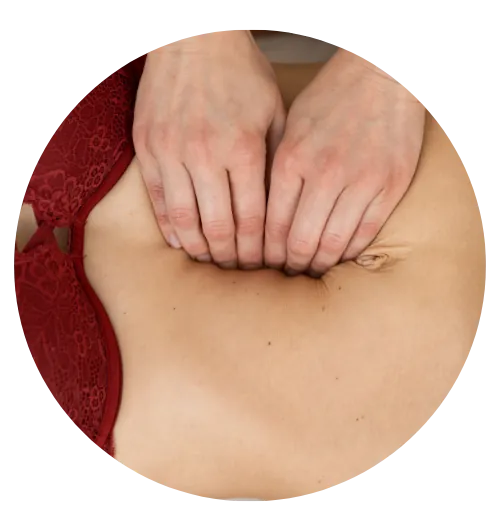
Diastasis Recti
If you're struggling to recover your abdomen after giving birth, and you still feel bloated and have low back pain even though you exercise, you may have diastasis recti. Abdominal muscle separation is not just a cosmetic issue. It also affects your posture and your core muscles. Movements that aren't supported by the right technique can make it worse. Get professional support to make your muscles functional again and regain healthy posture with safe, effective methods.
Tuğçe Atalay
Separated Abdominal Muscles: Understanding Diastasis Recti
Notice the Changes in Your Abdomen
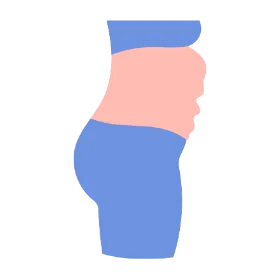
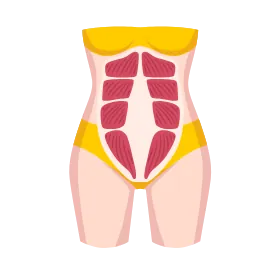
Abdominal muscle separation (diastasis recti), which develops during or after pregnancy, can cause a bulge around the belly button and weakness in the abdominal muscles. This can affect your daily life and your exercise performance.
Get Stronger With the Right Methods
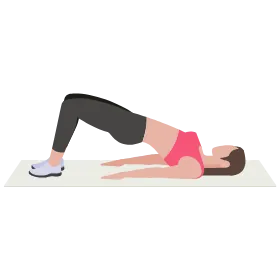
With exercises designed specifically for diastasis recti, you can support your abdominal muscles in a safe, controlled way. By reactivating your abdominal muscles with the guidance of your physiotherapist, you can reduce the separation and regain the functional strength of your core.
Trust Your Body
Abdominal muscle separation doesn't have to be permanent. With professional support and regular exercise, you can regain your body's strength and your self-confidence. Invest in your abdominal health for a stronger, healthier and more comfortable life!
Common and Treatable
Diastasis recti occurs in about 60% of women after childbirth, and in some women the separation can persist for months or even years. With appropriate exercises and the right rehabilitation process, abdominal muscle function can be restored.
"No matter how much I work out, my belly doesn't get better. It always looks bloated."
"It feels like there's a gap in the middle of my belly. When I press on it, it sinks in."
"It feels like my belly has split in two, with a gap down the middle."
Diastasis Recti FAQ

Author: Tuğçe Atalay, Specialist Physiotherapist
Last updated:
The information on this page is for general information only and does not replace diagnosis or treatment. Please consult your doctor and physiotherapist about your symptoms.
Latest Blog Posts

Diastasis Recti
Postpartum Recovery
Painful Intercourse (Dyspareunia)
Vaginismus