
Overactive Bladder
Birth Tears - Perineal Tears
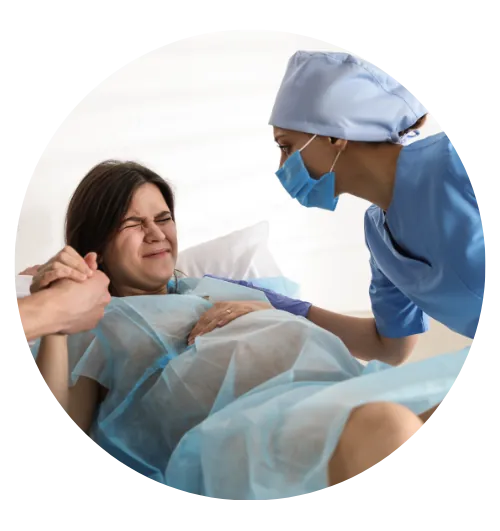
During a vaginal birth, tears can occur in the perineum, the tissue between the vagina and the anus. These tears range in severity from mild superficial grazes to serious tears that reach deeper muscle tissue. Although birth tears usually heal on their own, some women develop pain after stitches, tenderness, pelvic floor dysfunction or discomfort during intercourse. With proper care, pelvic floor physiotherapy and exercises that support tissue healing, these complaints can be prevented. Special perineal massage techniques, breathing work and body awareness exercises support the healing process. Reconnecting with this area after birth is an important part of both physical and emotional recovery.
Birth Tears (Perineal Tears) and the Physiotherapy Approach
Tears in the soft tissue between the vagina and the anus during a vaginal birth are called perineal tears. They happen because of the stretching and pressure as the baby is born. Depending on the degree of the tear, only the skin may be affected, or deeper muscle tissue and even serious structures extending to the anus may be involved. These tears are usually repaired with stitches after birth, but the healing process varies from person to person.
For some women, birth tears leave emotional as well as physical marks. Complaints may include pain and tenderness in the area, a stinging sensation when sitting or having a bowel movement, tension in the pelvic area or discomfort during intercourse. Although these symptoms tend to ease over time, in some cases they persist for a long time and affect quality of life.
This is exactly where pelvic floor physiotherapy comes in. After tissue trauma from childbirth, physiotherapy plays a very important role in supporting the body's natural healing process and restoring balance. Physiotherapy includes:
-
Scar tissue mobilization (using manual therapy techniques) to reduce stiffness and adhesions in the stitched area.
-
Assessment of the pelvic floor muscles, followed by a personalized exercise program for overly tight or weak muscles.
-
Body awareness and breathing work to help women reconnect with their bodies with confidence.
-
Guidance on sitting positions, bowel habits and returning to intercourse.
-
When needed, physiotherapy technologies such as electrical stimulation and biofeedback.
This work speeds up both physical and emotional recovery. Getting to know their bodies again helps women feel stronger and safer after birth. If you feel pain, tightness or discomfort in your perineum after giving birth, seeing a pelvic floor physiotherapist can be an important step in your recovery.
Birth Tears - Perineal Tears FAQ

Author: Tuğçe Atalay, Specialist Physiotherapist
Last updated:
The information on this page is for general information only and does not replace diagnosis or treatment. Please consult your doctor and physiotherapist about your symptoms.
Latest Blog Posts

Diastasis Recti
Postpartum Recovery
Painful Intercourse (Dyspareunia)
Vaginismus