
Overactive Bladder
Constipation in Children
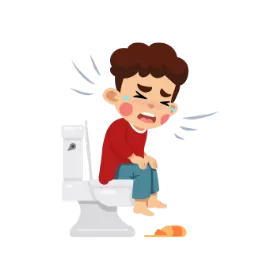
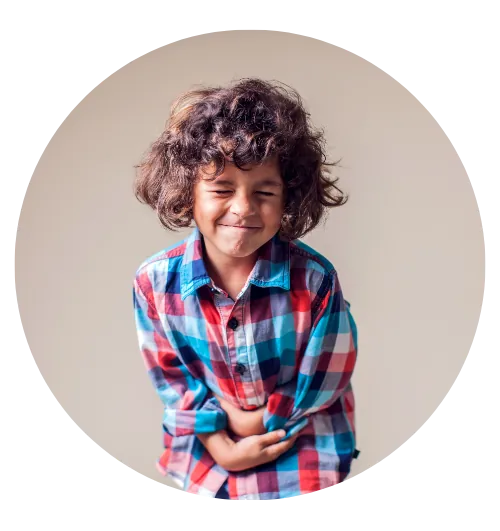
A child who says “I don’t need to go” may actually be trying to tell you they can’t get their poop out. Constipation is very common in children and often hard to spot. When stool stays in the bowel for a long time, it can cause both tummy aches and stool leakage. This is not just about diet; it is also linked to pelvic floor awareness, toilet habits and the balance of the sensory system.
Tuğçe Atalay
Chronic Constipation in Children
When Does Constipation Become a Problem?
Not having a bowel movement for more than 3 days, hard stools, straining, stool leakage and tummy pain are among the clearest signs of constipation. If these symptoms continue for weeks, it is considered chronic constipation.
It’s Not Just a Lack of Fiber
Diet matters, but on its own it is not the solution for chronic constipation. Sensory sensitivity, avoiding the toilet and pelvic floor muscle dysfunction are also among the main reasons constipation continues.
Learning to Push Correctly with Physiotherapy
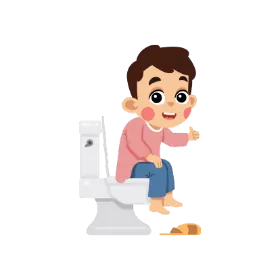
With the right toilet position, diaphragmatic breathing training and relaxation skills, your child relearns how to have a bowel movement. Pelvic floor physiotherapy breaks the cycle and helps restore your child’s confidence and regular bowel habits.
Common and Treatable
About 10-30% of children experience constipation at some point in their lives. It is more common between ages 4 and 6 and in the period after toilet training.
"His tummy is always bloated and gassy, but he says ‘I don’t need to go.’"
"She only goes to the toilet crying. She’s always scared."
"When he does go, the toilet gets clogged. The stool is very large and hard."
Constipation in Children FAQ

Author: Tuğçe Atalay, Specialist Physiotherapist
Last updated:
The information on this page is for general information only and does not replace diagnosis or treatment. Please consult your doctor and physiotherapist about your symptoms.
Latest Blog Posts

Diastasis Recti
Postpartum Recovery
Painful Intercourse (Dyspareunia)
Vaginismus