Anal Atresia
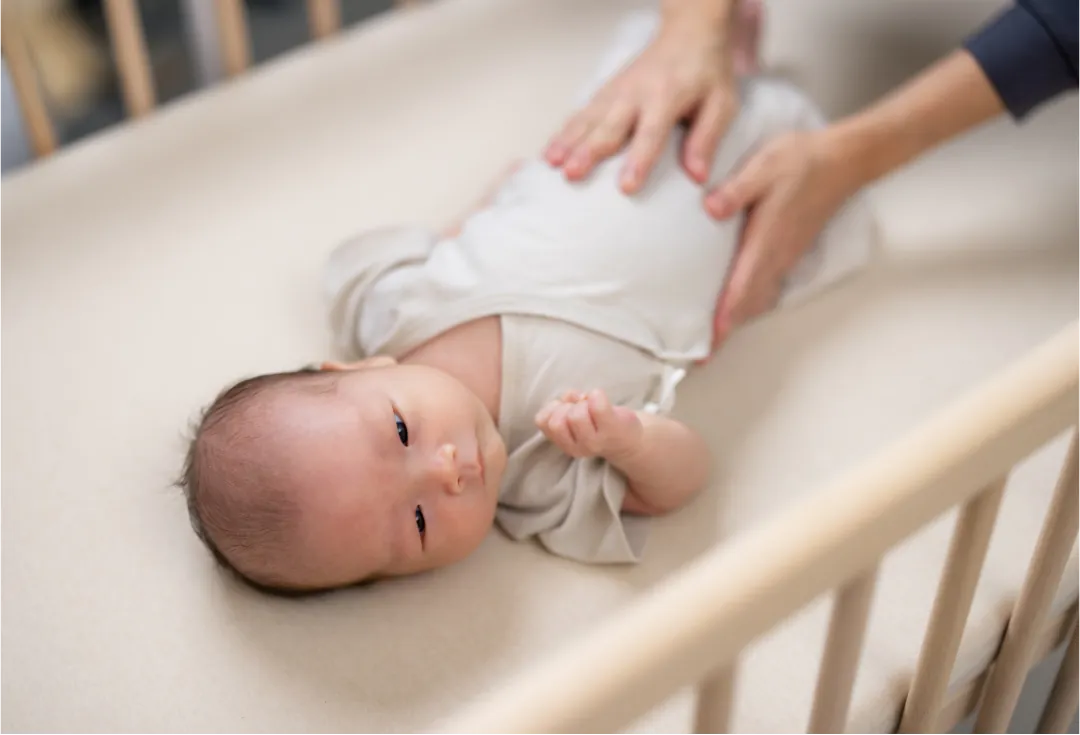
Why Isn't My Baby Pooping?
What is anal atresia, how is it recognized, and how is it treated?
When you notice that your newborn has not passed any stool since birth, it is completely natural to worry. One of the serious but, with early diagnosis, manageable causes of this can be anal atresia.
What is anal atresia?
Anal atresia (also called anorectal malformation) is a congenital structural problem in which the anus either does not form at all or is not where it should be. Sometimes the anal opening remains covered by skin, and sometimes the bowel opens abnormally into the urinary tract or the vagina.
How is it recognized?
What parents notice most often:
-
The baby is unable to pass stool
-
No visible anal opening
-
A swollen, distended belly
-
The baby cannot pass gas or is extremely fussy
In some babies, stool-like fluid may also come out together with urine through small openings called fistulas.
How is it diagnosed?
It is usually noticed right away during the physical examination after birth. For a detailed diagnosis, however, the following are performed:
-
Radiological imaging (ultrasound, X-ray)
-
Detailed anatomical mapping with MRI or a rectal tube.
How is it treated?
Treatment is surgical. The type of operation depends on the baby's specific anomaly:
-
Temporary colostomy: In some babies, the bowel is first brought out through an opening in the abdomen so that stool can temporarily leave the body there.
-
Definitive reconstruction: Later, the anus is surgically moved to its normal position.
With early diagnosis and appropriate surgery, babies can grow and develop normally. In some cases, however, long-term physiotherapy and rehabilitation may be needed for toilet habits and pelvic muscle control.
What happens afterward?
As the baby grows, the following become important:
-
Toilet control,
-
Constipation management,
-
Pelvic floor awareness work,
-
Sensory integration and body awareness games.
This is where physiotherapists come in. Support from a physiotherapist who specializes in pediatric pelvic health plays a major role in helping a child develop bowel and bladder awareness.
Conclusion
If a serious congenital condition lies behind the question "Why can't my baby poop?", early intervention can turn it into a much healthier journey. Children diagnosed with anal atresia can grow into healthy, independent individuals with the right surgery and physical rehabilitation.
As a Specialist Pelvic Physiotherapist, I support children who have been through this process, and their families, with play-based sessions focused on body awareness.
Feel free to contact me for more information or to book a session.

Author: Tuğçe Atalay, Specialist Physiotherapist
Last updated:
The information on this page is for general information only and does not replace diagnosis or treatment. Please consult your doctor and physiotherapist about your symptoms.