Anal Atresia
Why Pelvic Floor Physiotherapy Matters for Children with Anal Atresia
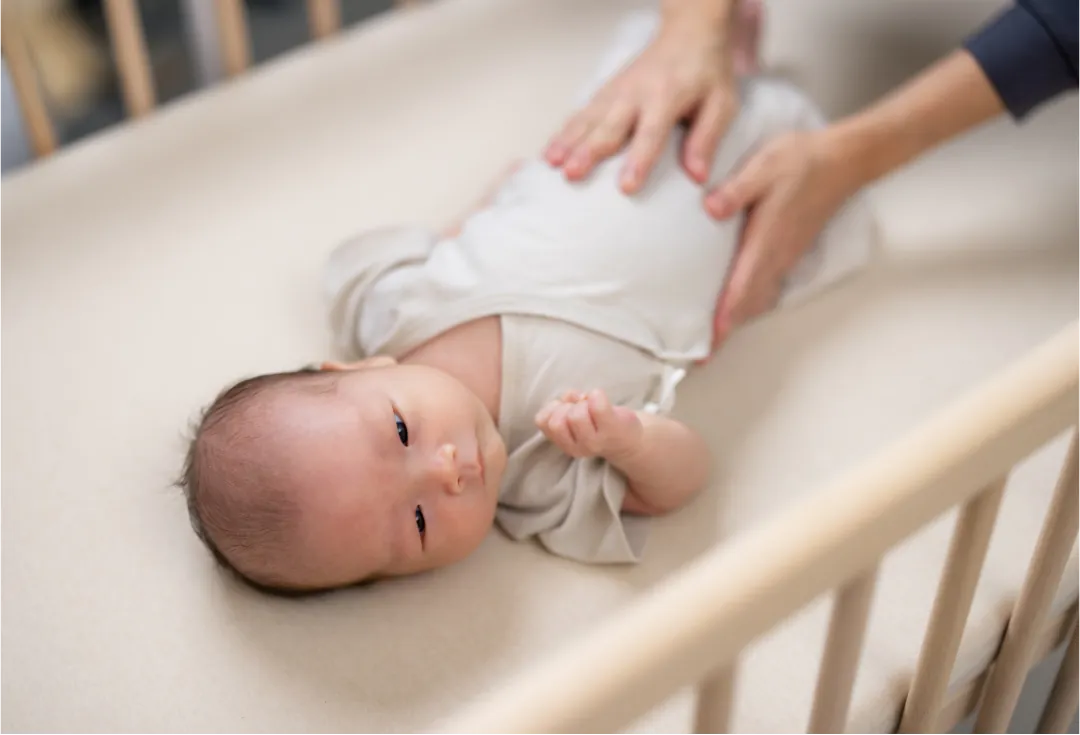
Anal atresia is a congenital condition in which the anus does not develop normally. These children usually undergo surgery after birth, but after the operation they may experience bowel function problems such as fecal incontinence and constipation. This can deeply affect both the child's physical health and their social and psychological development.
Pelvic floor physiotherapy is an effective approach for improving bowel control and quality of life in these children.
The Role of the Pelvic Floor Muscles
A large share of the muscles that control bowel movements are located in the pelvic floor. After anal atresia surgery:
- The pelvic floor muscles may be weak
- Coordination problems may develop
- The reflexes for holding in or emptying stool may be impaired
For this reason, bowel-regulating medications or dietary changes alone may not be enough.
What Does Physiotherapy Involve?
Pelvic floor physiotherapy is tailored to the child's age, developmental level and current symptoms. Treatment includes:
- Pelvic floor awareness training (helping the child recognize the right muscles)
- Muscle coordination exercises
- Biofeedback (learning by watching muscle activity on a screen)
- Correct toilet posture and breathing techniques
- Abdominal massage and relaxation work
Through these approaches, the child relearns how to hold in and empty stool.
Scientifically Proven Benefits
Research shows that in fecal incontinence and constipation after anal atresia, pelvic floor physiotherapy:
- Improves bowel control
- Reduces stool accidents (soiling)
- Significantly eases constipation
- Reduces social anxiety and feelings of embarrassment.
A Message for Families
For children with bowel problems after anal atresia, pelvic floor physiotherapy started early reinforces the results of surgery and helps the child gain independent toileting skills.
This treatment restores the child's self-confidence not only physically but psychologically as well.
Conclusion:
Fecal incontinence and constipation after anal atresia do not have to be your child's fate. With the right physiotherapy program, bowel control can be improved and quality of life raised. Early intervention makes a big difference for both the child and the family.

Author: Tuğçe Atalay, Specialist Physiotherapist
Last updated:
The information on this page is for general information only and does not replace diagnosis or treatment. Please consult your doctor and physiotherapist about your symptoms.