

Overactive Bladder
Chronic Pelvic Pain
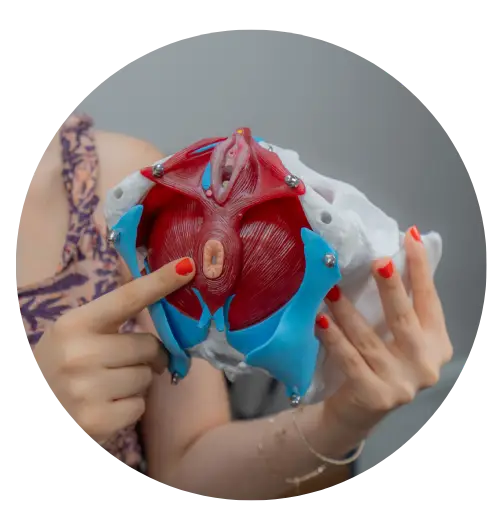
Long-lasting pain in the lower abdomen, groin, anal area or genital area may not be just a local problem; it can be related to sensitization of the entire pelvic system and nerve network. In women, it is associated with endometriosis or pelvic muscle dysfunction; in men, with chronic pelvic pain syndrome (also called chronic prostatitis). This picture usually involves muscle spasms, nerve sensitivity and impaired muscle coordination. Pelvic floor physiotherapy targets both the musculoskeletal system and the autonomic nervous system, focusing on understanding the source of the pain and on functional recovery. Even when the cause hasn't been found for a long time, this kind of pain can be managed with a holistic assessment and individualized therapy.
Tuğçe Atalay
If the Pain Won't Go Away, the Cause May Be Your Pelvic Floor.
What Is Chronic Pelvic Pain?
In both women and men, recurring or constant pain in the groin, lower abdomen, genital area, tailbone or around the anus that lasts longer than 6 months is defined as “chronic pelvic pain.” There may not be a single cause; it can arise from the interaction of many systems, such as the musculoskeletal system, nervous system, urinary tract or digestive system.
Why Does It Happen, and Why Doesn't It Go Away?
Birth trauma, surgery, past infections, bowel problems, urinary tract sensitivity, muscle spasms and even stress and emotional tension can cause this pain. The longer the pain lasts, the more the perception system between the brain and body changes, and the pain becomes not just a physical problem but one that has settled into the nervous system.
How Does Physiotherapy Help It Heal?
Pelvic floor physiotherapy offers a multifaceted approach that includes muscle assessment, a balance of relaxation and activation, breathing work, nervous system regulation and postural awareness. With this individually planned therapy, quality of life improves both by getting to the source of the pain and by building pain-coping skills.
Common and Treatable
According to research, chronic pelvic pain affects 15–20% of women and 2–10% of men; in women it is often linked to endometriosis and muscle dysfunction, and in men to chronic prostatitis/chronic pelvic pain syndrome.
"After I urinate, there's a strange burning and a feeling of fullness."
"I constantly feel pressure and heaviness in my lower abdomen."
"I've had so many tests, and nothing showed up."
Chronic Pelvic Pain FAQ

Author: Tuğçe Atalay, Specialist Physiotherapist
Last updated:
The information on this page is for general information only and does not replace diagnosis or treatment. Please consult your doctor and physiotherapist about your symptoms.
Latest Blog Posts

Diastasis Recti
Postpartum Recovery
Painful Intercourse (Dyspareunia)
Vaginismus