Diastasis Recti
Postpartum Recovery


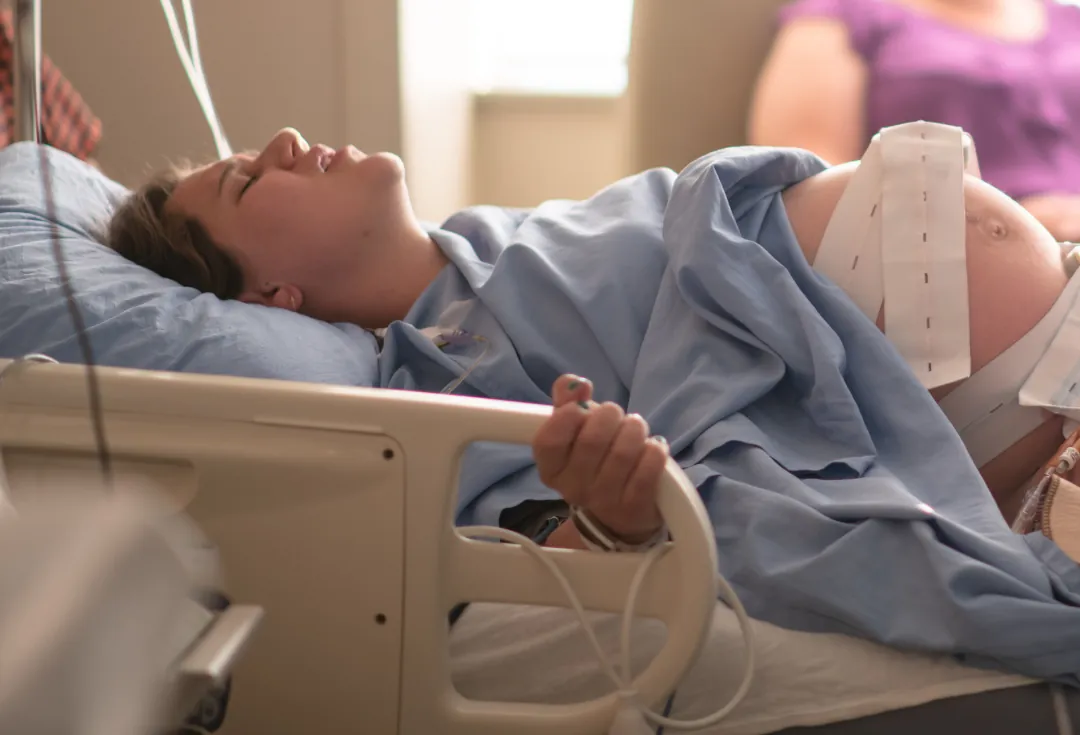
The transition from pregnancy to motherhood is always a major transformation, whether this is your first baby or your third. This period is a journey that brings together intense emotions, physical changes and the process of adjusting to a new life. One moment you may feel filled with happiness, and shortly afterwards find yourself overwhelmed by worry, fear and a sense of not being good enough.
If questions like “Will I be a good mother? Am I really ready? Can I do this?” keep running through your mind, you should know that you are not alone.
The most common emotional ups and downs after giving birth are known as the “baby blues.” Seen in about 70–80% of women, this condition is linked to the sudden hormonal shift after delivery. Lack of sleep, stress, physical exhaustion and environmental factors also play a part. The baby blues usually begin within the first few days after birth and resolve on their own within one to two weeks.
However, if your emotional symptoms last longer than a few weeks and affect your daily life, you may be experiencing postpartum depression (PPD).
Postpartum depression affects about 1 in 7 new mothers. Yet many women do not take these symptoms seriously or hesitate to seek support.
The most common symptoms are:
Feeling constantly sad, restless, angry or hopeless
Crying spells you cannot explain
Sleep problems (insomnia or sleeping too much)
Low energy and fatigue
Loss of interest in yourself or your baby
Difficulty bonding with your baby
Feelings of guilt or inadequacy
Trouble concentrating
Left untreated, this condition can harm both the mother’s own health and her bond with her baby.
Postpartum depression has no single cause. Many biological, psychological and environmental factors can combine to set the stage for it:
Right after birth, estrogen and progesterone levels drop rapidly. This sudden change can have a powerful effect on mood.
Women with a family history of depression are known to be at higher risk.
The changes your body goes through after birth can affect your self-image. Pain, physical exhaustion and pressure to get your old body back can all add to the emotional load.
Women who have previously experienced depression, anxiety or premenstrual syndrome are at higher risk.
Habits such as insufficient sleep, poor nutrition and an inactive lifestyle can worsen depressive symptoms.
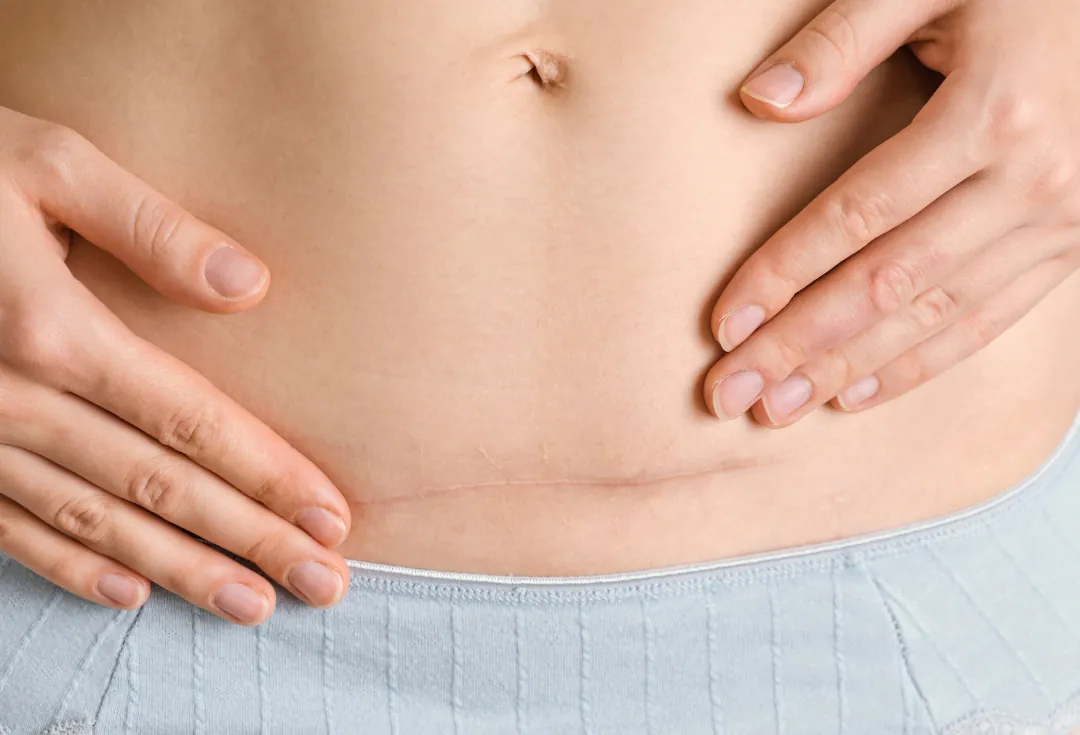
Situations such as an emergency C-section (cesarean section), preterm birth or low birth weight can be emotionally challenging.
Feeling alone, insufficient support from a partner or family, or problems in relationships are also important risk factors.
If the feelings described above grow more intense from the first weeks after birth, if you feel unable to function in daily life, and especially if you are struggling to bond with your baby, it is important to see a healthcare professional.
Remember: Postpartum depression is not a weakness; it is a condition that requires medical and psychological support.
With the right support, mothers can get through this difficult period and reconnect with both their own well-being and their relationship with their baby.

Author: Tuğçe Atalay, Specialist Physiotherapist
Last updated:
The information on this page is for general information only and does not replace diagnosis or treatment. Please consult your doctor and physiotherapist about your symptoms.