Pelvic Floor 101
What Is Pelvic Floor Biofeedback Therapy and How Does It Work?
Many people dealing with urinary incontinence, chronic constipation, difficulty passing stool or pelvic pain are looking up pelvic floor biofeedback therapy, a treatment they have been hearing about more often in recent years. So what is biofeedback therapy? How is it done? Does it really work?
What Is Pelvic Floor Biofeedback Therapy?
Pelvic floor biofeedback therapy is an evidence-based rehabilitation method that displays how your pelvic floor muscles are working on a screen, so you can learn to use these muscles correctly.
Biofeedback is not a device that strengthens your muscles automatically. Its main goal is to help you become more aware of your pelvic floor muscles and learn to contract them at the right time and relax them at the right time.
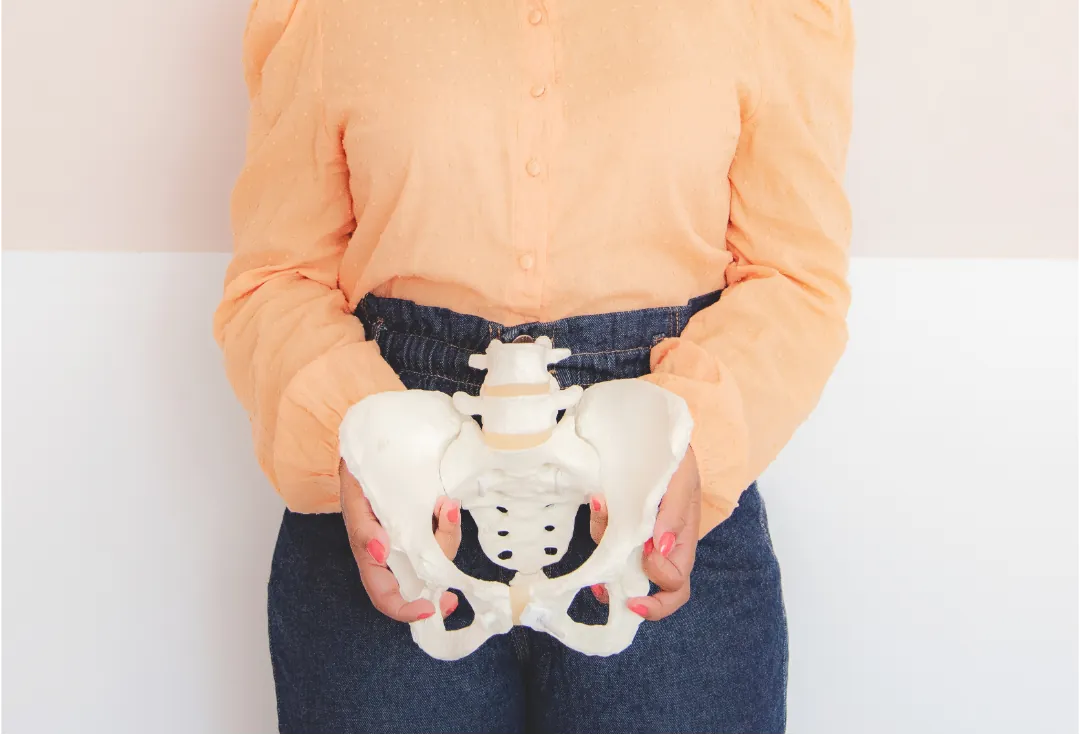
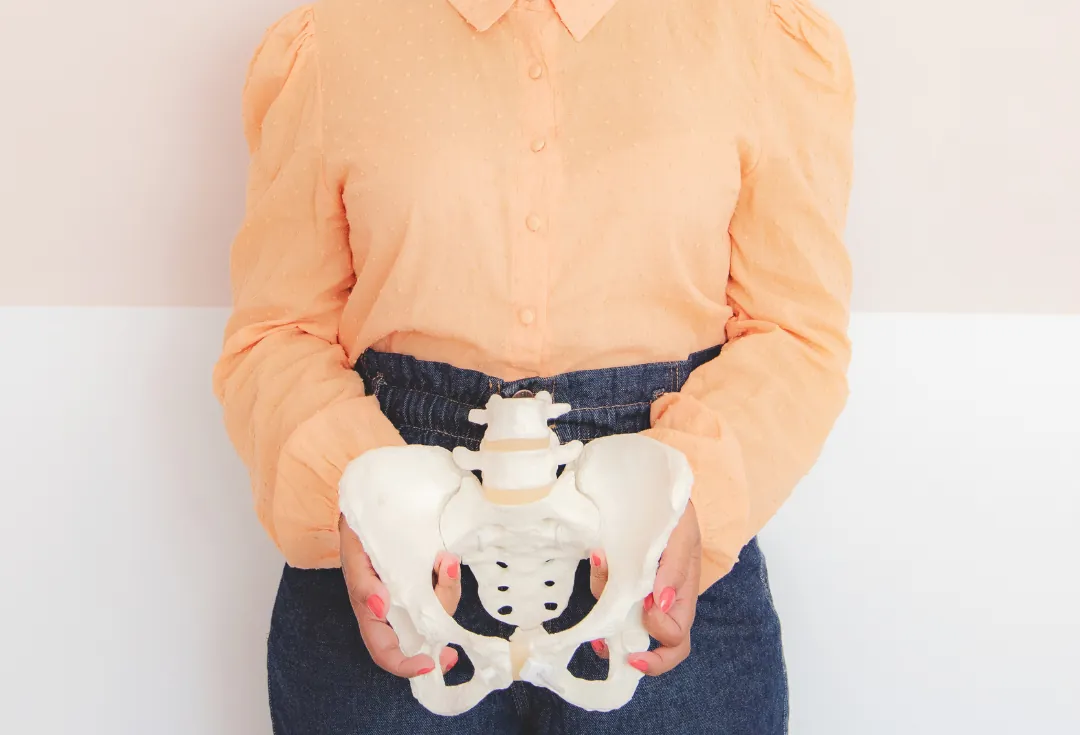
The pelvic floor muscles support the bladder, bowel and reproductive organs and play a key role in bladder and bowel control. Muscles that are too tight or poorly coordinated can cause symptoms just as much as weak muscles can.
When Is Pelvic Floor Biofeedback Used?
As an important part of pelvic floor rehabilitation, biofeedback therapy can be used for:
- Urinary Incontinence
- Frequent urination
- Overactive bladder
- A feeling of not emptying the bladder completely
- Chronic constipation
- Anismus (pelvic floor dyssynergia)
- Difficulty passing stool
- Fecal Incontinence
- Chronic Pelvic Pain
- Some forms of prostatitis and chronic pelvic pain syndrome
- Postpartum pelvic floor dysfunction
Biofeedback can make muscle training more effective, especially if you find it hard to feel your pelvic floor muscles.
How Is Pelvic Floor Biofeedback Therapy Done?
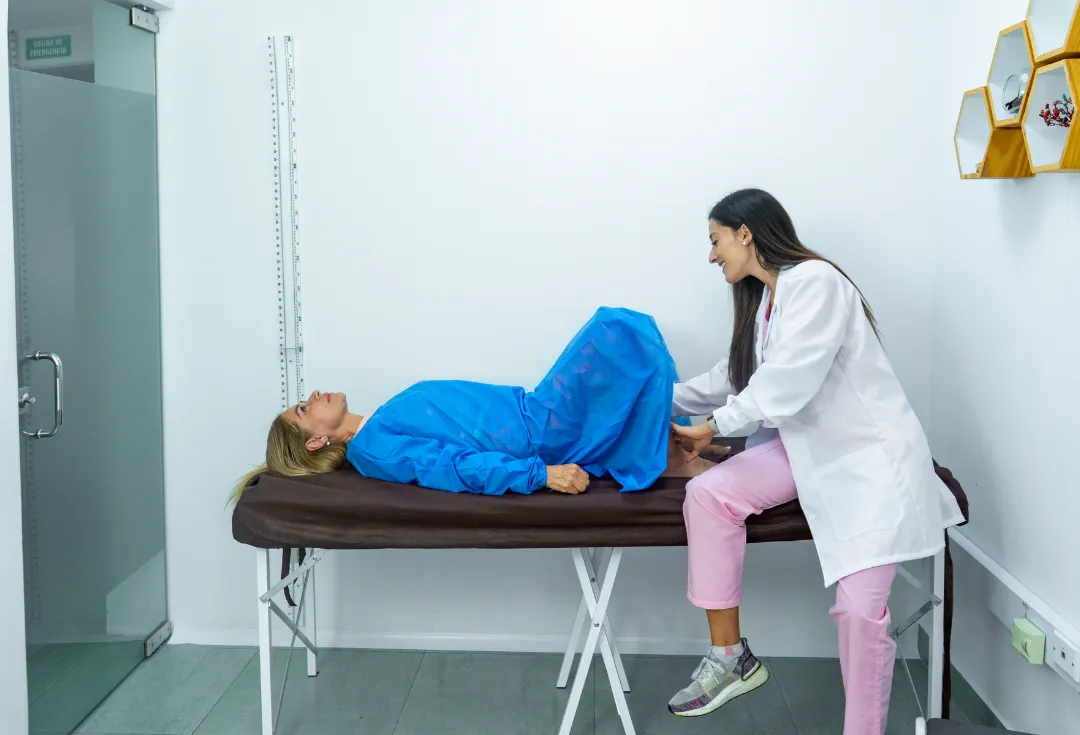
Treatment always starts with a detailed assessment, because not every case of urinary incontinence or constipation has the same cause.
After the assessment, surface electrodes or special sensors are used to measure muscle activity. The data from these sensors is shown on a screen as graphs or game-like visuals.
By watching the screen, you can see in real time:
- When you are able to contract your pelvic floor muscles,
- How much force you produce,
- How well you can relax your muscles,
- How they coordinate with your abdominal muscles and breathing
as it happens.
Using this visual feedback, the physiotherapist teaches you how to use your muscles correctly.
What Happens During a Biofeedback Session?
A biofeedback session is much more than just using a device.
During the session, the following are planned individually for you:
- Diaphragmatic breathing training,
- Pelvic floor muscle awareness,
- Relaxation exercises,
- Training in correct contraction,
- Coordination of the abdominal and pelvic floor muscles,
- Adjusting bowel and bladder habits,
- Advice for daily life,
- A home exercise program
based on your needs.
This is why biofeedback is only one part of comprehensive pelvic floor physiotherapy.
Is Biofeedback Therapy Painful?
No. Pelvic floor biofeedback therapy is generally a painless and safe method.
The sensors measure muscle activity so you can see on screen how your muscles are working. Most patients say they start to feel their muscles better during the sessions.
Does Biofeedback Work for Urinary Incontinence?
Scientific studies show that pelvic floor muscle exercises are one of the first-line treatments for urinary incontinence.
Biofeedback helps make muscle training more effective, especially for people who struggle to isolate their pelvic floor muscles. Research shows that exercises done with biofeedback help reduce symptoms and improve quality of life.
Why Is Biofeedback Important for Chronic Constipation and Anismus?
One of the areas where biofeedback has the strongest scientific evidence is chronic constipation and anismus caused by poor pelvic floor coordination.
During a normal bowel movement, the pelvic floor muscles need to relax. In some people, however, the muscles contract instead, making it harder to pass stool. This is called "dyssynergic defecation" or "anismus".
Research shows that in this group of patients biofeedback can achieve better results than medication. Studies have reported long-term symptom improvement in about 70-80% of patients.
For this reason, international guidelines list biofeedback among the recommended treatments for defecation disorders caused by the pelvic floor.
How Many Sessions Do You Need?
The length of treatment varies from person to person.
How long you have had symptoms, how your pelvic floor muscles function, any accompanying bowel or bladder problems and how consistently you follow your exercise program can all affect the number of sessions.
So rather than naming a standard number of sessions, it makes more sense to plan a rehabilitation program tailored to you.
Conclusion
Pelvic floor biofeedback therapy is an evidence-based method that lets you see how your pelvic floor muscles work and aims to teach correct muscle control.
Combined with pelvic floor physiotherapy, it offers significant benefits, particularly for urinary incontinence, chronic constipation, anismus, difficulty passing stool and some types of pelvic floor dysfunction.
However, biofeedback is not a stand-alone device treatment. The best results come from combining it with a thorough assessment, a personalized exercise program, breathing training and lifestyle changes.
References
1. Hite, M., & Curran, T. (2021). Biofeedback for pelvic floor disorders. Clinics in colon and rectal surgery, 34(01), 056-061.
2. Hagen, S., Elders, A., Stratton, S., Sergenson, N., Bugge, C., Dean, S., ... & McClurg, D. (2020). Effectiveness of pelvic floor muscle training with and without electromyographic biofeedback for urinary incontinence in women: multicentre randomised controlled trial. bmj, 371.
3. Kopańska, M., Torices, S., Czech, J., Koziara, W., Toborek, M., & Dobrek, Ł. (2020). Urinary incontinence in women: biofeedback as an innovative treatment method. Therapeutic advances in urology, 12, 1756287220934359.

Author: Tuğçe Atalay, Specialist Physiotherapist
Last updated:
The information on this page is for general information only and does not replace diagnosis or treatment. Please consult your doctor and physiotherapist about your symptoms.