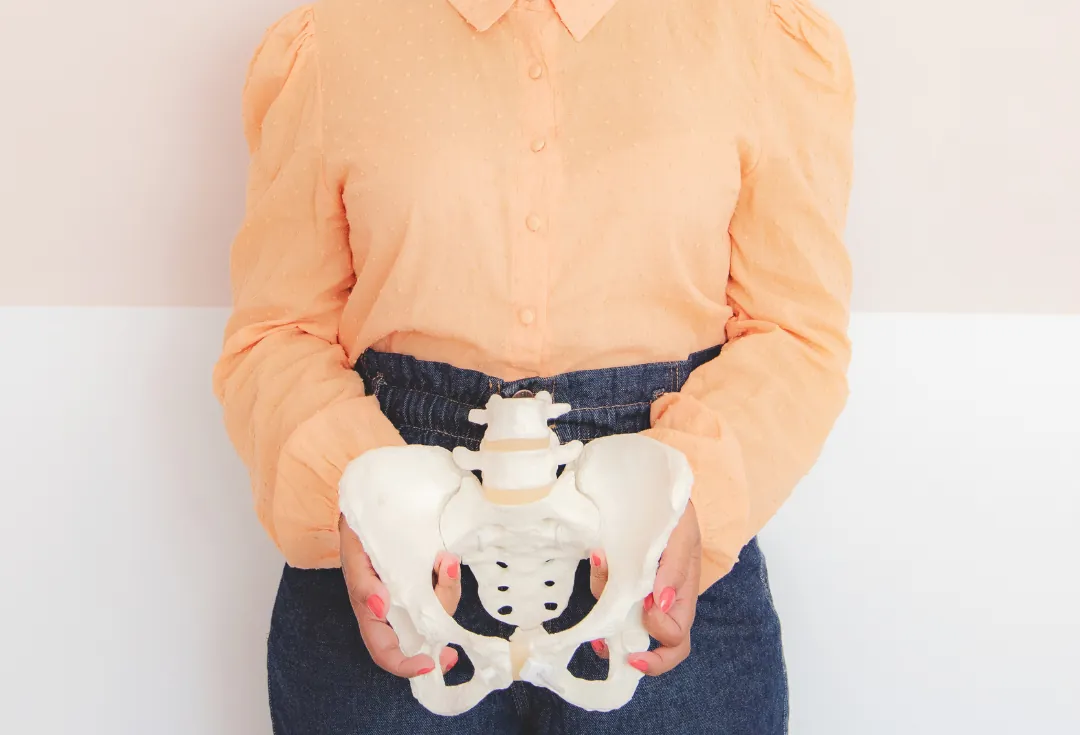
Pelvic Floor 101
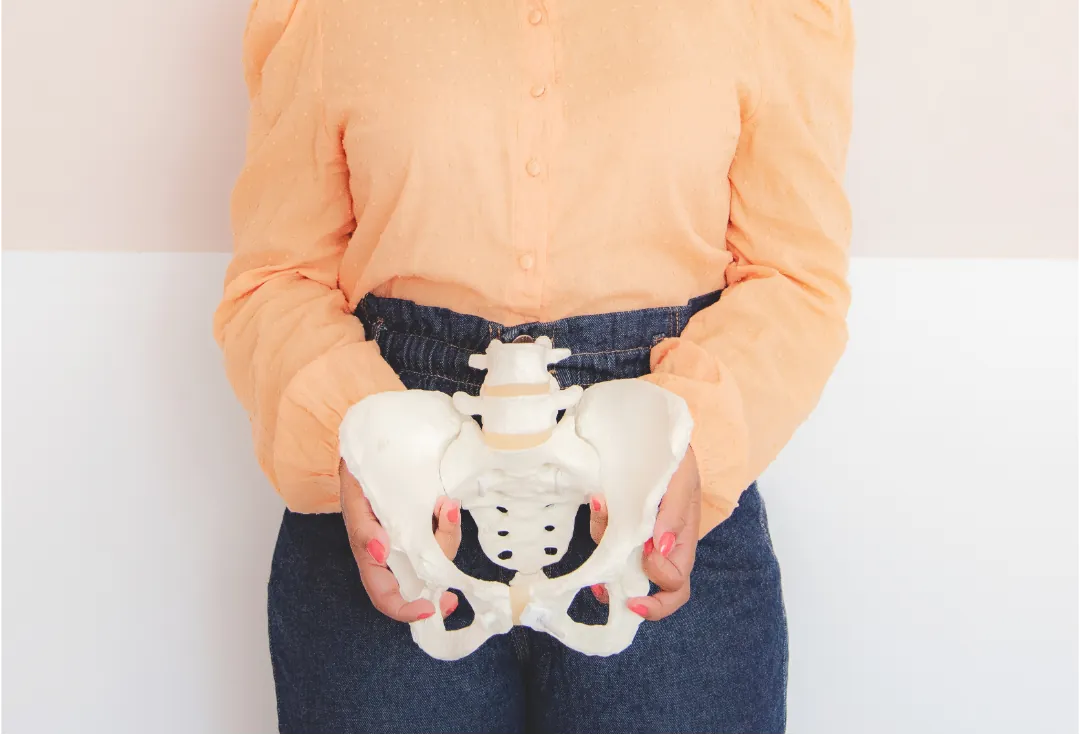
What Are Kegel Exercises and How Do You Do Them? Why Most People Get Them Wrong
What Are Kegel Exercises and How Do You Do Them?
When people hear “pelvic floor muscles,” they think of "Kegel exercises." And when they hear “Kegel exercises,” most people think of just one thing: “Squeeze and release.”
Scientific literature, however, defines Kegels not just as muscle strengthening, but as a “muscle training program” targeting strength, endurance, speed and, most critically, relaxation/coordination.
This distinction matters a lot, because:
- For some people, the problem is not muscle weakness but excessive tension and an inability to relax.
- Incorrect, “squeeze”-focused Kegels can make some symptoms worse (especially pelvic pain, pain during intercourse and constipation).
What Do Kegel Exercises Do?
Kegels show their strongest evidence in the treatment of urinary incontinence: scientific studies have shown that Kegels are effective for involuntary urinary leakage in women.
That is why many national and international guidelines recommend pelvic floor exercises as the first-line approach for stress or mixed urinary incontinence.
Guidelines also emphasize first confirming that the pelvic floor muscles are actually contracting correctly. Exercising “without finding the right muscle” is pointless and won’t help.
Are Kegel Exercises Right for Everyone?
No, Kegels may not be right for everyone.
If you have any of the following, it is better to have a pelvic floor physiotherapist assess you first instead of doing “classic squeeze-squeeze-squeeze Kegels”:
- Pain in the vaginal/penile/pelvic area, pain during intercourse
- Incomplete emptying, straining to urinate
- Straining with constipation, difficulty passing stool
- A feeling during a tampon or internal exam that “the muscles are always tight,” inability to relax
For these people, the goal is usually relaxation + breathing + coordination first, and strengthening afterward only if needed.
How Do You Do Kegels Correctly?
1) Take the “Which muscle am I working?” test
Although the classic “as if you’re holding in urine” cue works for some people, making a routine habit of stopping your urine stream on the toilet to practice is not recommended, because it can disrupt your habits and voiding patterns.
A better mental image to try:
- Gather around the anus–vagina/urethra “inward and upward” (like an elevator)
- But at the same time, no squeezing your buttocks / locking your legs together / sucking in your belly.
2) Do it with your breath: “Breath = pressure control”
The pelvic floor, diaphragm and abdominal wall regulate our intra-abdominal pressure.
- When you breathe in: the pelvic floor naturally descends and widens a little (relaxation)
- When you breathe out: drawing the pelvic floor “inward and upward” is easier for most people
So the most practical formula for getting started:
- Breathe in through your nose → let go/soften
- Breathe out through your mouth → draw the pelvic floor in at 30–50%
3) Quality > strength: 3 golden checkpoints
Signs that “I’m doing it right” you can check in a mirror or by feel with your hand:
- Your belly doesn’t harden and push out (no excessive bearing down)
- Your buttocks don’t clench rock-hard
- You aren’t holding your breath
When Are Kegels More Effective? Why Does Working With a Pelvic Floor Physiotherapist Matter?
Kegels alone are not always enough. That is why pelvic floor rehabilitation programs delivered by pelvic floor physiotherapists are preferred.
NICE specifically recommends supervised pelvic floor rehabilitation as first-line treatment for urinary incontinence. It also says not to start a program without confirming that the person can contract the right muscle.
The same guideline also states that perineometry/EMG biofeedback should not be used routinely.
Who Are Kegel Exercises Recommended For?
Most often:
- Stress urinary incontinence (leaking when coughing, sneezing or jumping)
- Mixed incontinence
- Postpartum recovery
- Symptoms of prolapse,
Frequently Asked Questions
How long do Kegel exercises take to work?
It’s not a “miracle in a week.” Guidelines generally point to a regular program of at least 3 months.
Should you tighten your abs while doing Kegels?
Usually not. But coordination with the “deep core” is a different thing. The right goal is not to suck in and harden your belly, but to achieve harmony between breath, pressure and the pelvic floor.
Are Kegels harmful?
For the right person, with the right technique, they are generally safe. But in people whose pelvic floor is already tense, a “squeeze only” approach can make symptoms worse. (That is why the definition of pelvic floor physiotherapy also includes “relaxation.”)
Mini Home Test: “Could I Be Doing Kegels Correctly?”
If you answer yes to the 3 questions below, you are on the right track:
- Does my breath keep flowing while I contract?
- Do I feel an “inward and upward” lift without squeezing my buttocks and legs?
- After each contraction, can I really let go and relax?
If you answer “no” to 2 or more, you should seek support.

Author: Tuğçe Atalay, Specialist Physiotherapist
Last updated:
The information on this page is for general information only and does not replace diagnosis or treatment. Please consult your doctor and physiotherapist about your symptoms.