Interstitial Cystitis (Bladder Pain Syndrome)
Interstitial Cystitis: 15 Most Frequently Asked Questions
If you constantly feel pressure or pain in your bladder, or a frequent need to urinate, yet your urine tests keep coming back clear, one of the first questions on your mind is probably this: “Could I have interstitial cystitis?”
Interstitial cystitis (bladder pain syndrome) is a chronic condition that causes pain in the bladder and pelvic region. Yet many patients go from one complaint to another for a long time before they get a diagnosis. I have put together the most frequently searched questions online, with short answers, for you.
1. What is interstitial cystitis?
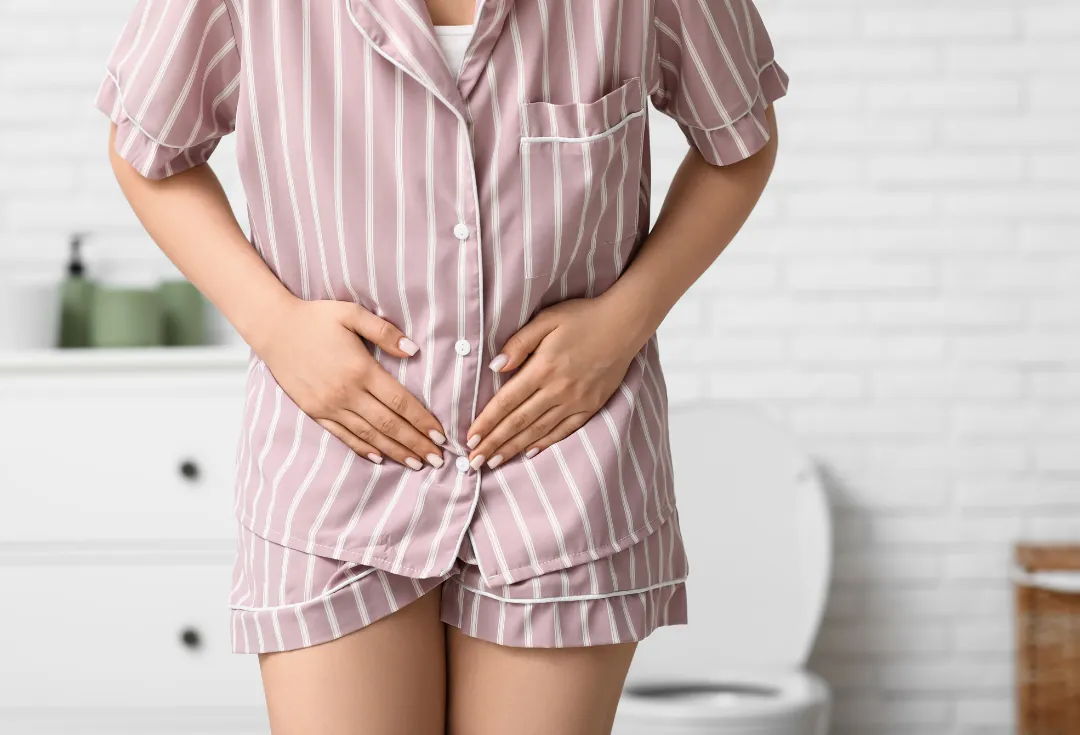
Interstitial cystitis is a chronic bladder condition characterized by bladder pain, a feeling of pressure and frequent urination that get worse as the bladder fills.
Most patients do not have a urinary tract infection, although the symptoms can resemble one.
2. What are the symptoms of interstitial cystitis?
The most common symptoms are:
- Lower abdominal or bladder pain that increases as the bladder fills
- Frequent urination
- Waking up often at night to urinate
- Pain that eases once the bladder is emptied
- A feeling of pressure in the pelvic area
- Pain during sexual intercourse
Some people also experience pain that spreads to the vagina, penis, groin or tailbone.
3. What is the difference between interstitial cystitis and regular cystitis?
Regular cystitis is usually caused by a bacterial infection and is treated with antibiotics.
With interstitial cystitis, on the other hand:
- The urine culture usually comes back clear
- Antibiotics often do not help
- The problem is sensitivity of the bladder wall and surrounding tissues.
4. Why does my bladder hurt when my urine test is normal?
Bladder pain does not always mean infection.
In some cases, the pain may be caused by:
- Sensitivity of the bladder wall
- Nervous system sensitization
- Overactivity (excessive tension) of the pelvic floor muscles
- Misinterpreted bladder-filling signals
among other possible causes.
5. What causes interstitial cystitis?
The exact cause is not fully known.
Research suggests that several factors may play a role:
- Damage to the protective lining of the bladder wall
- Heightened sensitivity of the nervous system
- Changes in the immune system
- Chronic tension in the pelvic floor muscles
In most patients, these factors occur together.
6. Does stress make interstitial cystitis worse?
Yes, many patients notice their symptoms flare up during stressful periods.
Under stress:
- The pelvic floor muscles may tighten even more
- The bladder nerves may become more sensitive
That is why stress management and body awareness work are an important part of treatment.
7. Can the pelvic floor muscles cause interstitial cystitis?
In some patients, the main cause of bladder pain is pelvic floor muscles that stay constantly contracted.
This can:
- Put pressure on the bladder
- Increase the urge to urinate
- Cause pain in the pelvic region.
For this reason, pelvic floor physiotherapy is recommended in many international guidelines.
8. Does physical therapy help interstitial cystitis?
Research shows that pelvic floor physiotherapy can reduce symptoms in many patients.
Physiotherapy usually includes:
- Assessment of the pelvic floor muscles
- Muscle relaxation techniques
- Body awareness exercises
- Breathing work
- Manual therapy
- Biofeedback
as part of the program.
The goal is not to “strengthen” the muscles but to restore their function.
9. Does interstitial cystitis ever go away completely?
With treatment, symptoms decrease considerably over time.
For most patients, the treatment approach is built around:
- reducing symptoms
- controlling flare-ups
- improving quality of life
as its main goals.
10. Which foods can make interstitial cystitis worse?
In some patients, the following can aggravate symptoms:
- coffee
- alcohol
- carbonated and acidic drinks
- tomatoes
- citrus fruits
- very spicy foods
However, not every patient is affected in the same way.
11. Does drinking coffee make interstitial cystitis worse?
Caffeine is a bladder stimulant.
In some people, it can therefore increase:
- urinary frequency
- bladder sensitivity
- pain
as a result.
12. Does interstitial cystitis affect sex?
Some patients experience pelvic pain during or after sexual intercourse.
This is often linked to excessive tension in the pelvic floor muscles.
13. Are interstitial cystitis and IBS (irritable bowel syndrome) related?
Yes, research shows that IBS and other chronic pain syndromes are more common in people with interstitial cystitis.
This may be related to increased sensitivity in the nervous system.
14. Can interstitial cystitis be mistaken for bladder cancer?
The symptoms can sometimes be similar.
That is why doctors usually rule out other conditions with tests such as:
- urine tests
- ultrasound
- cystoscopy, if needed
before making a diagnosis.
15. What matters most with interstitial cystitis?
The most important thing is an accurate assessment.
In many patients with bladder pain, the problem is not limited to the bladder; it may also involve the pelvic floor muscles and the nervous system.
That is why a multidisciplinary approach (urology + physiotherapy) is often the most effective.
✔ If you have bladder pain, frequent urination or a feeling of pressure in the pelvic area and your urine tests come back normal, a pelvic floor assessment may be helpful.
For more information:
www.tugceatalay.com

Author: Tuğçe Atalay, Specialist Physiotherapist
Last updated:
The information on this page is for general information only and does not replace diagnosis or treatment. Please consult your doctor and physiotherapist about your symptoms.