Diastasis Recti
Postpartum Recovery

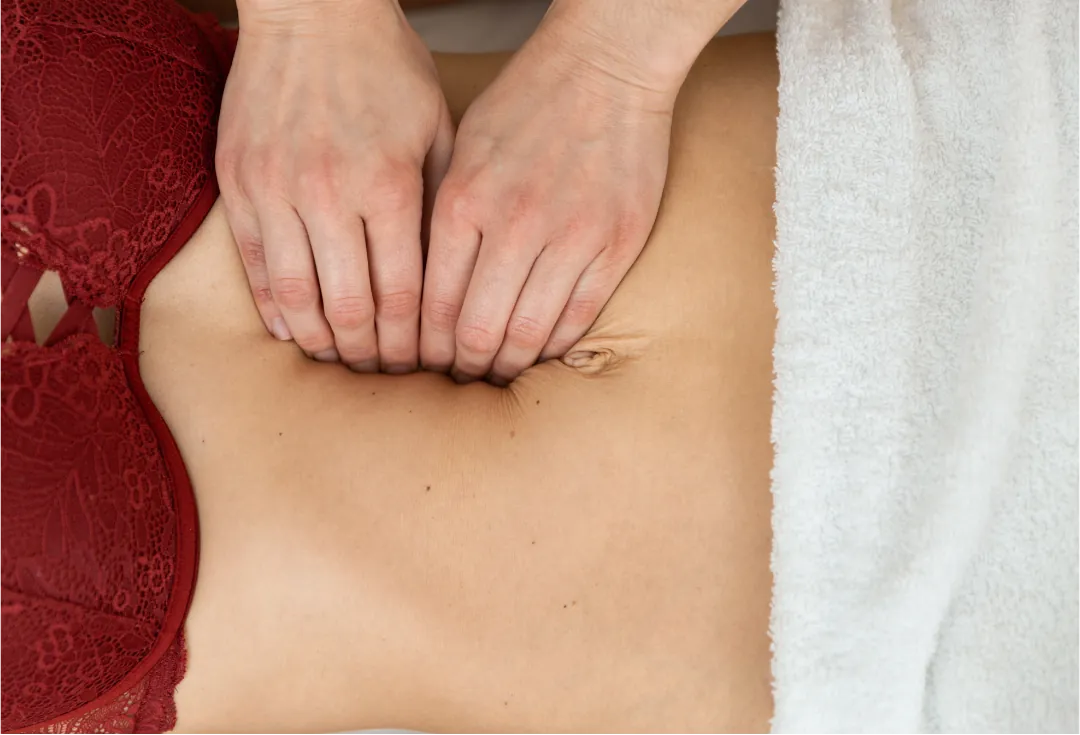
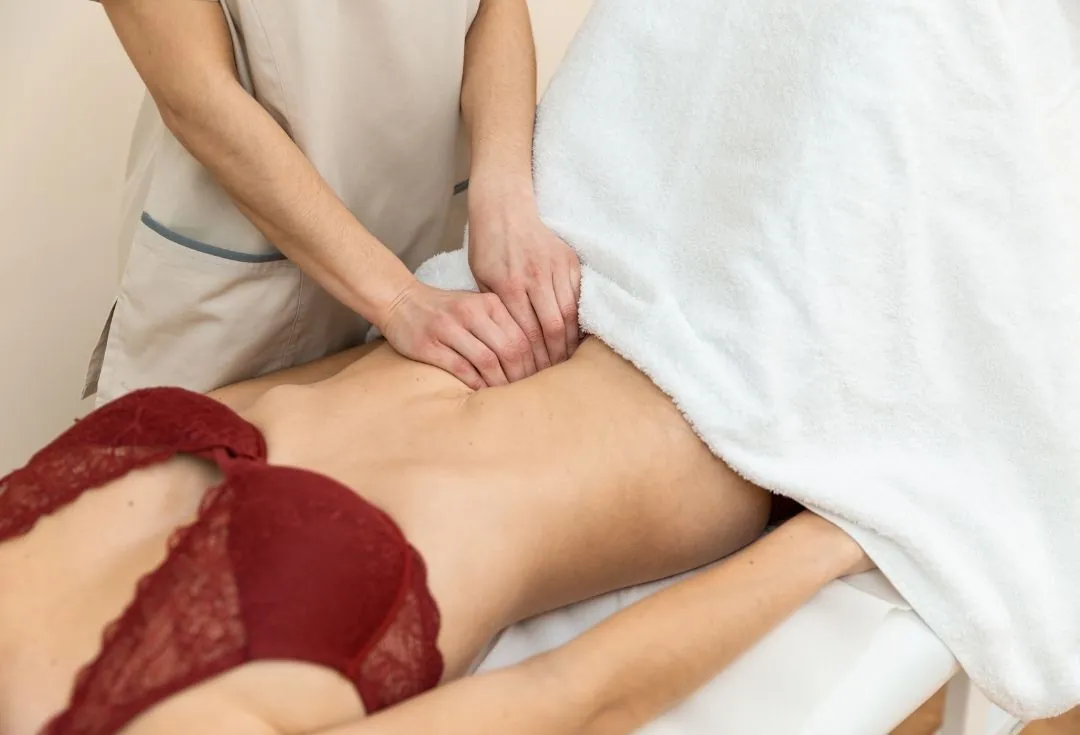
If, after giving birth, you notice a bulge in your belly that won't flatten, especially a doming or a soft gap around the belly button, the cause may be diastasis recti. Beyond being a cosmetic concern, this condition matters for your core stability, posture, breathing, and the support of your internal organs. So can diastasis recti heal with exercise, or is surgery a must?
Diastasis recti is a condition in which the connective tissue in the middle of the front abdominal muscles, known as the rectus abdominis (the linea alba), is strained and widens during pregnancy, causing the muscles to separate to either side. It is especially common after childbirth. In some cases, however, this separation does not close on its own and treatment may be needed.
Signs can include:
A soft bulge or doming at the level of the belly button
Noticeable weakness in the abdominal muscles
Low back pain and poor posture
Weakness or instability during certain movements
Yes, the vast majority of diastasis recti cases can improve with individualized exercise programs guided by a physiotherapist. What matters here, though, is not so much which exercise you do, but how you do it.
Incorrect exercises (for example, traditional crunches, plank positions that create high pressure, etc.) can widen the abdominal separation.
The right exercise approach, on the other hand, is a holistic program in which intra-abdominal pressure is managed in a controlled way, the breath, core, and pelvic floor muscles work together, and postural awareness is included.
Programs like these can bring significant improvements not only in appearance but also in function.
Surgery is not always the first option. In some situations, however, it may need to be considered:
If the gap between the abdominal muscles is more than 4–5 cm
If there is significant strain during physical activity or a hernia develops
If there is no clinical improvement despite long-term physiotherapy
In these cases, you may need to consult a plastic surgeon or a general surgeon. Even so, the first priority is to complete the physiotherapy process and assess it objectively.
Diastasis recti is a common condition during postpartum recovery that is often overlooked or mismanaged. It should be addressed with an approach that works both cosmetically and functionally. Since the chances of recovery with exercise are high, early assessment and the right guidance are very important.
If you'd like to regain your core strength after giving birth, have your diastasis recti assessed, and support the process with an exercise program tailored to you, feel free to get in touch.

Author: Tuğçe Atalay, Specialist Physiotherapist
Last updated:
The information on this page is for general information only and does not replace diagnosis or treatment. Please consult your doctor and physiotherapist about your symptoms.