


Overactive Bladder
Bedwetting (Nocturnal Enuresis)
Bedwetting in children can happen when the sensory system, the communication between the bladder and the brain, and the pelvic floor muscles are not yet working fully in sync. With exercises that build pelvic floor awareness, sensory-based work and a safe therapeutic relationship, children can spend the night dry and confident. A child who understands their body also discovers their own strength.
Tuğçe Atalay
Wetting the Bed and Physiotherapy
The Senses, the Bladder and a Body That Doesn’t Wake Up
Most children who wet the bed cannot sense the signal that their bladder is full, or they do not wake up in response to it. Their nervous system may not yet be mature enough for nighttime control. This is a physiological delay, not a lack of willpower.
Lack of Pelvic Floor Awareness
Not being able to feel the pelvic floor muscles, or not having learned when to relax and when to contract them, can trigger bedwetting. When children learn to connect with their pelvic floor muscles, their ability to control the urge to pee improves too.
A Gentle, Body-Friendly, Medication-Free Approach
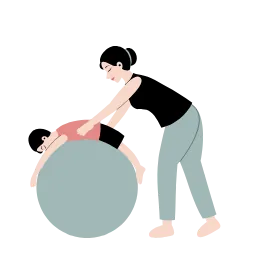
Pelvic floor physiotherapy helps children get to know their own bodies through play-based exercises, pelvic floor training, sensory regulation work and breathing techniques. Throughout the process, your child learns with support, without shame or blame. The goal is to stay dry every night and grow up confident.
Common and Treatable
Research shows that about 15% of 5-year-olds, 10% of 7-year-olds and 5% of 10-year-olds still wet the bed regularly.
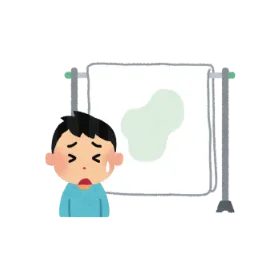
"We change the sheets every night. We just don’t know what to do anymore."
"We thought they’d grow out of it, but it’s still happening."
"We wake them up to use the toilet at night, but sometimes they still wet the bed."
Bedwetting (Nocturnal Enuresis) FAQ
Related Content

Author: Tuğçe Atalay, Specialist Physiotherapist
Last updated:
The information on this page is for general information only and does not replace diagnosis or treatment. Please consult your doctor and physiotherapist about your symptoms.
Latest Blog Posts

Diastasis Recti
Postpartum Recovery

Painful Intercourse (Dyspareunia)
Vaginismus