

Overactive Bladder
Pelvic Floor Rehabilitation
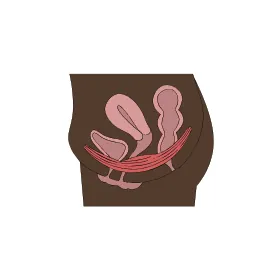
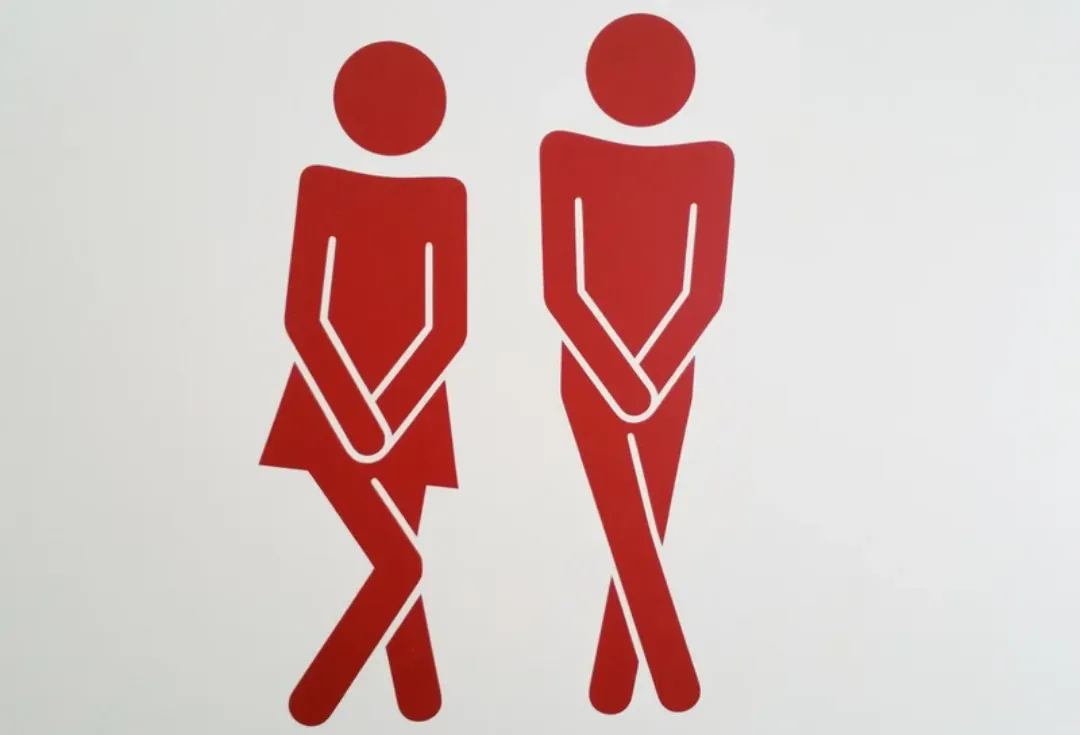
Pelvic floor dysfunction covers many different conditions, including urinary incontinence, frequent urination, sudden urgency, fecal incontinence, chronic constipation, straining to pass stool, pelvic pain, pain during intercourse, vaginismus, erectile dysfunction and problems after prostate surgery. Pelvic floor rehabilitation aims to help people with these complaints contract and relax their pelvic floor muscles at the right time and use them in harmony with the rest of the body. This approach, suitable for women, men and children, provides effective support across a wide range of issues, from postpartum recovery to chronic pelvic pain and from bowel and bladder problems to sexual dysfunction. It can also be used preventively, not only for people with symptoms but also for those who want to protect their pelvic floor health and increase their body awareness.
Tuğçe Atalay
Pelvic Floor Rehabilitation
What Is Pelvic Floor Rehabilitation?
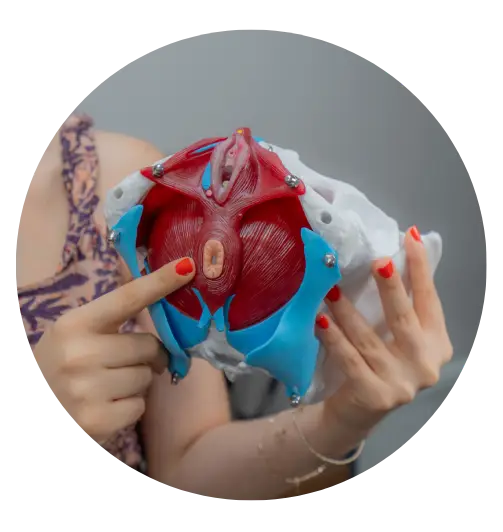
Pelvic floor rehabilitation is a physiotherapy approach that aims to get the pelvic floor muscles working correctly again in problems such as urinary and fecal incontinence, constipation, sexual dysfunction and pelvic pain.
How Is Pelvic Floor Rehabilitation Done?
Rehabilitation begins with a detailed assessment and is planned individually. Exercises, breathing work, manual therapy and, when needed, biofeedback are used together. Throughout the process, the patient’s body awareness is increased with the aim of lasting improvement.
Who Is Pelvic Floor Rehabilitation For?
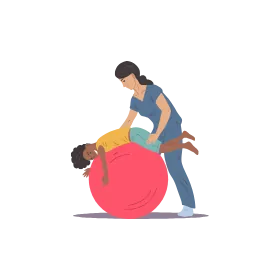
Pelvic floor rehabilitation can be used for urinary incontinence, constipation, chronic pelvic pain, sexual function problems, neurogenic bladder and during postpartum recovery. It is suitable for women, men and children, and it benefits anyone with symptoms or anyone who wants preventive support.
Common and Treatable
According to scientific studies, pelvic floor muscle training can improve symptoms by 50–70%, especially in people with urinary incontinence.
"I always have to look for a toilet; even going out has become stressful."
"I have a lot of pain during sex."
"Even after a bowel movement, I still feel like my bowels haven’t fully emptied."
Pelvic Floor Rehabilitation FAQ

Author: Tuğçe Atalay, Specialist Physiotherapist
Last updated:
The information on this page is for general information only and does not replace diagnosis or treatment. Please consult your doctor and physiotherapist about your symptoms.
Latest Blog Posts

Diastasis Recti
Postpartum Recovery

Painful Intercourse (Dyspareunia)
Vaginismus