

Overactive Bladder

Painful Intercourse (Dyspareunia)
Do you have difficulty during intercourse with your partner, or do you hesitate to even try? Treating painful intercourse does more than increase pleasure; it is also good for your mental health. Sexual dysfunction can lead to depression and anxiety. You may worry that physiotherapy will be uncomfortable. However, many patients have less pain and a noticeably better sex life after pelvic floor physiotherapy. By getting help, you can take a step toward a healthier and more enjoyable sex life.
Tuğçe Atalay
Mind–Body Rehabilitation
Painful Sex Is Not Normal
Pain during or after intercourse is common, but it is not normal. It can have physical or psychological causes. With the right physiotherapy, relief is possible.
Discover the Causes
Overly tight pelvic floor muscles, hormonal changes, health conditions such as endometriosis, or psychological factors can cause pain during intercourse. Through a professional assessment, I identify the underlying causes and create a rehabilitation program tailored to you.
A Pain-Free, Comfortable Sex Life Is Possible
With physiotherapy and personalized pelvic floor relaxation exercises, it is possible to reduce pain and improve the quality of your sex life. Regain your comfort and confidence in intimacy.
Common and Treatable
1 in 5 women experiences chronic painful intercourse, yet most are unaware that it is a treatable condition. Research shows that patients who see a physiotherapist for vaginal pain experience an improvement in their symptoms.
"I'm afraid to be intimate with my partner because I know it's going to hurt."
"Sex is no longer pleasure for me, just a source of anxiety."
"My whole body tenses up during sex."
Painful Intercourse (Dyspareunia) FAQ

Author: Tuğçe Atalay, Specialist Physiotherapist
Last updated:
The information on this page is for general information only and does not replace diagnosis or treatment. Please consult your doctor and physiotherapist about your symptoms.
Latest Blog Posts

Diastasis Recti
Postpartum Recovery
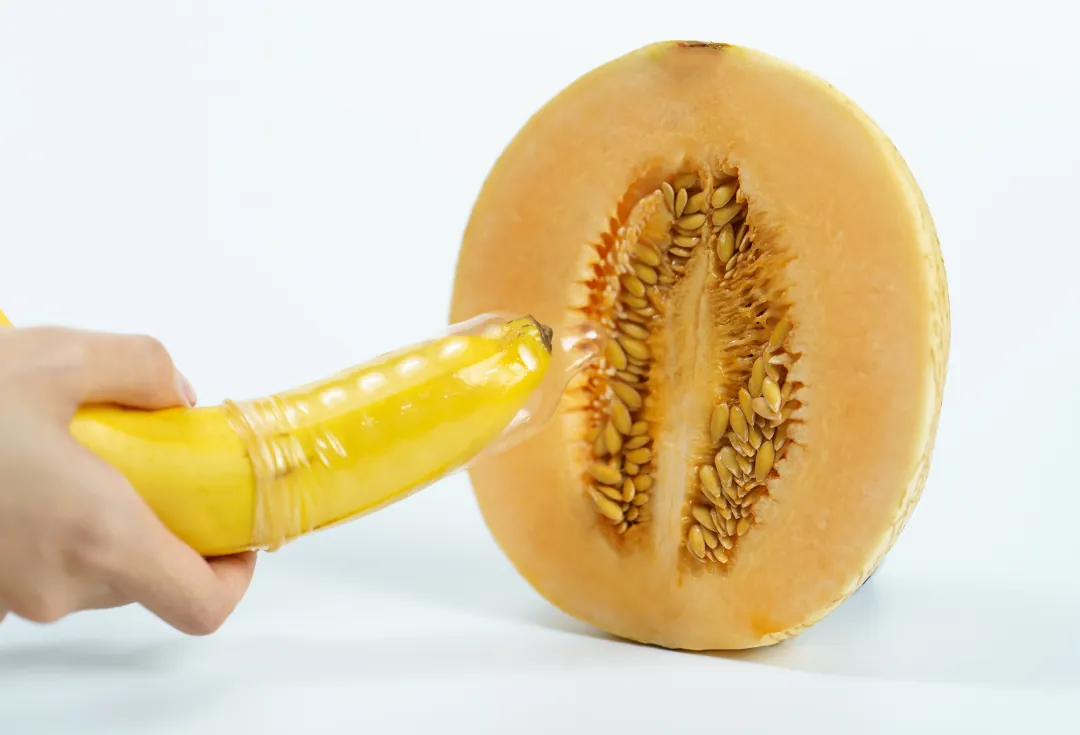
Painful Intercourse (Dyspareunia)
Vaginismus