Constipation
Toilet Training

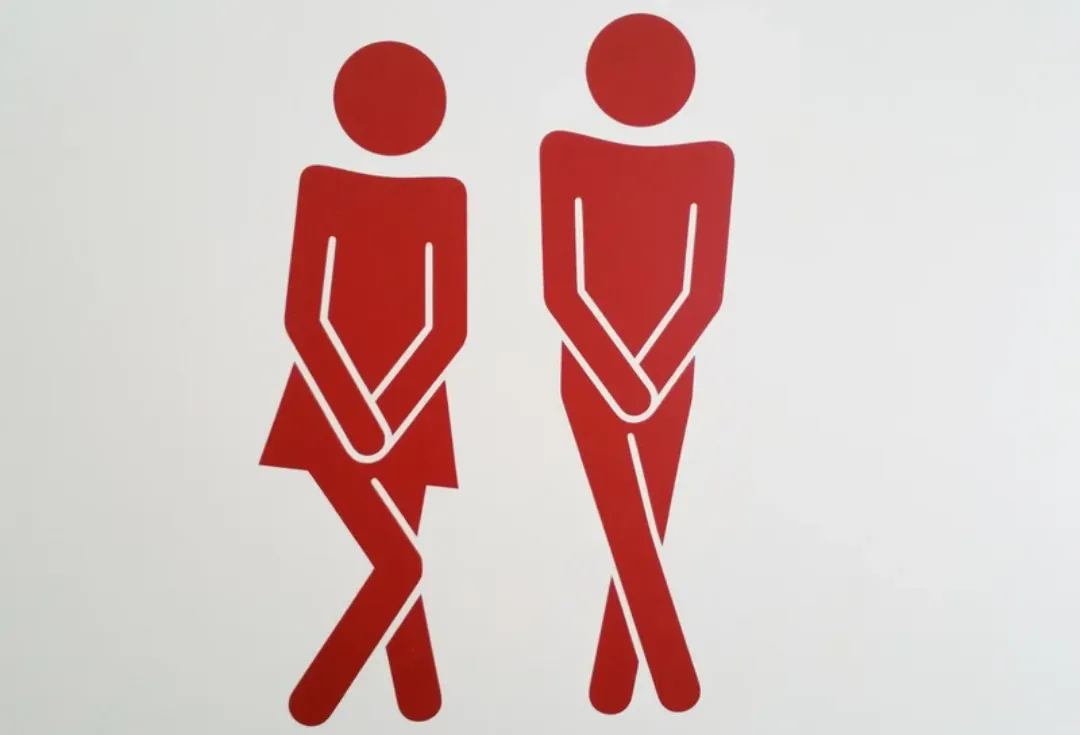
Holding in pee and poop is very common in children. Crossing their legs, squatting, standing on tiptoe, or constantly putting off going to the bathroom even though they need to go are all signs of withholding behavior.
This does not always mean the child is being stubborn. Children may hold in their pee and poop because they don't want to interrupt their play, they are afraid of the toilet, they have had pain before, or they are constipated.
Children most often hold in their pee and poop because they don't want to stop playing, they avoid using the school bathroom, they have pain on the toilet, or they are constipated. If withholding continues for a long time, it can lead to constipation, urinary incontinence, fecal incontinence and recurring urinary problems.
A child may put off going to the bathroom while playing or watching TV. When this happens often, it can gradually become a habit.
A dirty bathroom, a door that doesn't lock, a lack of privacy, or fear of drawing attention from classmates can all lead a child to hold their urine at school.
A child who has had a urinary tract infection or a burning sensation while peeing may avoid the toilet, expecting it to hurt again.
Some children notice the signals from their bladder late. When they wait too long to go, sudden urgency and wetting accidents can happen.
A child who has passed hard, large stools because of constipation may hold in their poop to avoid feeling that pain again. But the longer poop is held, the longer it stays in the bowel, the harder it gets, and the more difficult it is to pass.
This creates a cycle:
Painful bowel movement → holding in poop → stool hardens → even more painful bowel movement
Some children are afraid of falling into the toilet, the sound of flushing, or being alone in the bathroom. Not feeling secure when their feet don't touch the floor can also make it harder to poop.
Starting toilet training too early, or forcing, scolding or punishing the child, can make stool withholding worse.
Starting school, moving, traveling, the birth of a sibling or other changes in the family can affect some children's toilet routine.
Children who hold in their pee or poop may show behaviors like these:
Parents sometimes interpret these movements as the child trying to poop. In fact, the child is usually trying not to push the poop out but to keep it in.
Occasionally putting off the bathroom may not cause a serious problem. But if withholding becomes frequent and continues for a long time, it can affect bladder and bowel function.
The child may develop problems such as:
Constipation and urinary problems can also affect each other. Stool building up in the bowel can press on the bladder and worsen urgency and wetting.
Blaming or punishing the child, or forcing them to sit on the toilet, can make the problem worse. It is important to understand that the child is not doing this on purpose.
These steps at home can help:
However, with long-lasting constipation, simply increasing water and fiber may not be enough. The child should be evaluated by a pediatrician.
Some children tighten their pelvic floor muscles on the toilet instead of relaxing them. When this happens, the child may struggle to pee or poop, and the bladder and bowel may not empty completely.
In pelvic floor physiotherapy, depending on the child's age and needs, the following may be assessed:
as part of the evaluation.
When needed, play-based exercises, diaphragmatic breathing, relaxation work, abdominal massage, standard urotherapy and biofeedback may be used.
An evaluation is recommended if any of the following apply:
If there is severe abdominal pain, vomiting, fever, or blood in the urine or stool, seek medical care without delay.
Children may sometimes hold in their pee so they don't have to stop playing. But if this happens often or leads to wetting or infections, it should not be considered normal and should be evaluated.
Yes. The longer poop stays in the bowel, the more water it loses and the harder it gets. This makes bowel movements painful and can make withholding even worse.
When a hard, large stool builds up in the bowel, softer stool can leak around this mass. The child may not always notice it. This can be considered fecal incontinence (soiling).
Yes. Stool building up in the bowel can press on the bladder and disrupt how it works. That is why children with constipation may have daytime wetting and urgency.
No. Withholding is usually linked to fear, pain, habit or muscles that are not working properly. Punishment and pressure increase the child's anxiety and can make the problem worse.
Holding in pee and poop in children should not be seen as mere stubbornness. Play habits, constipation, fear of the toilet, pain and problems with pelvic floor muscle coordination can all contribute to this behavior.
If withholding lasts a long time or comes with urinary or fecal incontinence, it is important to evaluate the child's bladder and bowel function together. The right approach early on can help keep the problem from turning into a lasting habit.

Author: Tuğçe Atalay, Specialist Physiotherapist
Last updated:
The information on this page is for general information only and does not replace diagnosis or treatment. Please consult your doctor and physiotherapist about your symptoms.