Diastasis Recti
Postpartum Recovery

“I can’t go to the bathroom since giving birth” is one of the most common problems new mothers face. Constipation after birth, fear of sitting on the toilet, straining, or a feeling of incomplete emptying are very common. Many mothers wait it out, assuming it is temporary. But sometimes, without the right support, the problem can drag on and seriously affect quality of life.
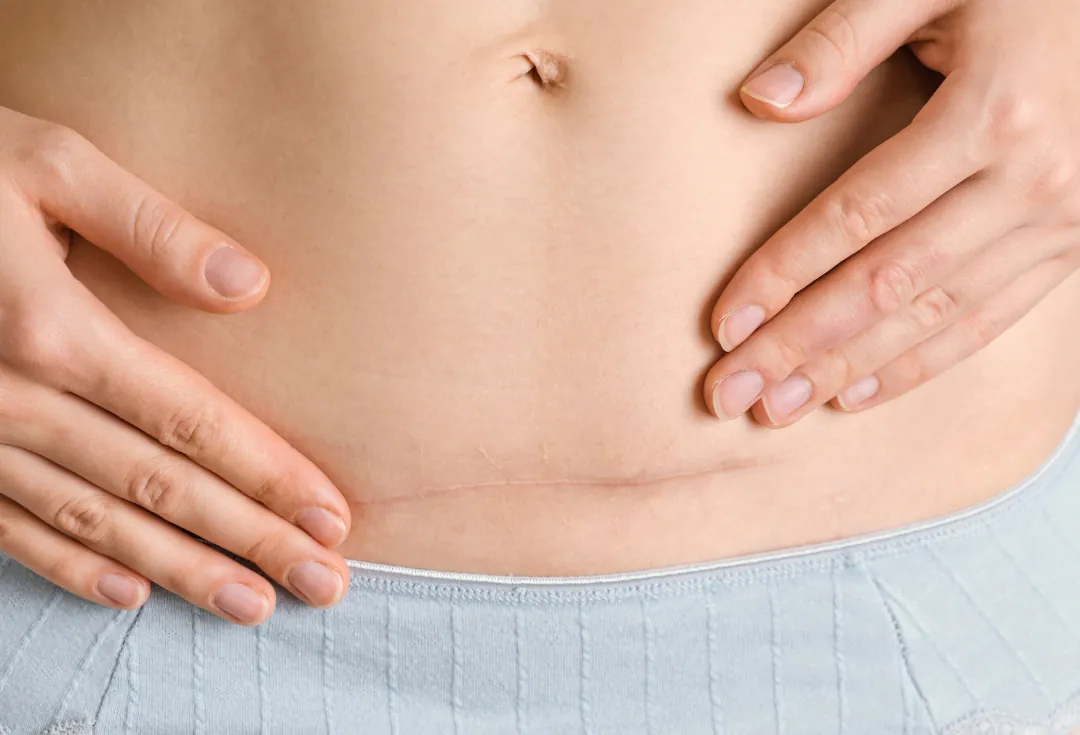
One of the most common causes of postpartum constipation is strain on the pelvic floor muscles during birth. In a vaginal birth, the pelvic floor muscles are stretched, and sometimes there are small tears or stitches. This leads to fear of pain when sitting on the toilet, and you may involuntarily avoid bearing down. After a C-section (cesarean section), the abdominal incision, limited movement and pain can also make the toilet position difficult. In addition, hormonal changes after birth, fluid loss, iron supplements, painkillers and not being able to move around enough all slow down bowel movements.
Another important cause is a change in toilet habits. With caring for a baby, putting off going to the toilet, not drinking enough water and irregular eating can make constipation worse. After birth, thoughts like “will my stitches open if I push?” or “will it hurt a lot?” can also cause you to unconsciously keep your pelvic floor muscles tense all the time. This makes it harder for stool to pass and makes going to the toilet more stressful.
There are things you can do about not being able to go to the toilet after birth, and relief is often possible without medication. First, drinking enough water, eating a diet with balanced fiber and taking short walks during the day support bowel movements. The right position on the toilet is also very effective: placing a small step under your feet to keep your knees slightly higher than your hips helps you empty more easily without straining. It is also important not to put off going when you feel the urge and not to sit straining on the toilet for long periods.
Pelvic floor rehabilitation offers important support for postpartum constipation and difficulty going to the toilet. That is because the problem is not always weak muscles. Very often after birth, the pelvic floor muscles involuntarily stay overly tense and “forget” how to relax. With pelvic floor physiotherapy, you learn to relax the muscles at the right time, they learn to work in harmony with your breathing, and the habit of unnecessary straining on the toilet is reduced. Posture and abdominal–pelvic floor coordination are also addressed, so going to the toilet can become easier and pain-free.
If you still can’t go to the toilet weeks after giving birth, or if it comes with severe pain when passing stool, bleeding, constant bloating or soiling of your underwear, you should definitely be assessed. Sometimes it is not limited to simple constipation; hemorrhoids, an anal fissure (a tear in the anus) or poor coordination of the pelvic floor muscles may also be involved. Getting support early keeps the problem from becoming chronic and makes postpartum recovery much more comfortable.
If you are struggling to go to the toilet after giving birth, it may help to know that this is a common experience for many women. You are not alone, and this is not hopeless. With an individual assessment and a plan that covers proper breathing, toilet habits and pelvic floor rehabilitation, postpartum bowel problems can largely be brought under control.

Author: Tuğçe Atalay, Specialist Physiotherapist
Last updated:
The information on this page is for general information only and does not replace diagnosis or treatment. Please consult your doctor and physiotherapist about your symptoms.