Pelvic Floor 101

Are You Doing Kegel Exercises Correctly?
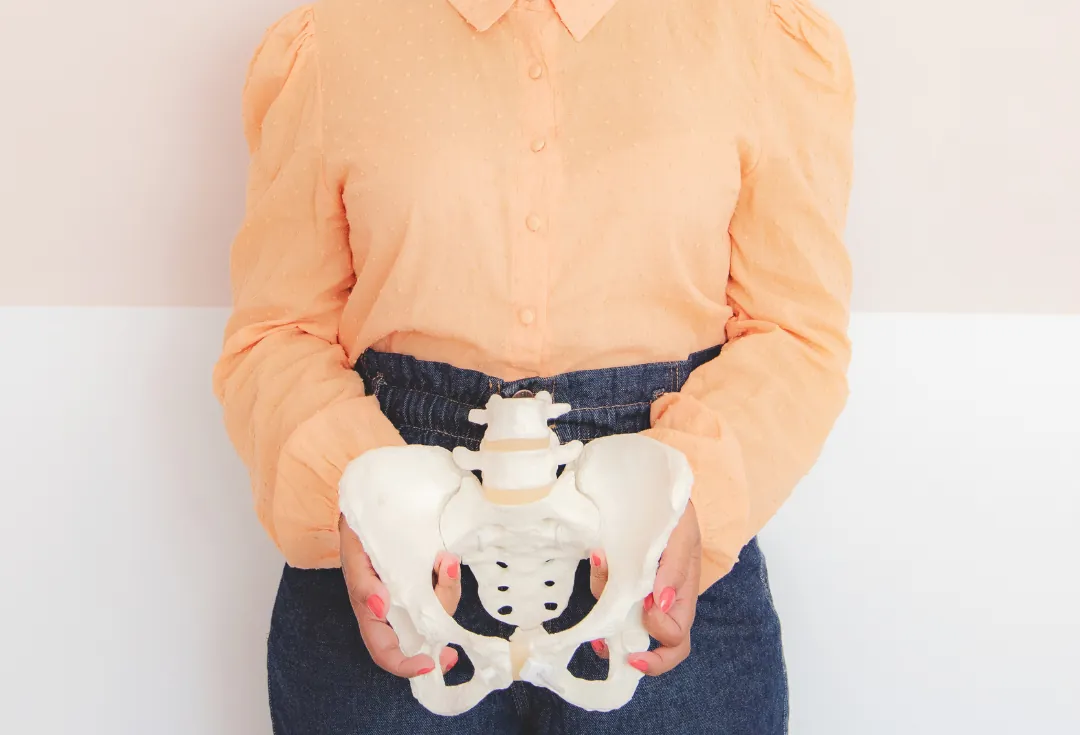
Strengthening your pelvic floor muscles can help with many issues, from urinary incontinence to improving sexual function. However, research shows that many people do Kegel exercises incorrectly.
So are you really doing your Kegel exercises the right way?
What Does the Research Say?
- One study found that 50% of women performed Kegel exercises using the wrong muscles [(Bump et al., 1991)].
- A similar study in men observed that they squeezed their abdominal or buttock muscles instead of the pelvic floor muscles.
- Kegel exercises done with the correct technique have been shown to reduce urinary incontinence symptoms by up to 70% within 3 months.
Signs You're Doing Kegels Wrong
Ask yourself these questions:
- Can you keep breathing freely while you contract?
- Can you keep your belly, buttocks and legs relaxed?
- Can you fully relax the muscles after squeezing them?
- Do you feel a lifting sensation upward and inward in the vaginal area?
If you answer "no" to even one of these questions, you may be doing the exercise incompletely or incorrectly.
How Do You Do Kegel Exercises Correctly?
- Get into a comfortable position – You can lie on your back.
- Find the right muscle – Imagine holding in a bowel movement and then letting go.
- Muscle–Breath Coordination – Don't hold your breath while you squeeze. Relax as you breathe in, contract as you breathe out.
- Relaxation is part of the exercise too – The key is not to keep the muscles tight all the time but to be able to release them in a controlled way.
Tip: You can improve muscle awareness with a mirror, a device or a physiotherapist's support
For some people, sensing these muscles is difficult. In that case:
- Visual checking with a mirror,
- Biofeedback devices,
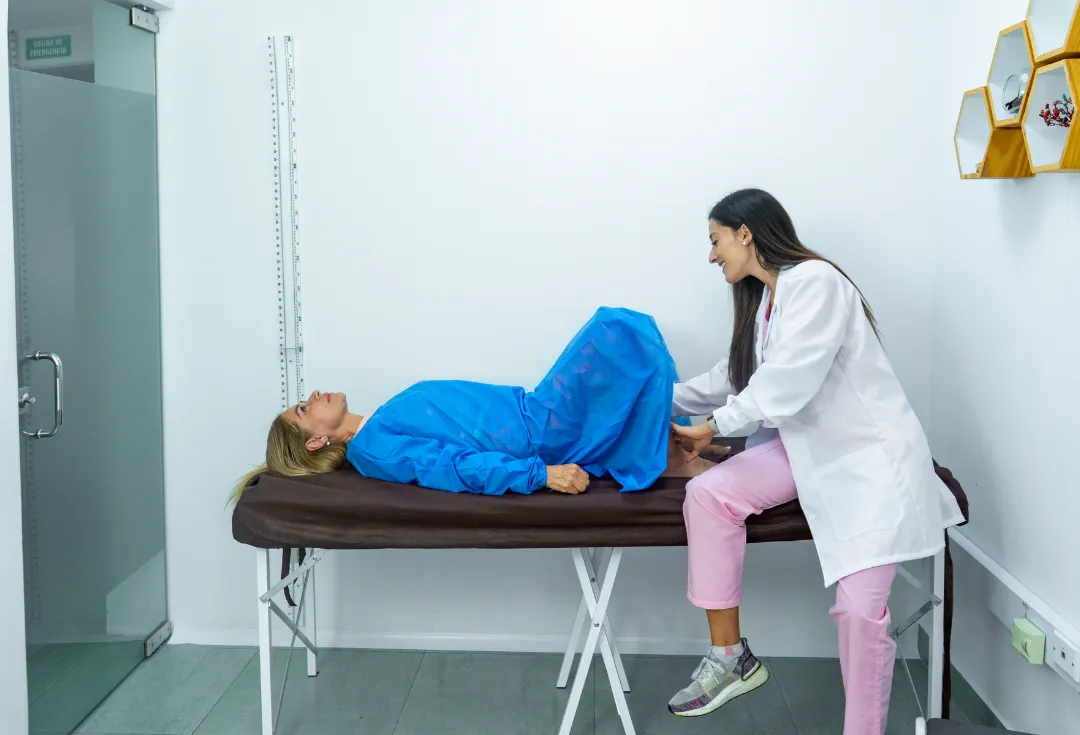
- Working with a pelvic floor physiotherapist makes a real difference.
Not Just Muscles: Mind-Body Awareness Is Essential
Kegel exercises are not just a physical activity; they are also an inward-focused practice that increases body awareness. Stress, fear and tension can prevent the pelvic muscles from relaxing.
In Summary:
| Kegel Exercises | Correct Performance Rate | Risk of Incorrect Technique | Time to Effect |
| Women | 49% | Using abdominal/buttock muscles | 6-12 weeks |
| Men | 35% | Insufficient muscle activation | 8-16 weeks |
To Get the Most Out of Kegel Exercises:
- First, find the right muscle
- Work with your breath
- When in doubt, get professional support

Author: Tuğçe Atalay, Specialist Physiotherapist
Last updated:
The information on this page is for general information only and does not replace diagnosis or treatment. Please consult your doctor and physiotherapist about your symptoms.