
Overactive Bladder
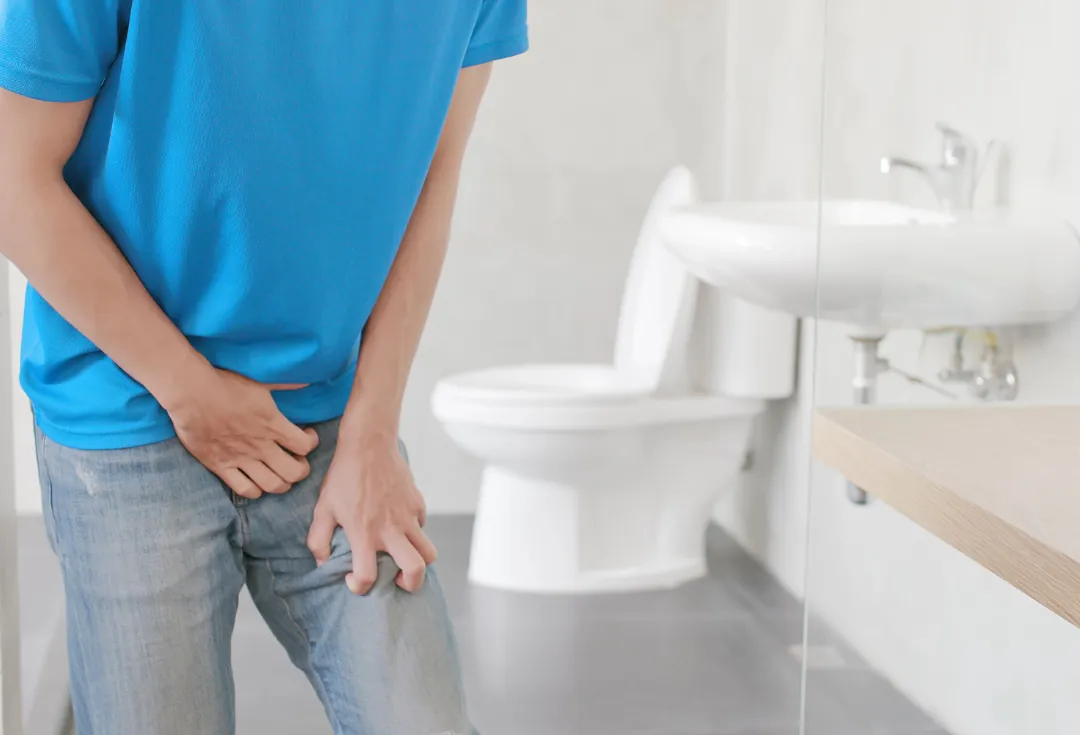
Why Do I Keep Needing to Pee? 12 Possible Causes of Frequent Urination and How to Treat It
What Causes Constant Urination?
Quick Summary
- Frequent urination during the day can have many different causes.
- Not every case of frequent urination means a urinary tract infection.
- Overactive bladder, pelvic floor muscle dysfunction, diabetes and lifestyle habits are among the most common causes.
- Treatment should be planned according to the underlying cause.
- For suitable individuals, pelvic floor physiotherapy and bladder training can be an important part of treatment.
Constantly feeling the need to go to the bathroom during the day can affect many areas of life, from work to your social life. Some people say their quality of life drops noticeably because they have to run to the toilet again and again during meetings, while traveling or during the night.
Many people assume this is caused only by a urinary tract infection or a prostate problem, but in reality frequent urination can have many different causes. How the bladder works, how the pelvic floor muscles function, your drinking habits, hormonal changes and certain systemic diseases can all lead to this complaint.
To get the right treatment, the first step is to identify what is causing the frequent urination.
How Many Times a Day Is It Normal to Urinate?
A healthy adult usually urinates 4–8 times in 24 hours. However, this number can vary with age, daily fluid intake, the weather, medications and individual factors.
An assessment is recommended if you notice:
- Urinating very often during the day
- Passing only small amounts of urine each time
- A sudden, strong urge to urinate
- Not making it to the toilet in time
- Getting up to urinate two or more times at night
- Your daily life being affected
The number of bathroom trips alone is not enough for a diagnosis; how long the complaint has lasted, any accompanying symptoms and your lifestyle should all be considered together.
12 Possible Causes of Constant Urination
1. Overactive Bladder
Overactive bladder is a condition characterized by a sudden urge to urinate, frequent urination and sometimes urinary leakage. It can occur without a urinary tract infection and can significantly affect daily life.
2. Urinary Tract Infection
With an infection, frequent urination may be accompanied by burning, pain, foul-smelling urine or fever. If you have these symptoms, do not delay seeing a doctor.
3. Drinking Too Much Fluid or Caffeine
Tea, coffee, energy drinks and some carbonated drinks can stimulate the bladder and increase how often you need to urinate.
4. Pelvic Floor Muscle Dysfunction
The pelvic floor muscles do not just help you hold urine; they also support normal bladder function. Muscles that are overactive or have trouble relaxing can contribute to urgency and frequent urination in some people.
5. Diabetes
When blood sugar is high, the body tries to get rid of the excess sugar through the urine. This can increase both the amount of urine and how often you urinate.
6. Pregnancy
During pregnancy, hormonal changes and the pressure of the growing uterus on the bladder can lead to more frequent urination.
7. Menopause
Changes in estrogen levels can affect the bladder and pelvic floor tissues. Some women develop urgency and urinary incontinence.
8. Benign Prostatic Hyperplasia (Enlarged Prostate)
In men, an enlarged prostate gland can make urine flow more difficult and cause frequent urination.
9. Medications
Diuretics (water pills) in particular can increase how often you need to urinate.
10. Bladder Stones or Other Bladder Conditions
Some conditions that irritate the bladder can show up as frequent urination.
11. Stress and Anxiety
In some people, intense stress can make the bladder more sensitive and increase the feeling of urgency.
12. Behavioral Habits
Going to the toilet often "just in case" can, over time, train the bladder to signal that it needs emptying even when it holds smaller volumes. In suitable individuals, this can be corrected with bladder training.
Can the Pelvic Floor Muscles Cause Constant Urination?
Yes. The pelvic floor muscles are among the key muscle groups that work together with the bladder. If their coordination is disrupted or they stay constantly tense, the feeling of urgency can increase in some people.
That is why a pelvic floor assessment can be helpful, especially for people in whom no infection or other clear cause has been found.
What Does the Science Say?
International guidelines recommend that the assessment of lower urinary tract symptoms should consider not only the bladder but also the pelvic floor muscles, fluid intake habits and behavioral factors. For suitable patients, bladder training and pelvic floor muscle rehabilitation are among the first-line treatment options.
How Is Constant Urination Treated?
Treatment depends on the underlying cause. After an assessment, the following approaches may be used:
- Bladder training
- Pelvic floor physiotherapy
- Pelvic floor muscle training or relaxation work
- Biofeedback
- Adjustments to fluid intake and lifestyle
- Medication prescribed by a physician
Because every person's complaint is different, treatment should also be tailored to the individual.
A Note from the Clinic
When people come to our clinic with frequent urination, we do not look only at how often they go to the toilet. We examine the bladder diary, pelvic floor muscle function, breathing pattern, fluid intake and daily habits together. Because the same symptom can have different causes in different people, treatment is planned individually.
Conclusion
Constant urination is not a disease in itself; it can be a symptom of various underlying conditions. That is why, when the complaint has been going on for a long time, it is important to identify the cause correctly rather than simply suppressing the symptoms. For suitable individuals, pelvic floor physiotherapy, bladder training and lifestyle changes can form an important part of the treatment plan.
Scientific Sources
- European Association of Urology (EAU). Guidelines on Non-neurogenic Female Lower Urinary Tract Symptoms.
- European Association of Urology (EAU). Guidelines on Male Lower Urinary Tract Symptoms.
- American Urological Association (AUA). Guideline on Idiopathic Overactive Bladder.
- International Continence Society (ICS). Standardisation of Terminology of Lower Urinary Tract Function.
- National Institute for Health and Care Excellence (NICE). Urinary Incontinence and Pelvic Floor Dysfunction Guidelines.

Author: Tuğçe Atalay, Specialist Physiotherapist
Last updated:
The information on this page is for general information only and does not replace diagnosis or treatment. Please consult your doctor and physiotherapist about your symptoms.

