Bedwetting
How Is Bedwetting in Children Treated Without Medication?
Bedwetting (nocturnal enuresis) in children is something many families experience but hesitate to talk about. “Will it go away?”, “Is it psychological?” and “Is medication necessary?” are among the questions parents ask most often. Yet current scientific evidence shows that in most children, nighttime wetting can be addressed safely and effectively without medication.
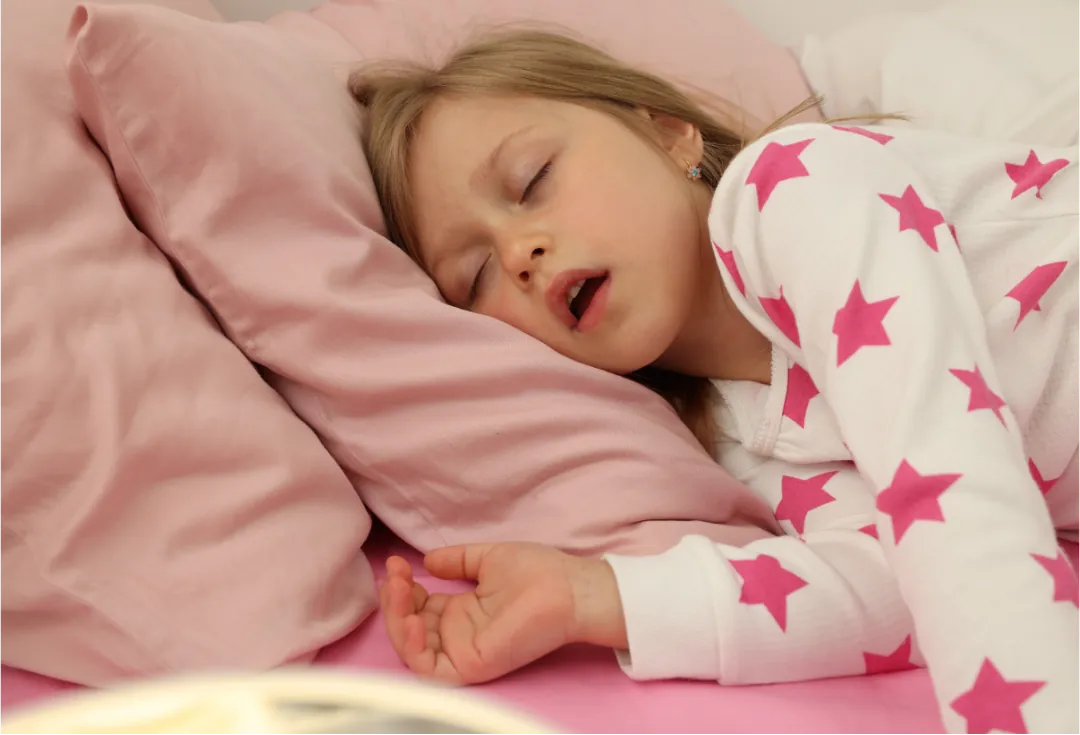
Bedwetting is when a child involuntarily passes urine during sleep at night. It is not something the child does on purpose, and it has nothing to do with laziness or stubbornness. Bedwetting in children is defined as a condition in which many developmental and physiological factors play a role together.
Although many families believe bedwetting is purely psychological, the reality is much more complex. Nighttime wetting is often linked to physical factors such as the bladder not sensing fullness well enough at night, the pelvic floor muscles not working properly through the night, deep sleep, constipation and a full bowel. In children with constipation especially, a full bowel can press on the bladder and make bedwetting worse.
The goal of medication-free bedwetting treatment is to help the child get to know their body again and to support the bladder, pelvic floor and bowel in working together more healthily. Instead of pushing or pressuring the child, this approach puts body awareness and supportive habits first.
Pelvic floor rehabilitation is a scientific method increasingly used to treat bedwetting in children. The pelvic floor muscles play an active role in holding and releasing urine. In some children, these muscles are not well sensed or cannot activate at the right time during the night. Pelvic floor rehabilitation teaches the child to recognize and use these muscles through age-appropriate, play-based methods. This process is definitely not classic “making the child do exercises”; it aims to let the child explore their body safely.
Breathing work also plays an important role in medication-free treatment. The diaphragm and pelvic floor muscles work together. Poor breathing habits can make bladder control harder. Child-friendly breathing awareness exercises both relax the body and support the mechanisms of nighttime bladder control.
Regulating daily toilet habits is another important part of medication-free bedwetting treatment. Bedwetting is more common in children who put off going to the bathroom during the day, hold in their poop or do not drink enough fluids. That is why treatment focuses not only on the night but also on daytime habits.
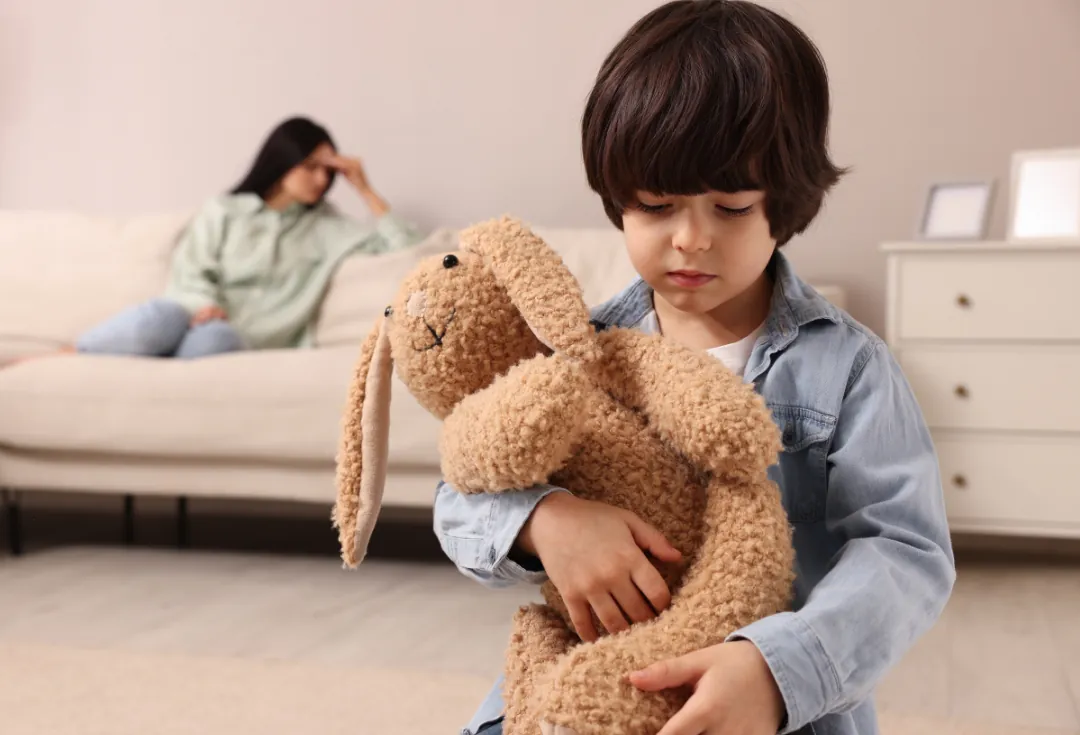
One of the most important factors is the family’s attitude. Punishing, shaming, comparing the child with siblings or constantly reminding them does not reduce bedwetting. On the contrary, it can increase the child’s anxiety. The child feeling safe is one of the most basic building blocks of treatment. Scientific studies show that a supportive, understanding approach increases treatment success.
Medication may be necessary in some specific cases, but it is not the first choice for most children. With the right assessment and an individually planned, medication-free approach, many children can gain nighttime bladder control over time. This process takes patience, and every child progresses at a different pace.
In conclusion, bedwetting in children is common but not unsolvable. Medication-free bedwetting treatment is a holistic approach that includes pelvic floor rehabilitation, body awareness, breathing exercises and adjusting daily habits. If your child wets the bed at night, it is important to see a physiotherapist experienced in pediatric pelvic floor care to properly assess the cause and map out a plan that suits your child.

Author: Tuğçe Atalay, Specialist Physiotherapist
Last updated:
The information on this page is for general information only and does not replace diagnosis or treatment. Please consult your doctor and physiotherapist about your symptoms.