What Causes Hemorrhoids, and How Do They Go Away?
What Are Hemorrhoids?
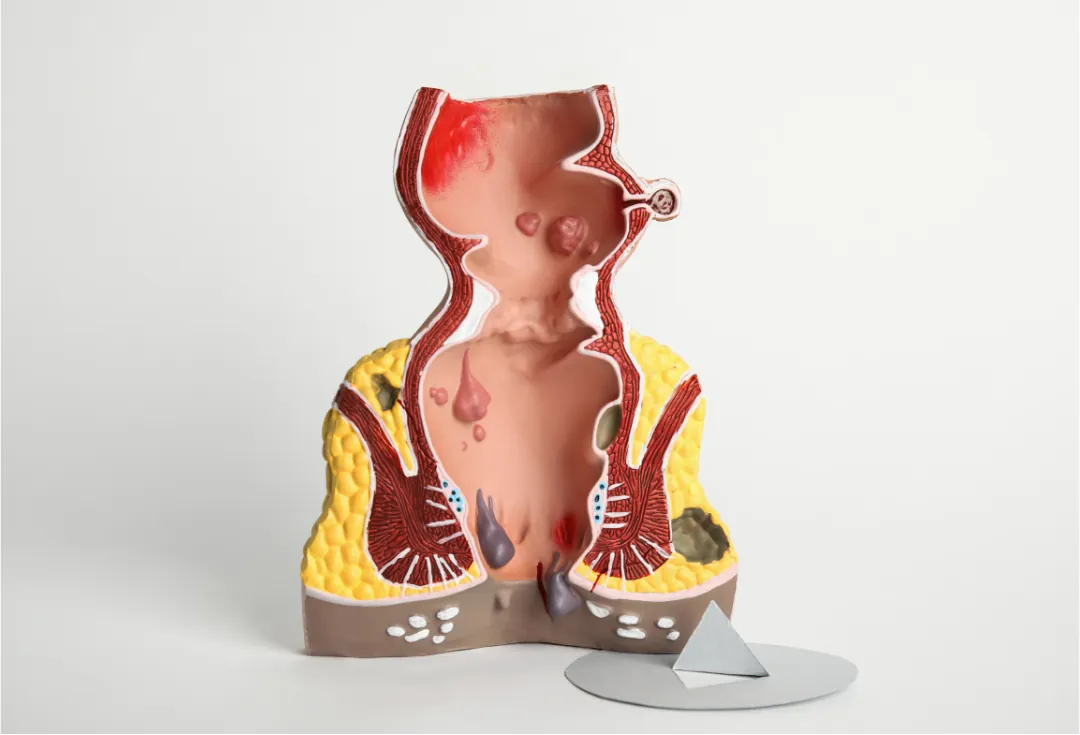
Hemorrhoids develop when the blood vessels around the anus become swollen.
There are two types:
- External hemorrhoids: Can cause visible swelling, itching, and pain around the anus.
- Internal hemorrhoids: Usually painless, but can cause bright red blood during bowel movements. If they prolapse, they can also cause a feeling of fullness around the anus, discharge, or stool leakage.
What Causes Hemorrhoids?
Although the cause of hemorrhoids is not known with 100% certainty, the following factors are generally accepted to play a role:
-
Chronic straining (sitting on the toilet for a long time, poor bowel habits)
-
Constipation or diarrhea
-
Pregnancy and childbirth
-
A low-fiber diet
-
Sitting for long periods (especially on the toilet)
-
Excess weight, heavy lifting
-
Weakening of the tissues with age
But there is one more cause that is little known and often overlooked:
Pelvic Floor Muscles That Don't Work Properly
What Is the Link Between the Pelvic Floor and Hemorrhoids?
The pelvic floor muscles are the muscle groups that help us hold and release urine and stool and support our organs.
When these muscles can't relax properly, passing stool becomes harder. You strain more on the toilet. What happens then?
- Pressure increases around the anus
- The blood vessels are strained and swell
- Hemorrhoids develop or get worse
We call this dysfunctional defecation. And most of the time, people aren't even aware of it.
They think they're just constipated, but in fact they can't relax their muscles.
How Does Pelvic Floor Physiotherapy Help With Hemorrhoids?
Many people think only of creams or surgery to treat hemorrhoids. However:
- If the pelvic floor muscles don't learn to relax, hemorrhoids can come back.
- Results won't last until bowel emptying is back on track.
With pelvic floor physiotherapy:
- We measure whether the muscles are overly tense at rest
- You learn the right breathing, the right position, the right muscle use, and the right way to bear down on the toilet
- If needed, manual therapy, relaxation exercises, breathing work, and biofeedback are used
This helps prevent hemorrhoids from coming back and also improves the quality of your bowel movements.
What Can You Do at Home?
- Take warm sitz baths (2-3 times a day, 10 min)
- Eat a high-fiber diet: fruit, vegetables, whole grains
- If needed, use a natural fiber supplement such as psyllium
- Drink at least 1.5-2 liters of water a day
- Learn to pass stool without straining (no breath-holding!)
- Don't sit on the toilet for more than 3 minutes
- Place a stool under your feet during bowel movements to get into a squatting position
When Should You See a Specialist?
- Bleeding that lasts longer than 3 weeks
- Difficulty passing stool
- Fecal incontinence
- Severe pain or swelling
If you have any of these, before assuming it's hemorrhoids, it's a good idea to see a proctologist and a pelvic floor physiotherapist.
Author: Tuğçe Atalay, Specialist Physiotherapist
Last updated:
The information on this page is for general information only and does not replace diagnosis or treatment. Please consult your doctor and physiotherapist about your symptoms.