Pregnancy and Childbirth
Is It Safe to Exercise During Pregnancy? Sports and Workouts
Can you exercise during pregnancy?
Can working out while pregnant harm the baby?
Does lifting weights increase the risk of miscarriage?
Seeing pregnant athletes on social media while hearing warnings like “don’t lift anything heavy” or “you need to rest” from people around you can be confusing. Scientific studies, however, say this: exercising during pregnancy is safe and beneficial for both mother and baby in most pregnancies.
What Are the Benefits of Exercise During Pregnancy?
Regular exercise during pregnancy:
- Lowers the risk of gestational diabetes
- Reduces the risk of gestational hypertension
- Eases low back, back and musculoskeletal pain
- Improves mood and reduces depression during pregnancy
- Makes preparing for birth easier
- Speeds up postpartum recovery
Is Lifting Weights Safe During Pregnancy?
There is a common belief: “You shouldn’t lift weights while pregnant.”
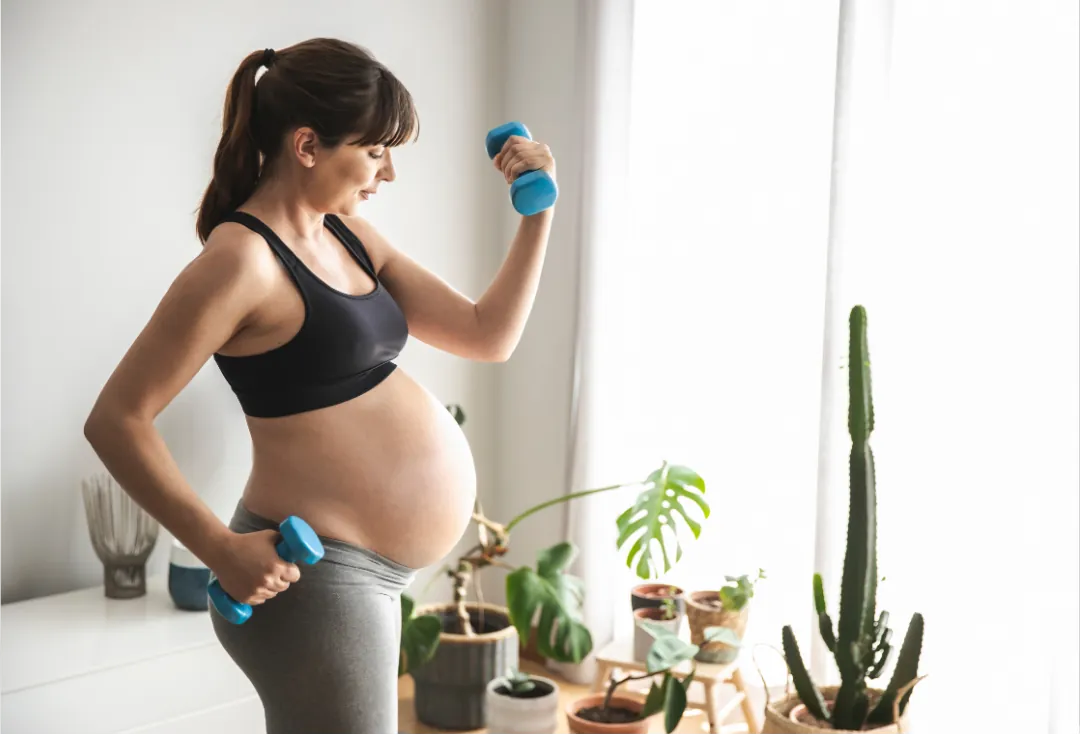
Yet scientific studies show that resistance exercise planned to suit the individual is safe during pregnancy.
Benefits of strength training:
- Maintains muscle strength
- Makes everyday activities easier
- Gives better control of pushing and relaxing during birth
- Reduces low back, neck and back pain after birth
- Supports healthy pelvic floor function
What matters here:
- Choosing a weight that suits you
- Not holding your breath
- Controlling intra-abdominal pressure
- Protecting the pelvic floor
That is why strength exercises should always be planned individually by a pelvic floor physiotherapist.
Breathing, Intra-Abdominal Pressure and the Pelvic Floor During Pregnancy
Holding your breath during exercise increases intra-abdominal pressure. This:
- Puts extra load on the pelvic floor
- Can increase the risk of urinary incontinence
- Increases the likelihood of diastasis recti (separation of the abdominal muscles)
So when you exercise during pregnancy:
- Breathe out during the effort
- Don’t hold your breath
- Engage your diaphragm, abdominals and pelvic floor together
This coordination is also very important for pushing during birth.
Can You Do Core (Abdominal) Exercises During Pregnancy?
The belief that “working your abs causes diastasis recti” is not scientific.
Well-planned core exercises:
- Maintain abdominal muscle function
- Reduce low back pain
- Support posture
- Make postpartum recovery easier
What to avoid:
- Overly strenuous crunches and sit-ups
- Uncontrolled planks
- Strenuous moves done while holding your breath
What is recommended instead:
- Core activation coordinated with breathing
- Functional trunk stabilization exercises
- Exercises coordinated with the pelvic floor
Is High-Intensity Exercise OK During Pregnancy?
For moms-to-be who were already active before pregnancy, intense exercise with appropriate modifications is safe.
However, intensity should be reduced if:
- Your heart rate rises excessively
- You feel dizzy or have palpitations
- Groin or low back pain increases.
The “talk test”:
- If you can talk while exercising: moderate intensity
- If you struggle to talk while exercising: high intensity
How Long and How Often to Exercise During Pregnancy
General recommendations:
- At least 3–5 days a week
- 30–60 minutes
- Walking, swimming, prenatal Pilates, breathing exercises, strength training
The duration and type of exercise may change by trimester.
Every pregnancy is individual. A personal assessment is essential.
Activities to Avoid During Pregnancy
- Sports with a high risk of falling
- Contact sports
- Scuba diving
- Intense exercise in very hot environments
- Exercises done lying on your back for long periods (especially in the 2nd–3rd trimester)
When Should Exercise Always Be Supervised?
- High blood pressure
- Twin pregnancy
- History of preterm birth
- Bleeding
- Cervical insufficiency
- Placental problems
In these situations, the exercise program should always be planned jointly by an obstetrician-gynecologist + pelvic floor physiotherapist.
Why Is Pelvic Floor Physiotherapy So Important During Pregnancy?
The pelvic floor is the key muscle group for birth.
Pelvic floor rehabilitation during pregnancy:
- Lowers the risk of urinary incontinence
- Prepares you for birth
- Speeds up postpartum recovery
- Helps preserve sexual function
- Reduces low back and groin pain
- Improves diaphragm – core – pelvic floor coordination
Frequently Asked Questions
Does exercising during pregnancy increase the risk of miscarriage?
- No, no such risk has been shown in healthy pregnancies.
Can you do squats while pregnant?
- Yes, with proper technique and breathing.
Is Pilates safe during pregnancy?
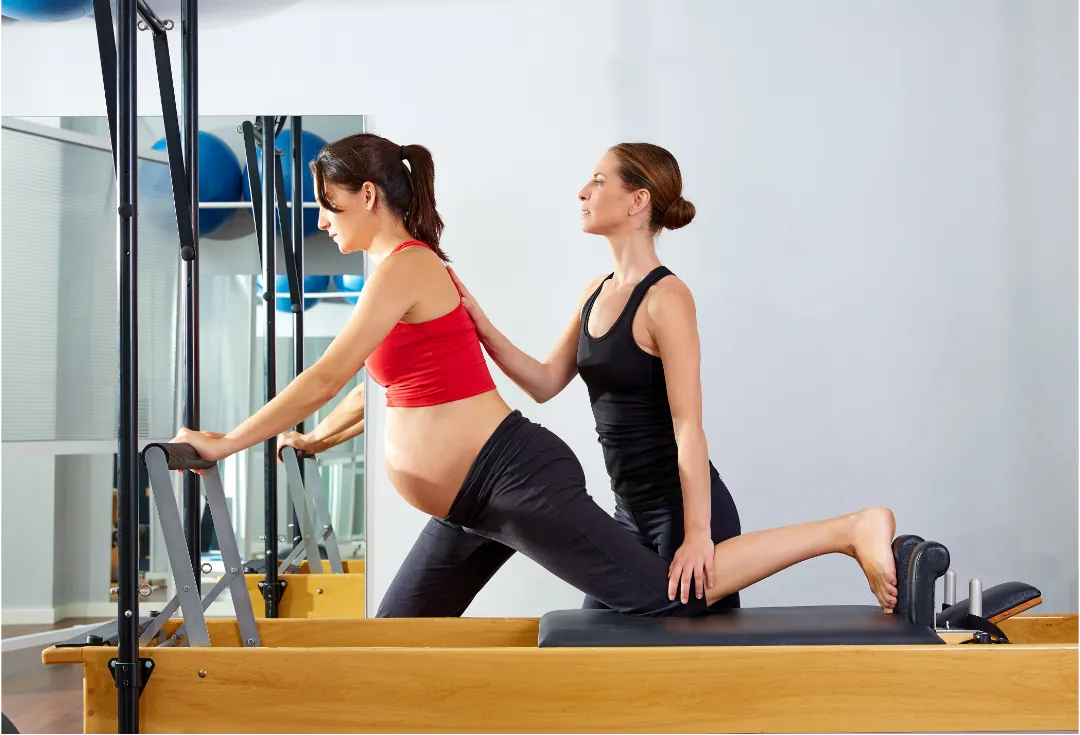
- Prenatal Pilates designed for pregnant women is safe.
Can lifting weights during pregnancy harm the baby?
- With an appropriate weight and proper technique, it does not cause harm.
Is walking enough during pregnancy?
- Walking is very beneficial, but adding strength and breathing exercises is recommended.
Can exercise during pregnancy cause preterm labor?
- Scientific evidence does not support this in healthy pregnancies.
Conclusion: Moving During Pregnancy Is Natural
Exercising during pregnancy is not “risky”; when done correctly, it is protective and strengthening.
A well-planned pregnancy exercise program:
- Prepares you for birth
- Protects the pelvic floor
- Speeds up postpartum recovery
- Builds the mom-to-be’s confidence in her body

Author: Tuğçe Atalay, Specialist Physiotherapist
Last updated:
The information on this page is for general information only and does not replace diagnosis or treatment. Please consult your doctor and physiotherapist about your symptoms.